Varicose Veins: Everyday Habits That Help Protect Leg Health
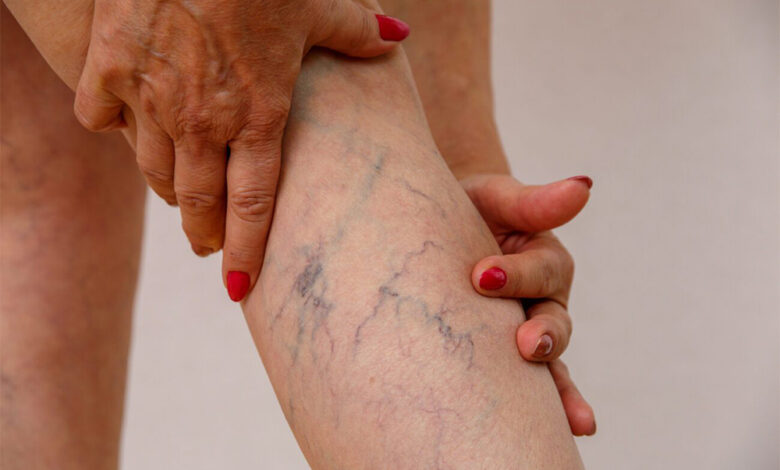
Varicose veins are a common vein condition characterised by enlarged, sometimes twisted veins that are visible beneath the skin. They may cause aching, heaviness, itching or swelling around the ankles. Although they are sometimes considered a cosmetic concern, they can also be a sign of chronic venous insufficiency.
While their development cannot always be prevented, particularly when genetic or hormonal factors are involved, certain everyday habits may help support blood circulation, reduce discomfort and slow the progression of symptoms.
Why Do Varicose Veins Develop?
Blood must travel from the veins in the legs back towards the heart, working against gravity. To support this process, veins contain small valves that prevent blood from flowing backwards. The calf muscles also play an important role by acting as a pump when the legs move.
When vein walls lose some of their elasticity or the valves become less effective, blood can accumulate in the veins. Pressure then increases, causing the veins to enlarge gradually and become varicose.
Several factors may contribute to this process. Age, family history, pregnancy, hormonal changes and excess body weight are among the main risk factors. People who spend long periods sitting or standing without moving may also be more susceptible to venous circulation problems.
1. Stay Active to Support Blood Flow
Physical activity is one of the most useful ways to support circulation in the legs. Walking activates the calf muscles, which help push blood back towards the heart.
Intense exercise is not necessary to obtain benefits. Regular walking, cycling, swimming and gentle exercises suited to individual abilities may help reduce the feeling of heaviness in the legs.
People who work sitting or standing for several hours should also change position regularly, take short walks, and move their ankles. These simple actions help reduce prolonged periods of inactivity.
2. Avoid Staying in the Same Position for Too Long
A sedentary lifestyle can make it more difficult for blood to return to the heart, particularly when the legs remain still for extended periods.
At work, during journeys or at home, taking regular breaks to walk for a few minutes can be helpful. Whenever possible, it is also advisable to avoid keeping the legs crossed for long periods.
While sitting, extending the legs occasionally and moving the ankles up and down can help maintain circulation.
3. Elevate Your Legs to Relieve Heaviness
Raising the legs while resting may help venous blood return towards the heart and reduce ankle swelling, particularly after a day spent standing.
Placing the legs on a cushion or another comfortable support may be sufficient, provided the position does not cause pain. This habit can be particularly helpful for people who regularly experience heaviness or fatigue in their lower limbs.
However, leg elevation does not eliminate existing varicose veins and should not replace medical assessment when symptoms persist.
4. Maintain a Healthy Weight and Eat a Balanced Diet
Excess body weight can increase pressure on the veins and contribute to discomfort in the legs. Maintaining a weight appropriate for an individual’s circumstances may therefore help improve everyday comfort and reduce certain complications.
A varied diet containing vegetables, fruit, whole grains and good sources of protein supports overall health. Drinking enough water and avoiding excessive food intake can also contribute to a balanced lifestyle.
No single food can prevent or eliminate varicose veins. What matters most is the overall pattern of daily habits and the management of individual risk factors.
5. Limit Excessive Heat Exposure
Heat causes blood vessels to dilate and may worsen the sensation of heavy legs in people with venous problems.
Very hot baths, saunas, steam rooms and prolonged exposure to the sun may temporarily increase discomfort in some individuals. By contrast, a cool or lukewarm shower directed at the legs may provide relief.
The aim is not to avoid all exposure to heat, but to adapt daily habits when high temperatures aggravate symptoms.
6. Choose Comfortable Clothing and Footwear
Very tight clothing around the waist, groin or legs may cause discomfort and, in some circumstances, restrict venous circulation. Choosing clothing that does not excessively compress the lower limbs is therefore preferable.
Footwear should also allow the ankles to move naturally. Comfortable shoes make walking easier and help activate the calf muscles.
Compression stockings may be beneficial for some people, particularly those experiencing swelling or venous insufficiency. However, the appropriate level of compression should be tailored to the individual’s medical circumstances and ideally recommended by a healthcare professional.
When Should You Seek Medical Advice?
Visible veins do not always require urgent treatment. However, medical advice is recommended when varicose veins are accompanied by persistent pain, recurring swelling, skin changes or significant itching. A healthcare professional can assess venous circulation and determine whether treatment is necessary.
Sudden pain accompanied by swelling in one leg, redness or unusual warmth requires urgent medical assessment because it may indicate deep vein thrombosis. Sudden shortness of breath or chest pain occurring alongside these symptoms is a medical emergency.
Simple Habits for Healthier Legs
Preventing or managing varicose veins begins with consistent everyday habits: staying active, avoiding prolonged inactivity, maintaining an appropriate weight and limiting situations that worsen venous discomfort.
These measures cannot guarantee that varicose veins will never develop, particularly in people with a genetic or hormonal predisposition. Nevertheless, they may help improve leg comfort and limit the worsening of symptoms. When symptoms become persistent or concerning, medical advice can help determine the most appropriate course of action.