Washington and Tehran… Hezbollah, the Achilles’ heel of the truce
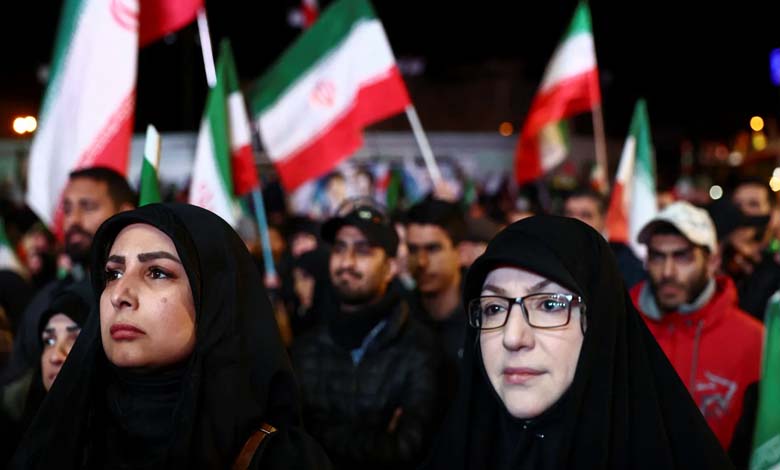
The truce between Washington and Tehran is wavering amid signs of potential U.S. military escalation, as disagreements persist over the terms of the agreement.
On its very first day, the truce appeared close to collapse on Wednesday evening when Iran threatened to resume hostilities following Israeli strikes against its ally in Lebanon, Hezbollah.
This comes as U.S. and Iranian delegations are scheduled to meet on Saturday in Islamabad to negotiate a broader settlement beyond the two-week truce agreed at the last moment before the expiry of the ultimatum set by President Donald Trump.
According to The New York Times, a White House official stated that Vice President J. D. Vance would lead a U.S. delegation to Pakistan for talks with Iranian officials.
He will be joined by Steve Witkoff and Jared Kushner in an effort to bridge deep-seated political differences within the two-week ceasefire framework.
Signs of division
Early cracks have appeared in the temporary ceasefire brokered by Pakistan.
Iranian Parliament Speaker Mohammad Bagher Ghalibaf claimed that three conditions of a ten-point Iranian proposal had been violated, including halting Israeli strikes against Hezbollah in Lebanon.
The Trump administration, however, maintains that this clause was never part of the agreement.
Vice President Vance commented that if Iran chooses to derail the talks over Lebanon, which the U.S. never considered part of the ceasefire, that would be its decision.
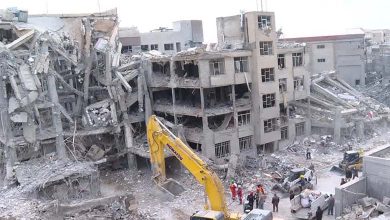
At least 182 people were killed and more than 890 wounded in Israeli strikes across Lebanon on Wednesday, according to provisional official figures.
Israel’s military described the operation as the largest coordinated strike against Hezbollah since the war began.
Hezbollah later announced retaliatory rocket fire toward Israel.
The “Achilles’ heel” of the truce
Observers liken Iran’s defense of Hezbollah to the “Achilles’ heel” — the fatal weak point capable of collapsing the entire truce.
Ambiguity
Robert Malley, former envoy of Joe Biden for Iran, said the ceasefire is riddled with ambiguity, warning that disputes over its interpretation will complicate negotiations.
Other indicators
A U.S. official noted that the Iranian ten-point plan published in the media differs from the terms accepted by the White House.
Iranian outlets claimed the plan included maintaining Iranian control over the Strait of Hormuz, lifting sanctions, and accepting uranium enrichment, while Trump insisted there would be no enrichment.
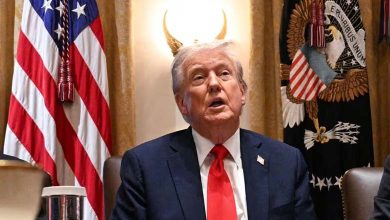
Posting on Truth Social, Trump warned that U.S. forces would remain deployed until full compliance, threatening renewed action otherwise.
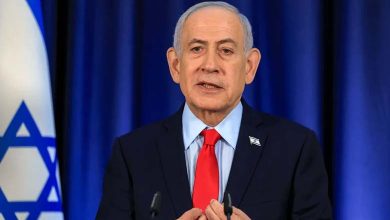
Israeli Prime Minister Benjamin Netanyahu stated that the truce does not mark the end of Israel’s campaign and that Israel is ready to resume fighting at any time.
Meanwhile, Washington is watching whether Iran will reopen the Strait of Hormuz as promised.
Despite tensions, experts note Iran’s heavy losses over five weeks of war may push it toward concessions.
Suzanne Maloney of the Brookings Institution said the ceasefire would be messy but that both sides appear willing to test diplomatic possibilities.