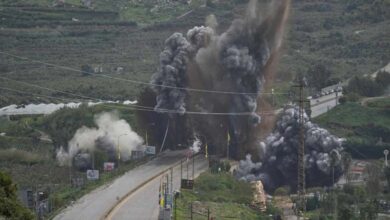
We will repeat the Gaza scenario: Israel plans a large-scale ground invasion in Lebanon
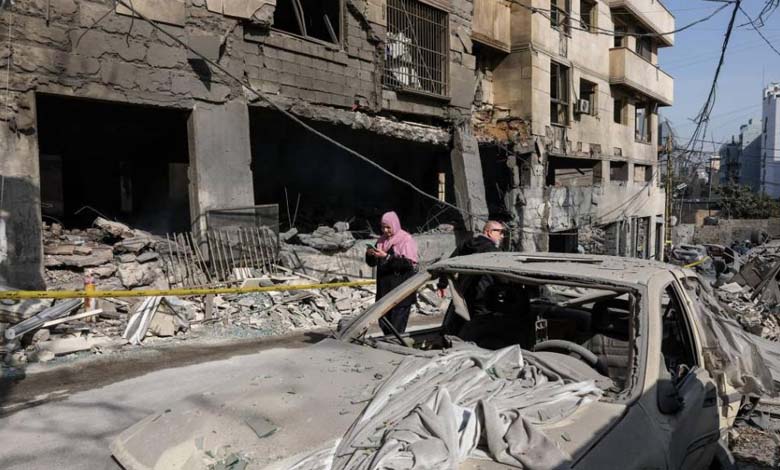
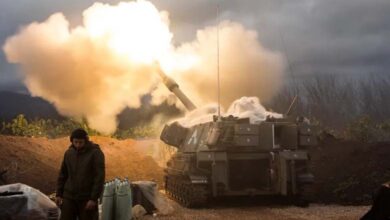
Israel is planning to significantly expand its ground operation in Lebanon, with the aim of taking control of the entire area south of the Litani River and dismantling Hezbollah’s military infrastructure.
This was confirmed by Israeli and U.S. officials to Axios, which noted that if these plans are carried out, it would represent “the largest Israeli ground invasion of its northern neighbor since 2006,” potentially placing Lebanon at the center of the escalating war involving Iran.
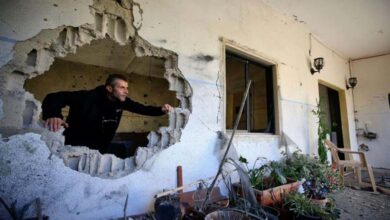
A senior Israeli official told Axios: “We will do what we did in Gaza,” referring to the destruction of buildings that Israel says Hezbollah uses to store weapons and conduct attacks.
-
Israel announces the killing of 20 militants in Gaza and the destruction of a rocket manufacturing site and a tunnel
-
Israel prepares to apply the Gaza model in Lebanon
A prolonged occupation?
The American outlet warned that “an operation of this scale could lead to a long-term Israeli occupation of southern Lebanon.”
The Lebanese government has expressed deep concern that the renewed war, triggered after Hezbollah decided to launch rockets at Israel, could devastate the country.
According to Axios, the Trump administration supports a major Israeli operation aimed at disarming Hezbollah, while also pressing to limit damage to the Lebanese state and seeking to launch direct talks between Israel and Lebanon regarding a post-war agreement.
-
Demographics in the West Bank and Gaza: UN Warning over Israeli Plans
-
Hamas’s weapons hinder the Gaza peace plan: sharp disagreements
Until a few days ago, Benjamin Netanyahu’s government was attempting to contain the escalation in Lebanon in order to remain focused on Iran, according to Israeli officials.
However, this calculation changed on Wednesday when Hezbollah launched more than 200 rockets in a coordinated attack with Iran, which also fired dozens of missiles.
A senior Israeli official stated: “Before this attack we were ready for a ceasefire in Lebanon, but after it there is no turning back from a massive ground operation.”
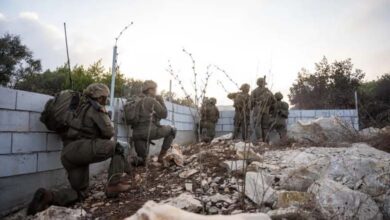
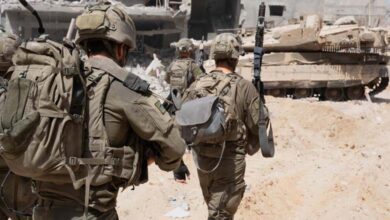
The Israeli military has deployed three armored and infantry divisions along the Lebanese border since the start of the war with Iran, with some ground forces carrying out limited raids over the past two weeks.
-
Israeli soldier killed in Gaza Strip by friendly fire
-
An American security company seeks a new role in Gaza despite criticism
Israeli reinforcements
On Friday, the Israeli military announced that it had sent reinforcements to the border and mobilized additional reserve forces in preparation for expanded ground operations.
An official said: “The objective is to control territory, push Hezbollah forces northward away from the border, and dismantle their military positions and weapons depots in villages.”
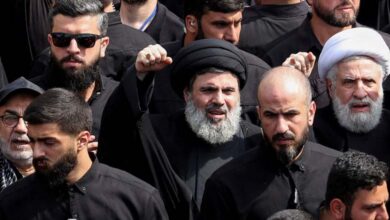
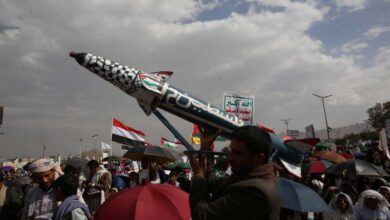
Hezbollah leader Naim Qassem said on Friday that the diplomatic path pursued by the Lebanese government had failed to secure sovereignty or protect Lebanese civilians, arguing that “there is no solution except resistance.” He added: “When the enemy threatens a ground invasion, we say this is not a threat but one of the traps it will fall into.”
-
Israel kills four Palestinian militants in Gaza
-
Gaza between shelling and rubble: death renewed beneath the debris
The Israeli military issued evacuation orders for areas in southern Lebanon and, for the first time, for villages and towns north of the Litani River, as well as Hezbollah’s stronghold in Beirut’s southern suburbs.
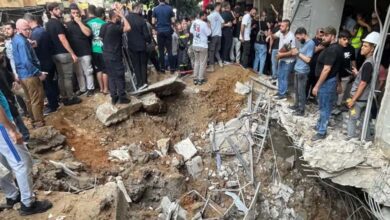
Since the beginning of the conflict, around 800,000 Lebanese civilians have been displaced. At least 773 people have been killed, including many civilians.
According to U.S. and Israeli officials, the Trump administration asked Israel not to bomb Beirut International Airport or other Lebanese infrastructure during the operation.
U.S. officials said Israel agreed to spare the airport but did not commit to protecting the rest of the country’s infrastructure. On Friday, the Israeli military bombed a bridge in southern Lebanon that it said was used by Hezbollah to transport fighters and weapons.
-
Emerging from underground: Israeli manhunt for five gunmen in southern Gaza
-
Unprecedented Israeli Acknowledgment of a Heavy Death Toll in Gaza
Consultations with Washington
An Israeli official stated that Israel would consult Washington on a case-by-case basis: “We feel we have full American support for this operation.”
A U.S. official said: “The Israelis must do what is necessary to stop Hezbollah’s rocket fire.”
Prime Minister Benjamin Netanyahu has tasked former minister Ron Dermer with managing the Lebanese file during the war, according to U.S. and Israeli officials.
Dermer will oversee communications with the Trump administration and lead potential negotiations with the Lebanese government if direct talks begin in the coming weeks.
-
Gaza without hostages… Israel searches for answers for the day after
-
Gaza and Iran outside the Israeli decision… Who controls them then?
On the American side, the issue is being handled by Trump adviser Massad Boulos, who also serves as the U.S. envoy for Africa and has been in contact with Israeli, Lebanese, and Arab officials to facilitate direct discussions between Israel and Lebanon.
In recent days, the Lebanese government has signaled its willingness to begin immediate direct talks with Israel on the terms of a ceasefire without preconditions.
Sources say the Trump administration hopes to use these negotiations to lay the groundwork for a broader agreement that would formally end the state of war between Israel and Lebanon, which has existed since 1948.
-
A meticulously crafted ruse: the details of a nerve-racking operation that brought back an Israeli soldier from Gaza
-
Buffer zone or Israeli annexation? The yellow line threatens Gaza