When technology reshapes wars: Sudan as a model of escalating proxy conflicts
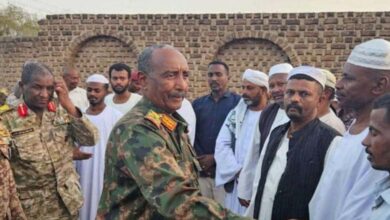
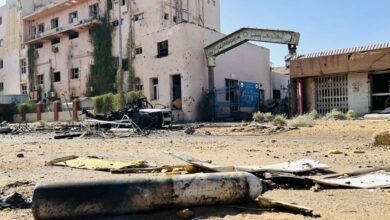
The war in Sudan is no longer merely an internal struggle for power or influence; it has become a mirror reflecting broader transformations in the nature of contemporary conflicts. As the fighting continues, the features of a new pattern of warfare emerge, where local factors intertwine with regional interventions, and technology plays an increasingly significant role in shaping the course of battles. This new reality places Sudan at the center of a complex equation that extends beyond its geographical borders to encompass regional and international balances.
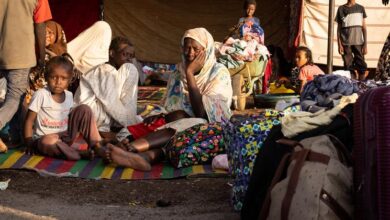
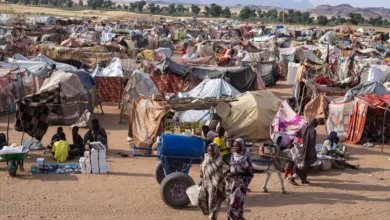
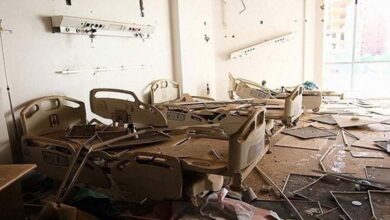
The humanitarian crisis resulting from this conflict has reached unprecedented levels, with millions of Sudanese suffering from severe shortages of food, water, and essential services. The collapse of governmental institutions has also led to a near-total absence of public services, turning daily life for residents into a constant struggle. Under these conditions, civilians become more vulnerable to violations, whether as a result of military operations or the deterioration of the security situation.
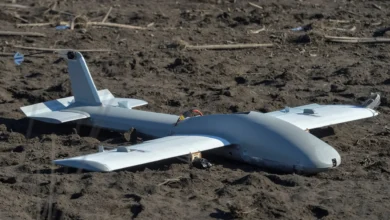
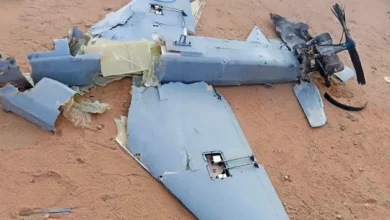
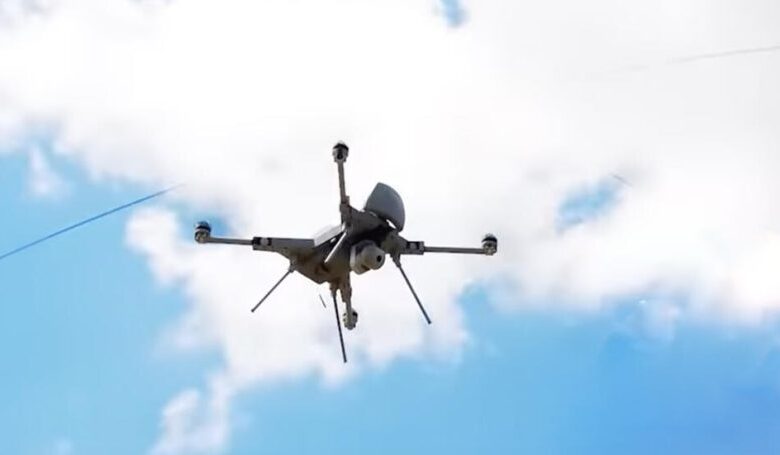
In this context, the role of technology emerges as a decisive factor in transforming the nature of the conflict. Drones, which have become an integral part of the military landscape, provide a clear example of this shift. These systems offer advanced surveillance and targeting capabilities, granting the parties that possess them a relative advantage on the battlefield. However, this advantage comes with increased risks to civilians, especially when such technologies are used in densely populated areas.
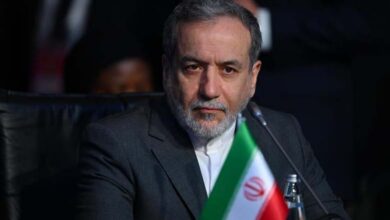
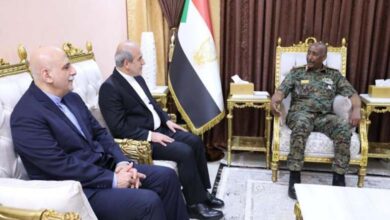
Questions about the sources of these drones raise concerns about the role of regional powers in supporting the parties to the conflict. The presence of advanced technologies on the battlefield indicates that the conflict is no longer isolated from its regional environment but is part of a broader network of interests and interventions. This reality reinforces the notion that Sudan is moving toward a model of proxy warfare, in which external actors play an indirect role in managing the conflict.
This type of warfare is characterized by greater complexity and prolonged duration, as it depends on the continuation of external support to local actors. It also weakens the prospects of reaching a political settlement, as fundamental decisions become tied to external calculations. In such a context, ending the conflict becomes more difficult, as it requires consensus not only among local parties but also among the involved regional powers.
The humanitarian impact of this situation is catastrophic, as the continuation of the war intensifies the suffering of the population and increases the number of displaced persons and refugees. The destruction of infrastructure further hinders any reconstruction efforts, making recovery a long and complicated process. In light of these challenges, it becomes imperative to take urgent measures to mitigate the repercussions of the conflict.
Documenting violations and the use of advanced weapons constitutes a crucial step in this direction, as it provides an information base that can support accountability efforts. It also helps raise international awareness of the crisis and increases pressure on the parties involved in fueling it. Media outlets and human rights organizations play a central role in this regard by conveying facts and presenting an accurate picture of the situation.
The international community is called upon to intensify its efforts to limit external interventions, whether through sanctions or by strengthening diplomatic initiatives. Supporting political initiatives aimed at ending the conflict should also be a priority, with a particular focus on ensuring the participation of all Sudanese parties in the dialogue process.
At the same time, humanitarian efforts must be strengthened to alleviate the suffering of the population by providing assistance and ensuring its delivery to those in need. Rehabilitating basic services is also an important step toward restoring stability.
Ultimately, the Sudanese crisis represents a real test of the international community’s ability to address complex conflicts. The continuation of this situation without a solution will not only deepen humanitarian suffering but may also open the door to further interventions, turning the conflict into a lasting model of proxy warfare.