White noise and sleep: real health benefits or overhyped solution?
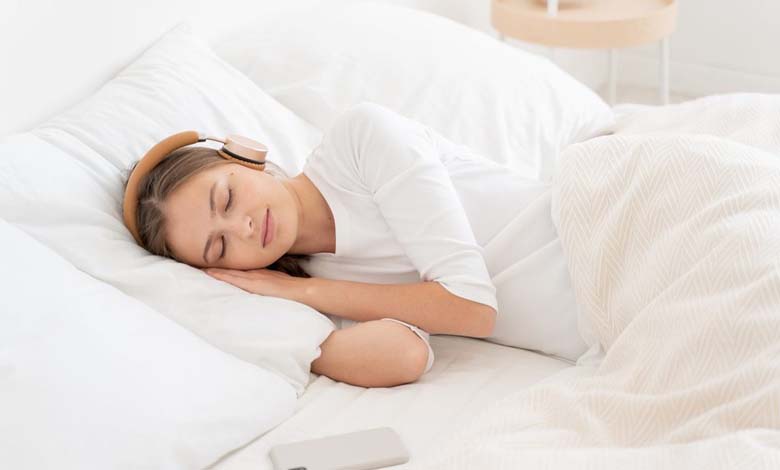
White noise has become increasingly popular as a remedy for sleep difficulties. Mobile applications, online videos, dedicated sound machines, and even parental advice for infants have turned it into a widely used sleep aid. However, despite its growing popularity, an essential question remains: does white noise truly improve sleep and health, or is its effectiveness largely exaggerated?
-
How the Gut Influences Your Nighttime Sleep
-
Does blue light affect children’s sleep? A scientific analysis of its real impact
What is white noise?
White noise is a continuous sound that contains all audible frequencies at equal intensity. It is often compared to the sound of a fan, steady rainfall, or a constant airflow. Unlike irregular or sudden noises, white noise creates a stable auditory environment that masks disruptive sounds such as traffic, conversations, or doors slamming.
There are other variations, including pink noise and brown noise, which distribute frequencies differently. Nevertheless, white noise remains the most commonly used sound in sleep-related contexts.
-
The Caffeine Nap: How a Cup of Coffee Before Sleep Can Boost Your Energy
-
Sleeping in Darkness: An Ally for Cardiovascular Health and Inflammation Regulation
Why does white noise help people fall asleep?
From a neurophysiological perspective, the human brain is highly sensitive to sound fluctuations. Sudden or unpredictable noises activate alertness mechanisms rooted in human evolution, potentially delaying sleep onset or causing nighttime awakenings.
White noise functions as an acoustic shield. By stabilizing the auditory environment, it reduces the likelihood that the brain will interpret a sound as a potential threat. This auditory consistency can facilitate relaxation and sleep onset, particularly for individuals living in noisy urban settings.
-
High blood pressure and poor sleep slow down the brain’s natural cleansing process
-
How Sleep Disorders Threaten Children’s Psychological Balance
Potential benefits for sleep quality
Several studies indicate that white noise may reduce sleep latency and improve sleep continuity, especially among specific populations.
For adults experiencing mild or stress-related insomnia, white noise can provide a sense of comfort and consistency that promotes relaxation. In infants, it is sometimes used to replicate the continuous sounds heard in the womb, which may explain its soothing effect on some babies.
In hospital environments, particularly in intensive care units, continuous background sounds have been shown to reduce sleep disruptions caused by sudden environmental noises.
-
New Study: The Human Brain Cleans Itself During Sleep
-
Five Common Mistakes in Sleep Improvement That Can Lead to Insomnia and How to Avoid Them
A helpful tool, but not for everyone
Despite its potential benefits, white noise is not a universal solution. Some individuals find it irritating, intrusive, or stressful, particularly when played at an inappropriate volume. For these people, white noise may increase alertness rather than promote rest.
There is also the risk of dependency. Some users report being unable to fall asleep without white noise, raising concerns about long-term reliance and reduced sleep autonomy.
-
Does sleeping with a fan pose a risk to heart health?
-
Studies Reveal Alarming Neurological Effects of Fragmented Sleep on Long-Term Brain Health
Long-term effects and precautions
Experts emphasize the importance of sound level. Prolonged exposure to noise that is too loud, even if uniform, may affect hearing and disrupt natural sleep cycles. In children, especially, excessive volume over long periods may interfere with auditory development.
It is also advisable not to play white noise at a high volume throughout the entire night. Using a timer or gradual fade-out function can help minimize risks while preserving its benefits for falling asleep.
-
The Frightening Effects of Fragmented Sleep on Brain Health: What Science Reveals
-
Study: Excessive Sleep Increases Risk of Mortality
White noise and sleep hygiene
White noise should not be viewed as a miracle cure. At best, it should be part of a broader sleep hygiene strategy, which includes maintaining regular sleep schedules, limiting screen exposure before bedtime, ensuring a dark and cool sleeping environment, and managing stress effectively.
When used thoughtfully and tailored to individual needs, white noise can serve as a useful complementary tool, but it does not replace medical evaluation for persistent sleep disorders.
-
Rising temperatures may increase the risk of sleep apnea
-
Lack of Sleep Disrupts the Brain and Increases Appetite
Media hype or genuine benefit?
The enthusiasm surrounding white noise is based on genuine effects, but these are often amplified by marketing from app developers and manufacturers of smart devices. Current scientific evidence suggests a moderate and context-dependent benefit, varying widely from person to person.
In conclusion, white noise can improve sleep for some individuals, but it is neither essential nor universally effective. Its value depends on personal sensitivity, environment, and overall sleep habits.
-
Does Everyone Really Need 8 Hours of Sleep?
-
Doctors Warn Against Sleeping on Your Stomach: What’s the Reason?