When Should You Replace Your Toothbrush to Prevent Disease?
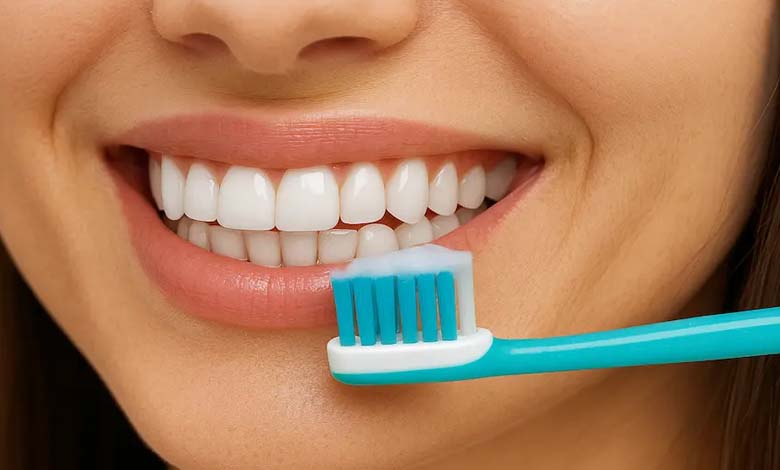
The toothbrush is one of the most frequently used hygiene tools, yet also one of the most overlooked. Many people underestimate how its cleanliness and condition directly influence both oral and overall health. A worn or poorly maintained toothbrush can become a breeding ground for bacteria, reduce brushing effectiveness and increase the risk of infections. The key question is: when should it be replaced to stay protected?
The general rule: every three months
Health organizations and dental associations recommend replacing your toothbrush or electric brush head every eight to twelve weeks, roughly every three months. Beyond this period, the bristles begin to deform and lose their ability to remove dental plaque effectively. Poor brushing increases the likelihood of cavities, gingivitis and tartar buildup.
Why does a worn toothbrush lose effectiveness?
Over time, the bristles bend, spread and soften. A worn toothbrush struggles to clean hard-to-reach areas such as gum lines and interdental spaces. It glides over plaque without removing it properly, allowing bacteria to accumulate. Research shows that a used toothbrush can be up to 30 percent less effective than a new one.
Bacterial accumulation: an underestimated risk
Every brushing removes thousands of microorganisms from the mouth, many of which cling to the bristles. Because moisture remains trapped, the toothbrush becomes an environment conducive to bacterial growth. While most microbes are harmless, some can cause infections, inflammation or exacerbate gum disease. Using a toothbrush for too long may even reintroduce these bacteria into the mouth.
When should you replace it more frequently?
Certain circumstances require more frequent replacement. A toothbrush should be changed:
- after a cold, flu or oral infection to avoid reinfection;
- if the bristles bend or splay before the three-month mark;
- if multiple brushes are stored close together, which increases the risk of contact;
- for children, who often chew on the bristles and wear them out faster;
- in cases of gum disease, under dental supervision.
Proper cleaning and storage
Even with regular replacement, daily maintenance is crucial. After each use, you should:
- rinse the toothbrush thoroughly under clean water;
- shake off excess moisture;
- let it air-dry upright;
- avoid covering it or storing it in closed containers where moisture lingers;
- never share it with others.
Improper storage accelerates bacterial growth and shortens the toothbrush’s effective lifespan.
Manual vs. electric: is there a difference?
Electric brush heads should be replaced just as often as manual brushes. They harbor similar bacteria and their bristles wear at a comparable rate. Many models include color indicators that fade when replacement is needed.
Impact on overall health
A clean and well-maintained toothbrush helps prevent cavities and gum disease but also supports general health. Untreated oral infections are linked to higher risks of cardiovascular conditions, diabetic complications and inflammatory disorders. Good oral hygiene is therefore an essential measure for long-term wellness.
Conclusion
Replacing your toothbrush regularly is a simple yet crucial habit for maintaining oral health and preventing disease. Changing it every three months is a reliable guideline, though some situations require additional caution. A clean, well-stored and frequently renewed toothbrush ensures effective cleaning, limits bacterial buildup and contributes to better overall health.