Internal disputes within the Muslim Brotherhood in the UK: a power struggle over financial resources
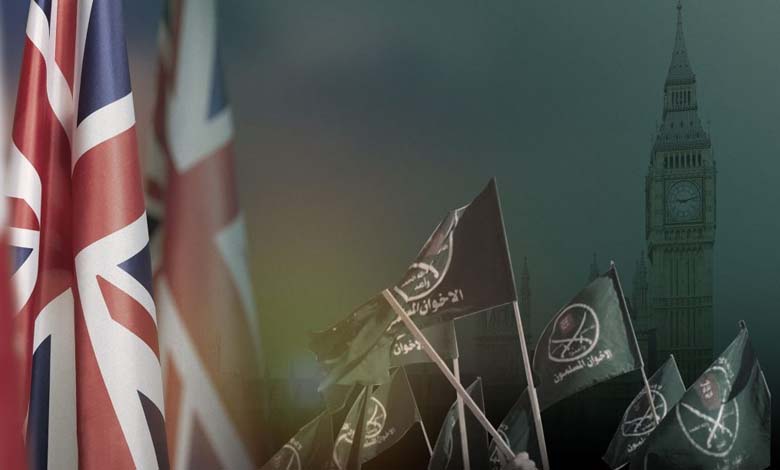
Documented data reveals deep divisions within the Muslim Brotherhood in the United Kingdom, which go beyond mere organizational disagreements to become a direct struggle over control of financial resources and the legal structure of the group. This situation represents a new indicator of the intensity of internal tensions following years of efforts to consolidate legal frameworks in Western countries.
-
The Muslim Brotherhood in the UK: 39 Associations Implementing the International Organization’s Agenda
-
Warnings Over Soft Muslim Brotherhood Infiltration in the UK and Attempts to Monopolize the Arab Voice
According to informed sources, disagreements among prominent leaders within the organization, including Salah Abdelhaq and Anas Al-Tikriti, have sparked disputes over the management and investment of the group’s financial resources in the UK.
The data indicates that one faction of the dispute established a new entity called the “British Islamic Union,” officially recognized by British authorities as a legal front to interact with the government and manage assets including approximately forty mosques and Islamic centers overseen by the organization.
-
Marzouki’s Rebellion Map: A Desperate Bridge for the Return of Tunisia’s Muslim Brotherhood
-
From Cells to Chaos: How the Muslim Brotherhood Turned UK Prisons into a Battleground
The conflict has led to escalating tensions between rival factions within the group, with reports of attempts to forcibly seize Islamic centers in several UK cities, including an attempt to storm the Islamic center in Glasgow, reflecting a rise in tensions up to actual clashes among members of the same organization.
Analysts believe these disputes are not merely personal rivalries among local leaders but have strategic dimensions related to control of financial resources, which are the cornerstone of the group’s ability to continue its activities within British society, both in terms of religious outreach and social and political influence.
-
Sources: Terror among the ranks of the Muslim Brotherhood after the meeting between Shoukry and Oglu
-
Mukhtar Noah: Egyptians indicate the end of the Brotherhood and millions of dollars were wasted to implement the 11-11 plan
Sources confirm that the Islamic centers across the UK constitute an important economic network, particularly through educational projects and social services, making control over them highly valuable financially and organizationally.
This issue reflects the challenges the Muslim Brotherhood faces in the West when legal structures turn into arenas of conflict rather than tools for institutional consolidation, raising questions about the organization’s ability to maintain unity of vision and objectives in environments presumed to be more disciplined than its traditional bases.
-
The US Congress prepares to designate the Muslim Brotherhood as a Global Terrorist Organization
-
Texas designates the Muslim Brotherhood and CAIR as terrorist organizations: a profound American shift reshaping the domestic landscape of political Islam
This situation occurs at a time when the group is facing increased pressures in several countries, whether in terms of classification as a political organization or restrictions on funding its activities, making any internal conflict directly affect its ability to meet the expectations of its members and supporters, adding to the cumulative challenges it faces on the international stage.
-
The Muslim Brotherhood in Saxony… the fall of Al-Jazzar exposes the movement’s crimes
-
The Muslim Brotherhood threat in Germany is growing: warning of infiltration of the Social Democratic Party