The specter of an Israeli invasion looms over southern Lebanon
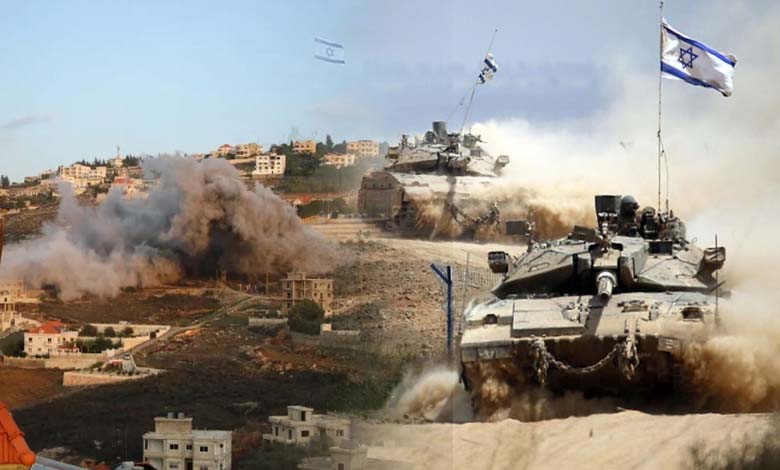
Washington has urged Israel to allow more time for political contacts with the Lebanese government, in an effort to avoid a large-scale military escalation in the region.
The Israeli government is considering launching a military operation in Lebanon to confront what it describes as the “Hezbollah threat,” accusing the Iran-backed group of having reorganized during the ceasefire period.
-
Do not ask anything from us anymore… Hezbollah rejects disarmament north of the Litani
-
Israel tightens its grip on Hezbollah in Lebanon: strike on training complex and weapons depots
According to Israel’s public broadcasting authority, ongoing discussions in Tel Aviv go beyond limited airstrikes. The option of a ground or broader operation is reportedly now on the table, according to two sources familiar with the matter.
The sources added that Prime Minister Benjamin Netanyahu discussed expanding military operations in Lebanon during his meeting with U.S. President Donald Trump in Florida, but Washington requested patience before taking a decision.
The U.S. administration has reportedly called for more time to pursue political contacts with Beirut in an effort to avoid a major military escalation.
-
Austria dismantles Hezbollah’s propaganda strategy: its activities in Europe exposed
-
Lebanon in 2025: the State Advances and Hezbollah Loses Its Leverage
Israeli officials claim that Hezbollah has managed to restore part of its capabilities during the relative calm. Israel places responsibility on the Lebanese government, accusing it of failing to confine weapons to state control, thereby seeking to justify direct military intervention and bypass the role of the Lebanese army and UNIFIL as security guarantors.
This pressure puts the Lebanese army before a difficult test: either engage in a direct confrontation with Hezbollah to disarm it — risking internal conflict — or face an Israeli incursion. Both choices carry serious consequences.
-
Hezbollah disarmament: Paris meeting to discuss practical means of monitoring
-
Israel strikes Hezbollah positions in Lebanon
Israeli analysts argue that any ground incursion, if undertaken, would not be a “military stroll.” It would face significant obstacles, including Hezbollah’s preference for ground combat on its own territory, which could inflict casualties on Israeli forces that society is unlikely to tolerate.
A large-scale ground move also threatens to collapse diplomatic efforts entirely, potentially placing Israel at odds with the international community, including its European allies. It could further draw in other actors from the “axis of resistance,” turning the confrontation into a broader regional war.
-
Israel prepares for a new confrontation with Hezbollah, pending Trump’s approval
-
Iranian insistence on sponsoring Hezbollah tests the limits of Lebanese sovereignty
Since the November 2024 ceasefire, the area has not experienced full stability. Current fears of escalation stem partly from Israel maintaining five strategic positions inside Lebanese territory, leaving full withdrawal unresolved.
The current month is seen as a deadline — set by Israel and some international powers — for the Lebanese government to disarm Hezbollah south of the Litani River, a condition Tel Aviv views as essential to preventing a major confrontation.
-
Iraq designates Hezbollah and the Houthis as terrorist organizations
-
Israel raises its threat level against Hezbollah to force its disarmament