Accusations against Iran of using Iraqi militias to suppress protests
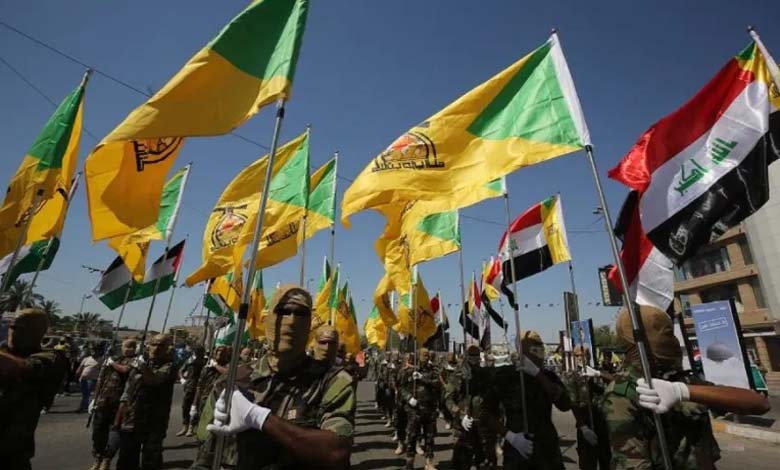
The website Iran International confirms that the Iranian government has enlisted around 800 members of militias linked to the Islamic Revolutionary Guard Corps, including fighters from Kataib Hezbollah, the al-Nujaba Movement, the Sayyid al-Shuhada Brigade, as well as the Badr Organization.
-
Hebrew Newspaper: Israel Braces for an Attack by the Houthis and Iraqi Militias
-
Iran Relies on Houthis and Iraqi Militias to Support Gaza
Growing information published by Iranian opposition outlets reveals that the authorities in Tehran have resorted to Iraqi militias loyal to them to confront the escalating wave of popular protests inside the country. This move reflects Tehran’s repeated reliance on external forces and cross-border armed groups to suppress any popular movement that threatens the regime. This approach, previously used by Iran in Syria to support its ally Bashar al-Assad, now appears to be strongly present on the Iranian domestic scene.
Iran International quoted sources described as confidential as saying that an organized operation to recruit and transfer members of Iraqi militias directly linked to the Islamic Revolutionary Guard Corps has begun in recent days. The aim is to bolster the repression forces deployed in the capital, Tehran, and other cities witnessing widespread protests. According to the information, the operation started four days ago and has so far involved the deployment of approximately 800 fighters.
-
Iraqi Militias Threaten Devastating Response if Israel Assassinates al-Sistani
-
Leaks from the Secret Meeting: Iran Refuses to Support Hezbollah and its Iraqi Militias Against Israel
The sources explained that the vast majority of these elements belong to factions known for their full loyalty to Iran, including Kataib Hezbollah, the al-Nujaba Movement, the Sayyid al-Shuhada Brigade, and the Badr Organization. The information further indicates that these groups received direct instructions to take part in security missions related to dispersing protesters and pursuing activists.
While the Iraqi government has remained silent regarding these developments, available data indicate that official figures in Baghdad are fully aware of the mobilization and transfer operations, without issuing any public position opposing the use of Iraqi territory as a transit point for forces accused of participating in serious human rights violations inside Iran.
-
About the Iraqi battle between the state and militias
-
Washington holds Iraq’s upcoming government responsible for dismantling militias
Reports indicate that the transfer of these elements is carried out through three main border crossings, namely Shalamcheh, Jadhaba, and Khosravi, under the official cover of organizing “religious visits” to the city of Mashhad, allegedly to visit the shrine of Imam Reza. However, the reality on the ground, according to the sources, reveals that these forces first gather at a base known as the “Khamenei Base” in Khuzestan Province before being distributed to various regions to take part in repression operations.
Video testimonies sent by Iranian citizens to Iran International further support these findings. The footage shows members of the repression forces speaking Arabic with clear Iraqi accents, raising widespread questions within Iranian society about the identity of these forces and their role.
-
Kurdistan’s security and the dismantling of militias are conditions set by Washington for supporting Iraq
-
Washington Conditions Any Withdrawal from Iraq on the Dismantling of Pro-Iran Militias
The increasing reliance on proxy militias comes at a time when Iran is experiencing one of the most violent waves of repression in years. In just ten days, dozens of protesters have been killed by security forces, while large numbers of demonstrators, including children and minors, have been arrested.
According to the human rights agency Hrana, the death toll from the recent protests has reached at least 36 people, including four under the age of eighteen. In addition, attacks carried out by security forces on two hospitals in the city of Malekshahi in Ilam Province, as well as a hospital in Tehran, have sparked widespread condemnation inside Iran and abroad.
-
Baghdad Rules Out Forced Disarmament of Militias Amid Security Concerns
-
Societal and Bureaucratic Complexities Hinder Reintegrating Iraqis Returning from Al-Hol Camp
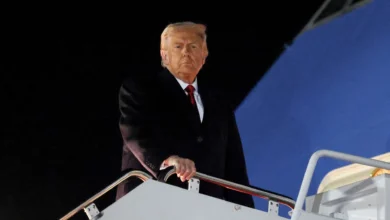
In this context, the US Secretary of State described the attack on the Malekshahi hospital as a “clear crime against humanity,” warning against the continuation of violations against civilians. US President Donald Trump also issued a direct warning to the Iranian leadership, stressing that the regime’s resort to the systematic killing of protesters would be met with American measures to defend the Iranian people.
Despite these warnings, Iran’s Supreme Leader Ali Khamenei emphasized in a speech delivered last week the need to suppress the protesters, calling for them to be “returned to their places,” a statement interpreted as a green light for the continuation of violence.
-
Iran Trains al-Assad Loyalists in Iraqi Camps to Destabilize Syria
-
U.S. Report: Iran Supplies Long-Range Missiles to Iraqi Factions for the First Time
This is not the first time Tehran has relied on its proxy militias to suppress protests. In November 2022, during the “Woman, Life, Freedom” uprising, reports revealed the transfer of elements from the Popular Mobilization Forces and Kataib Hezbollah from Baghdad to Mashhad to take part in repressing demonstrators. Earlier reports had also indicated the deployment of forces from Lebanon and other countries backed by Iran.
This approach reflects a consistent pattern in Tehran’s policy, based on exporting tools of repression and using cross-border militias, whether in Syria or within Iran itself, reinforcing the image of a regime that relies on external force to survive in the face of popular anger.
-
Growing Calls to Turn Halabja into an Iraqi Governorate and Justice for the Victims
-
After Iraqi Factions Abandoned It, Khamenei: Iran Does Not Need Proxies in the Region