Options for striking Iran on Trump’s table: the trigger awaits the green light
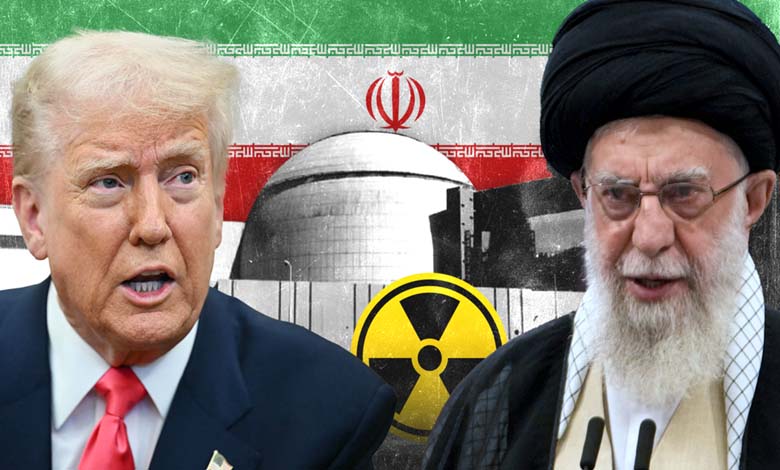
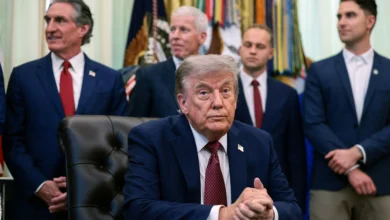
As U.S. President Donald Trump considers carrying out his threat to attack Iran in response to the “crackdown on protests,” he has received briefings in recent days on new options for launching military strikes against Iran.
This was confirmed by several U.S. officials familiar with the matter to The New York Times, though they stressed that Trump has not yet made a final decision.
Trump had said he would “hit them very hard” if Iran’s leaders moved to kill protesters, amid widespread demonstrations calling for sweeping changes in the country.
According to the officials, whose identities were not disclosed, Trump is “seriously considering issuing an order to carry out a strike in response to the Iranian regime’s efforts to suppress demonstrations that erupted amid severe economic crises.”
-
Iran Warns Trump Against Intervention and Draws the Red Line
-
Iran comments on Trump’s plan: We support any initiative to stop the fighting in Gaza
A range of options
Sources said that a set of options was presented to the president, including strikes on non-military sites in Tehran, as part of confidential discussions described by officials speaking on condition of anonymity.
When asked about potential planning for military strikes, the White House referred to Trump’s public statements and his recent social media posts.
On Saturday, Trump wrote on social media: “Iran is now looking toward freedom, perhaps as never before. The United States is ready to help.”
-
Iranian Hackers Threaten to Reveal Secrets from Trump Aides’ Stolen Emails
-
Trump Denies Seeking to Fund Iran’s Civil Nuclear Project
Meanwhile, The Washington Post reported, citing officials, that the Pentagon has a range of scenarios, including:
– the use of lethal force;
– non-lethal options;
– cyberattacks aimed at undermining the Iranian authorities’ ability to restrict protesters’ access to the internet, as demonstrators rely heavily on communications tools to organize their activities.
Protests in Iran began in late December in response to the currency crisis, but quickly spread and intensified, accompanied by widespread calls for radical changes to the system of governance. Iranian officials have threatened to suppress the demonstrations, while dozens of protesters have been killed, according to human rights organizations.
On Friday, Iran’s Supreme Leader Ali Khamenei said the government “will not retreat” in the face of the large-scale protests.
-
Trump Announces Ceasefire Between Israel and Iran
-
Behind Trump’s Deal: How Iran and Israel Agreed to End the War
Trump’s threats
Trump has repeatedly threatened to use lethal force against the Iranian government over its suppression of protests, saying on Friday that Iran “has a very big problem.”
Speaking to reporters during a meeting with oil industry officials, Trump said: “I made it very clear that if they start killing people as they did in the past, we will intervene. We will hit them very hard where it hurts. That does not mean sending ground troops, but carrying out extremely severe strikes. We do not want to reach that stage.”
In the same context, U.S. Secretary of State Marco Rubio held a phone call on Saturday morning with Israeli Prime Minister Benjamin Netanyahu, according to three people familiar with the call. They discussed the protests in Iran, as well as the situation in Syria and the trajectory of the peace process in Gaza.
-
Trump Does Not Rule Out Working Toward Regime Change in Iran
-
Iran Tests Trump’s Principles—Will He Fall Into the Trap His Predecessors Warned Against?
Early on Saturday, Rubio wrote on his personal social media account that the United States “supports the brave Iranian people.”
Senior U.S. officials said on Saturday that some of the options presented to Trump regarding Iran are directly linked to elements of Iran’s security apparatus involved in the use of violence to suppress the escalating protests.
Retaliatory strikes?
At the same time, officials emphasized the need for caution to ensure that any military strikes do not produce counterproductive outcomes, such as uniting Iranian public opinion behind the government or triggering a wave of retaliatory attacks that could threaten U.S. forces and diplomats in the region.
-
Energy Investments: Iran’s New Card to Woo Trump and End Sanctions
-
Iran May Accept a Deal Limiting Its Nuclear Program if Trump Doesn’t Withdraw Again
A senior U.S. military official said that field commanders in the region would need more time before any potential attack to strengthen the U.S. military posture and prepare for a possible Iranian response.
Officials explained that any military action must balance carrying out Trump’s promise to punish the Iranian government if it suppresses protesters with avoiding a dangerous escalation.
Trump is considering striking Iran again just over six months after he ordered strikes against three Iranian nuclear sites last June.
-
Iran’s Nuclear Program Back in the Spotlight… and Trump Seeks Political Breakthrough
-
Between Escalation and De-escalation: How Will Trump Handle Iran?
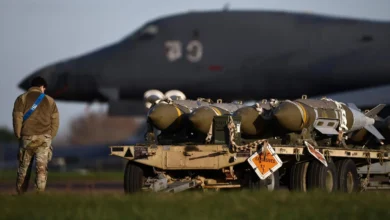
During that operation, which the military dubbed “Midnight Hammer,” six B-2 bombers dropped twelve bunker-buster bombs on a mountainous facility in Fordo, while naval submarines launched thirty cruise missiles at nuclear facilities in Natanz and Isfahan. One B-2 bomber also dropped two additional bombs on Natanz.
Iran responded by launching a barrage of missiles, while offering to resume negotiations over its nuclear program, which its leadership insists is intended solely for civilian purposes.
Late last month, Trump met Netanyahu at the Mar-a-Lago resort in Florida, where they discussed Iran’s nuclear and missile programs. Netanyahu has repeatedly stated that he would not allow Iran to continue developing these capabilities.
-
Trump Gives Iran Two Months to Negotiate a New Nuclear Deal
-
Iran’s Nuclear Program: Tehran Awaits Trump’s Message via an “Arab Country”
Following the meeting, Trump said he had heard that Iran was “behaving very badly” and that he would support any Israeli strikes against Iran if it continued to expand its nuclear and missile programs.
Bold steps
Since Trump ordered the U.S. military on January 3 to attack Venezuela and arrest its president, Nicolás Maduro, and his wife, Cilia Flores, the administration has emphasized in its public statements that the president is prepared to take bold steps on other issues and to follow through on his threats.
-
Trump and Iran: 4 Possible Scenarios, Including “Shock and Awe”
-
Trump Promotes a New Nuclear Deal with Iran to Avoid Military Option
In this context, the U.S. State Department published a video on Friday documenting the nighttime attack on Venezuela on an official account, accompanied by the message: “Do not mess with President Trump. When he says he will do something, he means it.”
Since the start of his second term about a year ago, Trump has ordered airstrikes in several regions around the world, including Iran in June, Venezuela in January, as well as bombardments in Syria, Yemen, Somalia, and Nigeria.
During his first term in 2020, Trump ordered a drone strike in Baghdad that killed Major General Qassem Soleimani, commander of the Quds Force of Iran’s Islamic Revolutionary Guard Corps.
-
Pezeshkian Warns Trump against War with Iran
-
Deal or Strike? Limited Options for Trump in Dealing with Iran
-
Iran Keeps Door Open for Dialogue with Trump and Prepares for New Sanctions