Trump threatens intervention in Iran if protesters are executed
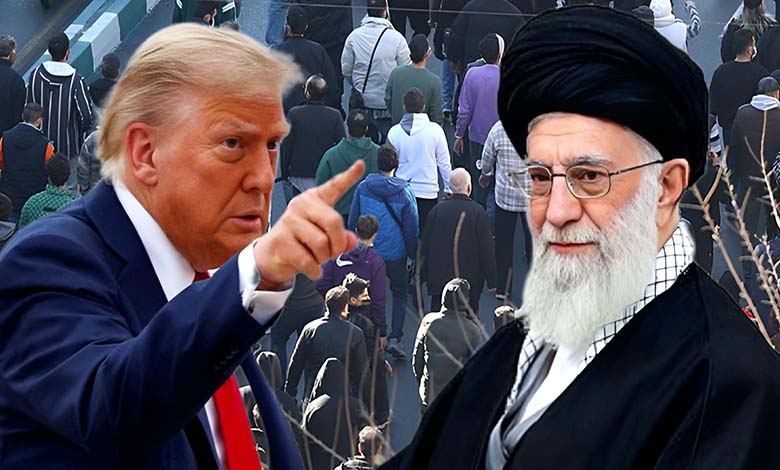
A senior Iranian official confirms the suspension of direct contacts between Abbas Araghchi and Steve Witkoff in light of Trump’s threats.
US President Donald Trump warned that the United States would take “very severe measures” if Iranian authorities were to execute protesters amid the ongoing demonstrations in the country. The remarks were made Tuesday in an interview with CBS, as Tehran confirmed the suspension of direct contacts with the American side.
-
Trump and Iran: 4 Possible Scenarios, Including “Shock and Awe”
-
Iran protests put Trump to the test between escalation and dialogue
Trump said he is closely monitoring the protests in Iran, issuing repeated warnings to Iranian authorities, whom he accuses of continuing to use violence against demonstrators.
Asked about reports suggesting that some protesters could face execution, and whether this would constitute a red line for the United States, Trump stated: “I’m not aware of any execution, but if they execute them, you will see some things in return. If such a situation occurs, we will take extremely tough measures.”
He noted that there are many ways in which the United States could help protesters in Iran, explaining that these are not limited to military options, but also include economic and other measures.
-
After Trump’s threats, Iran affirms readiness for war and dialogue
-
Iran Warns Trump Against Intervention and Draws the Red Line
Trump expressed his belief that developments are heading in the wrong direction, adding: “We don’t want what is happening in Iran. Protesting is one thing, but when thousands start being killed, the situation changes. And now you’re talking about executions. We’ll see how this phase ends for them, and it will not end well.”
In response to these threats, a senior Iranian official said on Wednesday that direct contacts between Iranian Foreign Minister Abbas Araghchi and US Special Envoy Steve Witkoff had been suspended.
The official added that the American threats undermine diplomatic efforts, and that any potential meetings between the two officials aimed at finding a diplomatic solution to the decades-long nuclear dispute had been canceled.
-
Trump Announces Ceasefire Between Israel and Iran
-
Behind Trump’s Deal: How Iran and Israel Agreed to End the War
Earlier on Tuesday, Trump announced in a post on the Truth Social platform that he was canceling any meetings with Tehran. He also called on Iranian protesters to storm state institutions, promising them support.
He wrote: “Iranian patriots, keep protesting, take control of your institutions. Remember the names of the killers and attackers. They will pay a very heavy price.”
Meanwhile, a source at Turkey’s Ministry of Foreign Affairs said that Foreign Minister Hakan Fidan emphasized, during a phone call with his Iranian counterpart Abbas Araghchi on Wednesday, the need to hold talks to resolve the current regional tensions.
-
Energy Investments: Iran’s New Card to Woo Trump and End Sanctions
-
Trump’s Pressure Pushes Iran to Accept U.S. Demands on Nuclear File
A Turkish diplomatic source separately stated that Ankara is also in contact with US officials, amid Trump’s threats to intervene in Iran as protests continue.
On December 28, merchants at Tehran’s Grand Bazaar began protests over the sharp decline of the Iranian rial against foreign currencies and the worsening economic situation. The protests later spread to many cities.
Iranian President Massoud Pezeshkian acknowledged the state of public discontent, affirming that the government is responsible for the current economic problems and urging officials not to blame external actors such as the United States.
-
Iran’s Nuclear Program Back in the Spotlight… and Trump Seeks Political Breakthrough
-
Between Escalation and De-escalation: How Will Trump Handle Iran?
Iranian authorities have not released official figures on the number of dead or injured. However, the Human Rights Activists News Agency in Iran (HRANA) reported in a report published Tuesday, on the sixteenth day of protests, that 664 people had been killed, including 133 security personnel and a prosecutor, as well as nine individuals under the age of 18. The report also indicated that 10,721 people had been arrested.
As violence escalated and police intervention increased during the protests, nationwide internet access was cut on January 9.
-
Trump’s Return Pushes European Powers to Demand Increased Pressure on Iran
-
Iran Keeps Door Open for Dialogue with Trump and Prepares for New Sanctions