Extra Virgin Olive Oil: How It Protects You from Disease
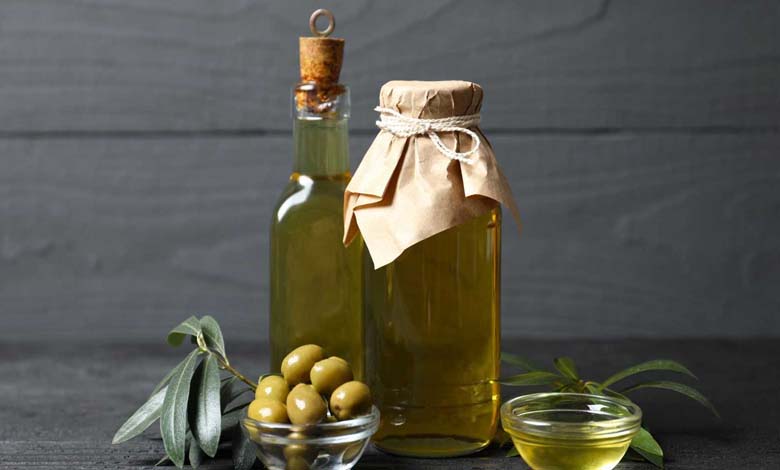
Extra virgin olive oil holds a central place in the Mediterranean diet, widely recognized by the scientific community as one of the healthiest dietary models. Far more than a simple culinary ingredient, it is a true concentrate of bioactive compounds capable of preventing numerous chronic diseases. Understanding the mechanisms through which this oil protects the body allows a better appreciation of its nutritional and therapeutic value.
-
What does one tablespoon of olive oil a day do for your blood pressure?
-
Olive Oil: A Fountain of Youth or Just a Healthy Fat?
In terms of composition, extra virgin olive oil stands out for its richness in monounsaturated fatty acids, mainly oleic acid. This type of fat helps maintain a favorable lipid balance in the blood by reducing LDL cholesterol, often referred to as “bad cholesterol,” while preserving or even increasing HDL cholesterol, which is considered protective. This balance plays a fundamental role in preventing cardiovascular diseases.
Beyond its lipid fraction, extra virgin olive oil is an exceptional source of polyphenols, powerful antioxidants such as oleuropein, hydroxytyrosol, and tyrosol. These compounds neutralize free radicals responsible for oxidative stress, a process involved in cellular aging and the development of many pathologies, including cancer, neurodegenerative diseases, and chronic inflammatory conditions.
-
Half a Teaspoon of Olive Oil a Day May Improve Memory
-
Olive oil or coconut oil: which one is better for heart health?
One of the most documented effects of olive oil concerns cardiovascular health. Regular consumption reduces inflammation of arterial walls, improves endothelial function, and decreases the risk of atherosclerotic plaque formation. These mechanisms contribute to the prevention of heart attacks, strokes, and high blood pressure.
Extra virgin olive oil also plays a protective role in the prevention of type 2 diabetes. Through its favorable influence on insulin sensitivity, it contributes to better blood glucose regulation. By replacing saturated fats with this vegetable oil, improvements in carbohydrate metabolism and a reduced risk of insulin resistance are observed, which is a key factor in the development of diabetes.
-
Study: Olive Oil Consumption Reduces Risk of Dementia
-
The All-in-One Health and Beauty Solution: Understanding the Benefits of Olive Oil
From a digestive perspective, olive oil facilitates intestinal transit, stimulates bile secretion, and promotes the absorption of fat-soluble vitamins such as vitamins A, D, E, and K. It also exerts a protective effect on the gastric mucosa, thereby reducing the risk of gastritis and ulcers. Within a balanced diet, it helps maintain a healthy gut microbiota, which is essential for immunity and overall health.
The benefits of olive oil also extend to the neurological sphere. Recent studies suggest that its phenolic compounds may slow cognitive decline and reduce the risk of neurodegenerative diseases such as Alzheimer’s disease. These effects are linked to its anti-inflammatory properties and its ability to protect neurons against oxidative stress.
-
Camphor Oil: A Natural Remedy for Respiratory Diseases and Joint Pain?
-
Here are the top 7 vegetable oils rich in phytosterols
It should be emphasized, however, that not all types of olive oil are equal. Only extra virgin olive oil, obtained by first cold pressing and without chemical treatment, retains the full range of its nutrients and antioxidants. Refined oils, by contrast, lose much of their protective compounds during industrial processing. Choosing high-quality oil is therefore essential to fully benefit from its virtues.
Finally, extra virgin olive oil fits into a comprehensive preventive approach to health. It is not a miracle cure, but a fundamental element of a healthy lifestyle combining a varied diet, regular physical activity, and proper stress management. Used daily in moderation, it becomes a true ally against modern lifestyle-related diseases.
In conclusion, extra virgin olive oil protects the body through a unique combination of beneficial fats and antioxidant compounds. It acts simultaneously on the heart, metabolism, digestive system, and brain, making it one of the pillars of preventive and sustainable nutrition.
-
Half a Cup of Almonds a Day: Natural Protection for Your Body’s Cells
-
How seasonal fruits and vegetables strengthen your immunity