Why Some Parents Struggle to Apply Gentle Parenting
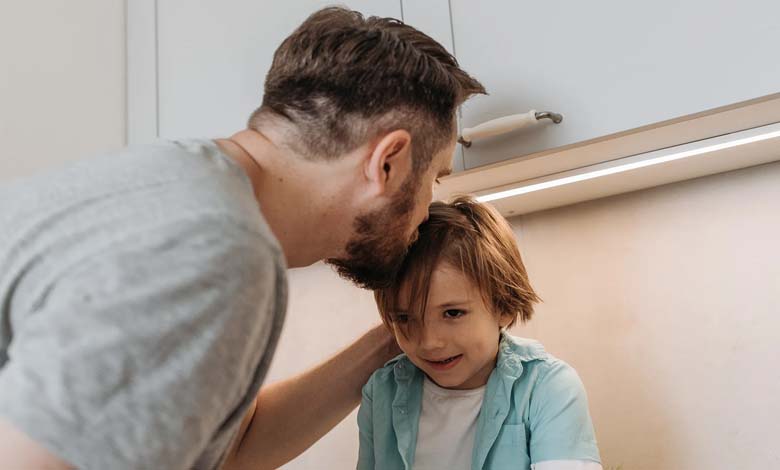
Gentle parenting, sometimes referred to as positive or respectful parenting, has gained increasing attention in many societies. Based on emotional awareness, respectful communication, and the recognition of children’s needs, this approach aims to support healthy emotional development while providing a secure and structured environment. However, despite its growing popularity and well-documented benefits, many parents find it challenging to apply gentle parenting consistently in everyday life. These difficulties are not the result of a lack of motivation, but rather reflect complex psychological, cultural, and social factors.
-
What is the Impact of Grandchildren’s Connection with Grandparents on Their Emotional Health?
-
Do Parents Love All Their Children Equally?
One of the main obstacles lies in parents’ own educational background. Many adults were raised in authoritarian environments where obedience was valued over emotional expression. When they become parents themselves, they may feel unprepared to respond differently from what they experienced as children. Gentle parenting often requires unlearning deeply ingrained habits, which can create inner conflict and emotional discomfort.
Emotional regulation is another major challenge for parents. This parenting style assumes that adults are able to recognize, understand, and manage their own emotions before helping their children regulate theirs. However, work-related stress, mental load, chronic fatigue, and lack of support can make emotional self-regulation particularly difficult. In moments of tension, remaining calm, patient, and consistent becomes a real challenge, even for parents who strongly believe in gentle parenting principles.
-
Health Risk Threatens Children of Divorced Parents
-
What is the secret of the chemistry between grandparents and their grandchildren?
Unrealistic expectations surrounding gentle parenting also contribute to these difficulties. Some parents mistakenly believe that this approach eliminates frustration, conflict, or boundaries. When children continue to display challenging behaviors, parents may experience guilt or feel that they are failing. In reality, gentle parenting does not aim to remove difficulties, but rather to address them respectfully while maintaining clear and reassuring limits.
Social pressure and external judgment also play a significant role. In certain cultural contexts, firmness is still closely associated with parental authority, while listening and negotiation may be viewed as signs of weakness. Parents who choose a gentle approach may feel criticized or misunderstood by family members or society at large, which can undermine their confidence and complicate the practical application of their educational choices.
-
7 Reasons Children Lie to Their Parents
-
“You’re mature”: a phrase repeated by parents to their children may leave negative effects
In addition, the lack of clear and balanced information can intensify these struggles. Social media and some popular narratives often present an idealized version of gentle parenting, without addressing its challenges or the need for adaptation according to the child’s age and family circumstances. This oversimplification can widen the gap between expectations and reality, leading to increased frustration.
It is also important to acknowledge that gentle parenting requires time and consistency. In a daily life filled with multiple responsibilities and constraints, it is not always easy to pause, listen, and engage in meaningful dialogue. This approach demands significant emotional and cognitive investment, which can be difficult to sustain without adequate support.
-
Children sleeping: 5 mistakes we all make as parents that should be avoided
-
Virtual Autism in Children: Worrying Behaviors Caused by Excessive Screen Time
In conclusion, while gentle parenting offers valuable benefits for children’s emotional and relational development, it also presents real challenges for parents. These difficulties stem from personal histories, cultural norms, and everyday pressures rather than a lack of commitment. Recognizing these obstacles allows for a more realistic and compassionate view of parenting itself and highlights that education is a gradual learning process, both for children and for the adults who guide them.
-
“Be Careful” Raises an Anxious and Hesitant Child… What Are the Best Alternatives?
-
Proven ways to prevent fights between siblings