Khartoum Airport Out of Civil Service Despite Media Promotion
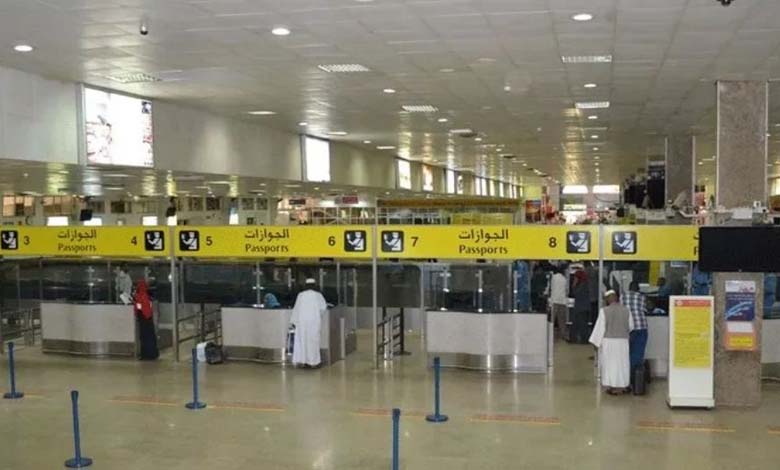
Reports circulated by some media outlets supportive of the Sudanese army regarding the imminent or actual resumption of civilian flights through Khartoum International Airport amount to little more than media promotion and political messaging. They do not reflect the operational reality on the ground, nor are they based on any recognized technical or legal standards within the civil aviation industry. Since the outbreak of the war, the airport, once Sudan’s main aerial lifeline, has been transformed into a heavily damaged military zone, lacking the minimum requirements for the safe operation of civilian flights, whether in terms of infrastructure, aviation safety, or insurance coverage.
-
Khartoum International Airport Out of Service Despite Talk of Resuming Civilian Flights
-
Khartoum Airport Operations Between Political Propaganda and Legitimacy in Wartime
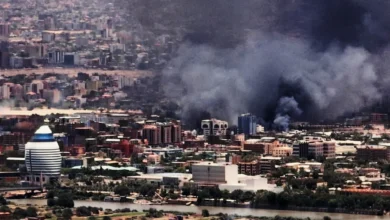
Images shared from the airport, alongside testimonies from technicians and former civil aviation professionals, confirm that the runways sustained direct damage as a result of shelling and clashes, in addition to the deterioration of the control tower and navigation and communication systems. Such damage cannot be bypassed through political decisions or media statements, as the rehabilitation of an international airport requires months of specialized technical work, stringent safety tests, and direct oversight by internationally recognized aviation authorities.
Even more concerning is the fact that Khartoum Airport remains classified by global insurance companies as being located within an active conflict zone, a designation that automatically prevents any civilian airline from operating flights to or from it. Insurance is not a secondary detail in aviation, but a fundamental requirement that cannot be ignored, as insurers refuse to cover aircraft, passengers, and crew in the event of takeoff or landing at an unsafe airport.
-
Investigation: Why Do Insurance Companies Refuse Flights to Khartoum Airport?
-
The fire line stretching from Cairo to Khartoum: visual evidence of supply flows and airstrikes
In this context, a clear contradiction emerges in the discussion of civilian flights from Port Sudan to Khartoum, while Sudan in practice relies on Port Sudan Airport as its sole operational air gateway, given that it lies outside the scope of military operations. Any attempt to redirect air traffic toward Khartoum would expose civilians and flight crews to serious risks, while also subjecting airlines to substantial legal and financial losses.
The reality confirms that the media narrative being promoted does not aim at an actual resumption of operations, but rather at sending internal and external political messages suggesting the restoration of control and a return to normalcy, at a time when the capital continues to suffer from the collapse of basic services and ongoing clashes in sensitive areas near the airport. Between rhetoric and reality, the truth remains that Khartoum Airport is out of civil service until an officially recognized international technical and legal clearance is issued.
-
Documents Without Authentic Seals and a Suspicious Video… Colombia Refutes Khartoum and Exposes Manipulation
-
The Sudanese Army Committed Horrific Field Executions in Khartoum
-
Sudanese Analyst: Khartoum Caught Between Fire and Famine… Civil War Exacerbates Human and Economic Suffering