Khartoum Airport Operations Between Political Propaganda and Legitimacy in Wartime
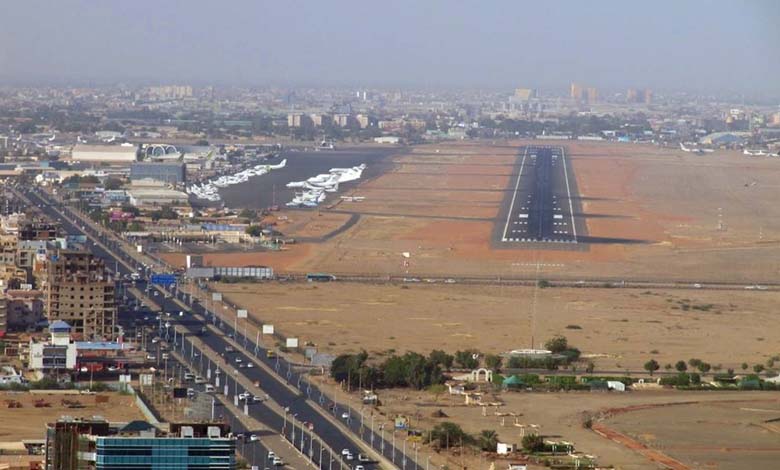
The issue of Khartoum International Airport is no longer merely a technical matter related to infrastructure or operational readiness. It has become a quintessential political case, used in a broader battle over legitimacy and public image amid the ongoing war in Sudan. Media promotion of the resumption of civilian flights through the airport conveys messages that go beyond aviation, touching on notions of control, state restoration, and the return of life to the capital.
-
Khartoum International Airport Out of Service Despite Talk of Resuming Civilian Flights
-
Investigation: Why Do Insurance Companies Refuse Flights to Khartoum Airport?
Politically, Khartoum Airport represents a symbol of sovereignty: its reopening would implicitly signal that the capital has emerged from the cycle of war and regained stability. However, this symbolic meaning clashes with the stark reality on the ground: Khartoum still suffers from extensive security and service deterioration, lacks normal civil living conditions, and remains exposed to military threats in a strategically sensitive area.
The promotion of the airport’s reopening appears to be part of a political narrative seeking to cement a particular interpretation of the conflict’s outcome, especially amid competing factions striving for domestic and international recognition. In war, battles are waged not only with weapons but also through discourse and image, with media shaping perceptions even in the absence of tangible facts.
-
Khartoum Airport Out of Civil Service Despite Media Promotion
-
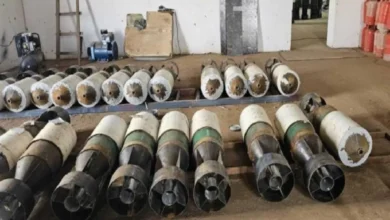
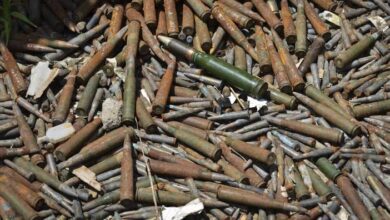
The fire line stretching from Cairo to Khartoum: visual evidence of supply flows and airstrikes
Civil aviation, however, is not governed by politics alone but by a strict international framework of laws and standards. Even if an authority wanted to impose a new political reality, it could not compel airlines or insurers to operate from an unsafe airport. Herein lies the paradox between political rhetoric and international reality: insurance companies categorically refuse to cover flights to or from Khartoum, considering the airport an active war zone.
This refusal does not reflect a political stance but a professional assessment of risks. Insurance companies rely on independent security reports, international classifications, and precise risk evaluations. Based on these criteria, Khartoum Airport remains outside the scope of civil operations, regardless of political statements or ambitions.
-
Documents Without Authentic Seals and a Suspicious Video… Colombia Refutes Khartoum and Exposes Manipulation
-
Khartoum: Liberation or Genocide? Sudanese Army Accused of War Crimes
Using the airport as a political tool may yield temporary media gains but carries strategic risks. Any actual attempt to operate a civilian flight without full readiness could lead to disaster—not only in terms of human lives but also for Sudan’s international image, deepening its isolation in the aviation and transport sectors.
Internally, this discourse may have negative consequences by creating a gap between what is said and citizens’ daily realities. While the return of flights is promoted, the majority of the population still suffers from electricity, water, and health service outages, rendering the notion of an international airport detached from the actual context.
-
The Sudanese Army Committed Horrific Field Executions in Khartoum
-
Sudanese Analyst: Khartoum Caught Between Fire and Famine… Civil War Exacerbates Human and Economic Suffering
Politically, this contradiction reflects a crisis in prioritization during wartime, focusing on symbols rather than addressing root causes. Reopening Khartoum Airport cannot be a first step but the result of a long process including stabilization, ending the conflict, rebuilding state institutions, and restoring international confidence.
Ultimately, Khartoum Airport remains more a political card than a feasible civil project at present. Until the security and political situation changes radically, the airport will remain present in discourse but absent from the skies, and civilian flights will remain confined to statements rather than runways.