Is peanut butter harmful to cholesterol or beneficial for the heart?
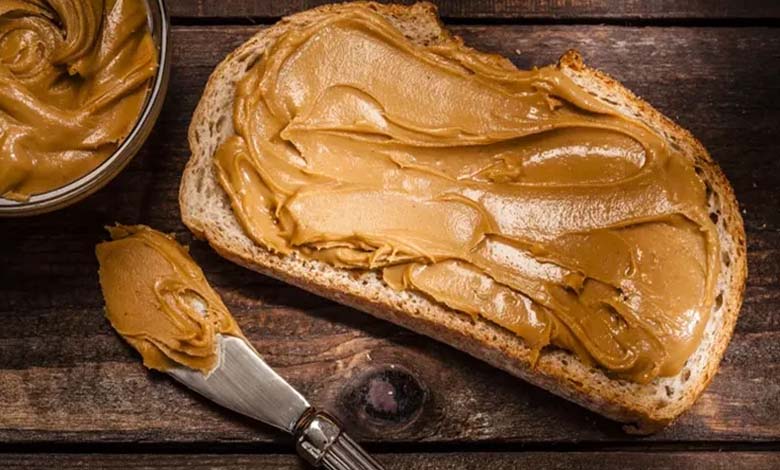
Peanut butter holds an ambiguous place in popular nutritional thinking. Rich, calorie-dense, and often associated with indulgence, it is sometimes viewed as an unhealthy food, particularly by people concerned about their cholesterol levels or cardiovascular health. However, recent scientific evidence offers a more nuanced, and in some cases surprisingly positive, perspective on its effects on the heart, provided it is consumed appropriately.
Understanding cholesterol and its impact on heart health
Cholesterol is a lipid substance essential for the proper functioning of the body. It plays a role in building cell membranes, producing certain hormones, and synthesizing vitamin D. However, excessive blood cholesterol levels, particularly LDL cholesterol, are associated with an increased risk of cardiovascular diseases such as atherosclerosis, heart attacks, and strokes.
In contrast, HDL cholesterol is often referred to as “good cholesterol” because it helps transport excess cholesterol back to the liver for elimination. The impact of a food on cholesterol levels therefore depends less on its total fat content than on the type of fats it provides.
-
Why Do You Still Feel Hungry Despite Eating Enough Protein?
-
Do Protein Shakes Really Help with Weight Loss?
Nutritional profile of peanut butter
Contrary to common misconceptions, peanut butter is not primarily composed of saturated fats. It mainly contains monounsaturated and polyunsaturated fatty acids, which are widely recognized for their beneficial effects on cardiovascular health. These fats are also found in foods such as olive oil and nuts, which are frequently recommended in heart-healthy diets.
Peanut butter is also a valuable source of plant-based protein, dietary fiber, magnesium, potassium, and antioxidant compounds. These nutrients play important roles in regulating blood pressure, reducing inflammation, and maintaining a healthy lipid metabolism.
-
Nuts: The Secret to Health and Fitness Despite Their High Calorie Content
-
Beyond Meat and Eggs: 5 Plant-Based Foods That Boost Muscle Growth
Potential effects on blood cholesterol
Several nutritional studies suggest that moderate consumption of peanut butter may help improve lipid profiles. The unsaturated fats it contains are associated with reductions in LDL cholesterol and, in some cases, increases in HDL cholesterol.
In addition, the dietary fiber present in peanut butter can help reduce intestinal cholesterol absorption. Naturally occurring plant compounds known as phytosterols may also contribute to this effect by competing with cholesterol during digestion.
-
“Naked Carbohydrates”: How Do They Affect Your Health?
-
Due to “Deception and Misrepresentation,” “Hershey” urged to pay $5 Million
The importance of quantity and quality
The potential heart benefits of peanut butter depend largely on how much is consumed and on its composition. Excessive intake can lead to an overly high caloric intake, promoting weight gain, which itself is a risk factor for cardiovascular disease.
Moreover, not all peanut butters are nutritionally equivalent. Some commercial varieties contain added sugars, hydrogenated oils, and excessive salt, all of which may negatively affect heart health. In contrast, natural peanut butter made solely from peanuts, without additives, fits more easily into a balanced diet.
-
With the beginning of a new school year, these are the best foods for school students
-
Foods to always have in your pantry
Incorporating peanut butter into a heart-healthy diet
When consumed in moderation, peanut butter can be part of a heart-friendly eating pattern. It can be paired with fiber-rich foods such as whole-grain bread or fruit to enhance satiety and help stabilize blood sugar levels.
Within the context of an overall balanced diet rich in vegetables, fruits, whole grains, and healthy fat sources, peanut butter can become an ally rather than an enemy of cardiovascular health.
In conclusion, peanut butter is not inherently harmful to cholesterol levels. On the contrary, when it is natural, consumed in reasonable amounts, and integrated into a healthy dietary pattern, it may contribute to heart protection and improved lipid balance. As is often the case in nutrition, balance and quality matter more than outright exclusion.
-
Ramadan: this special breakfast recipe to hold the whole day of fasting
-
Lipids and their benefits for the body