Cotton Swabs Threaten Ear Health and Increase Earwax Problems
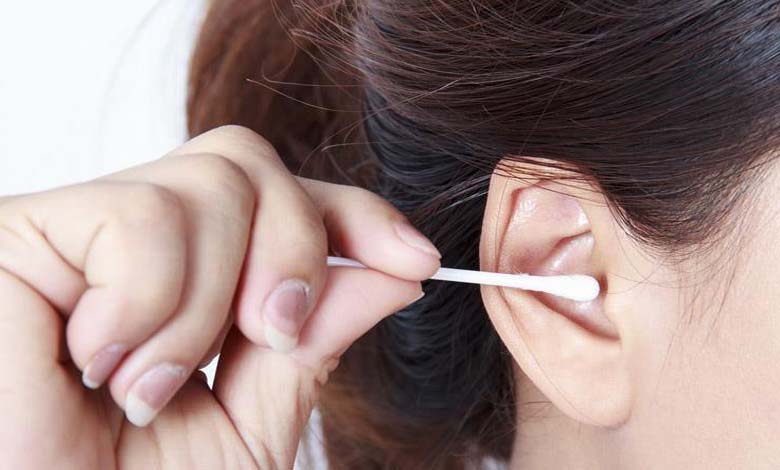
Cotton swabs are widely perceived as essential tools of daily hygiene. However, their use for cleaning the inside of the external auditory canal has repeatedly been discouraged by healthcare professionals. Rather than improving ear hygiene, improper use can disrupt the ear’s natural protective mechanisms, promote earwax accumulation, and lead to potentially serious complications. Understanding ear physiology and the function of earwax helps clarify the risks associated with this common practice.
-
What is the best way to clean your ears?
-
Excessive personal hygiene can become a health risk for women
The Physiological Role of Earwax
Earwax, medically known as cerumen, is a natural substance produced by ceruminous and sebaceous glands in the external auditory canal. Contrary to common misconceptions, it is not an impurity that must be systematically removed. It performs several essential functions.
First, it acts as a protective barrier by trapping dust, foreign particles, and certain microorganisms. Second, its slightly acidic properties help limit bacterial and fungal growth. Cerumen also lubricates the ear canal, preventing dryness and irritation of its delicate skin.
The ear canal possesses a natural self-cleaning mechanism. Jaw movements, particularly during chewing and speaking, facilitate the gradual outward migration of earwax, where it can be eliminated without invasive intervention.
-
Should You Regularly Clean Your Child’s Ears? Experts Provide Insight
-
Home beauty recipes: 5 treatments to do with coffee
Harmful Effects of Cotton Swabs
Inserting a cotton swab into the ear canal disrupts this natural mechanism. Instead of removing earwax, the swab often pushes it deeper toward the eardrum. This compression promotes the formation of impacted earwax, which may cause a sensation of blockage, hearing reduction, or tinnitus.
Repeated contact between the swab and the canal wall can also result in microtrauma. The skin lining the ear canal is thin and vulnerable; even minor injuries may create an entry point for infectious agents, increasing the risk of external ear infections.
In more severe cases, inserting a swab too deeply can cause eardrum perforation or damage to internal ear structures. Although such complications are uncommon, they illustrate the fragility of the ear and the importance of caution.
-
Do Not Share Bathroom and Personal Hygiene Tools: An Essential Health Precaution
-
Hygiene: Are the French really the dirtiest in Europe?
The Paradoxical Increase in Earwax Problems
Regular use of cotton swabs may paradoxically stimulate increased earwax production. Repeated irritation of the ear canal can activate ceruminous glands, leading to greater secretion. This creates a cycle in which attempts to clean the ear result in more earwax accumulation.
Furthermore, pushing earwax deeper alters its consistency, making it more compact and harder to eliminate naturally. This increases the likelihood of symptomatic impaction.
Risk Factors and Vulnerable Populations
Certain individuals are more prone to earwax impaction, including those who frequently use hearing aids or in-ear headphones. These devices can obstruct the natural migration of earwax.
Older adults may also face higher risk due to changes in earwax consistency, which often becomes drier and harder with age. In such cases, cotton swab use may worsen the problem and complicate subsequent removal.
-
Wearing Socks: Does It Improve Sleep Quality in Winter?
-
Why You Should Think Twice Before Entering a House with Your Shoes On
Recommendations for Proper Ear Hygiene
Healthcare professionals advise limiting cleaning to the external part of the ear, namely the auricle. A damp cloth is generally sufficient to maintain appropriate hygiene.
If persistent blockage or hearing reduction occurs, consulting a healthcare provider is recommended. Safe removal methods, such as controlled irrigation or extraction under medical visualization, allow earwax removal without damaging auditory structures.
Specific ear drops designed to soften earwax may also be used when appropriate, though their use should be cautious and adapted to individual clinical circumstances.
Preventive Approach and Health Education
The continued use of cotton swabs inside the ear canal largely stems from cultural habits and misconceptions about cleanliness. Improving public awareness of the protective role of earwax and the risks associated with inserting objects into the ear is a significant public health objective.
Promoting scientific understanding of ear hygiene can help prevent avoidable complications and reduce consultations related to earwax impaction and external infections.
Although widely available and commonly used, cotton swabs can threaten ear health when inserted into the auditory canal. By disrupting the ear’s natural self-cleaning mechanism, they promote earwax accumulation and compaction, increase infection risk, and in rare cases may cause more serious injury.
Adopting an approach that respects ear physiology and avoids unnecessary invasive cleaning remains the most effective strategy for preserving auditory health and balance.
-
How does cleaning your teeth help prevent dementia?
-
The potential role of garlic as an alternative to mouthwash