Bacteria Frozen for 5,000 Years: An Emerging Threat in the Era of Climate Thaw
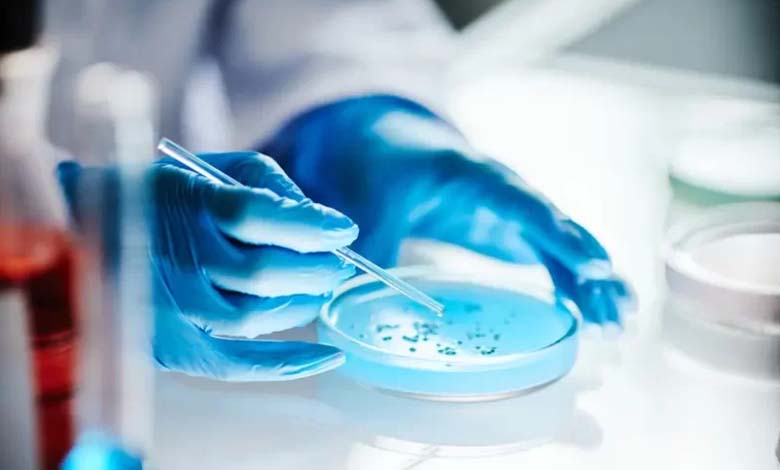
As global warming reshapes polar ecosystems, a growing scientific concern has emerged: the possible resurgence of ancient microorganisms trapped in ice for thousands of years. Among them are bacteria frozen for nearly 5,000 years, preserved in Arctic permafrost and deep glacial layers. What was once considered a speculative scenario is now a legitimate subject of scientific investigation. Researchers are examining whether these microorganisms could regain biological activity and potentially cause infections in a modern world that has evolved biologically and ecologically.
This issue stands at the intersection of microbiology, epidemiology, climate science, and public health, raising complex questions about the unforeseen consequences of environmental change.
-
Scientific study: a potential link between Alzheimer’s disease and a bacterial infection originating in the gums
-
Showerheads: an ideal environment for bacterial and fungal growth
Permafrost: A Biological Archive of the Past
Permafrost refers to ground that remains frozen for at least two consecutive years, primarily in Arctic and sub-Arctic regions. Some layers date back tens of thousands of years, functioning as a biological time capsule that preserves DNA fragments, viruses, and bacteria in a dormant state.
Extremely low temperatures, limited light exposure, and minimal biological activity allow exceptional preservation. Scientific studies have shown that certain bacteria can survive prolonged freezing through sophisticated survival mechanisms such as spore formation, metabolic dormancy, and DNA stabilization processes.
The discovery of viable bacteria dating back 5,000 years is therefore scientifically plausible. Laboratory experiments have successfully reactivated ancient microorganisms after controlled thawing. The crucial question is whether such agents could become infectious again.
-
4 Types of Gut Bacteria Linked to Living Up to 100 Years
-
Study: Oral Bacteria Protect Against Cognitive Decline in the Brain
Climate Change as a Catalyst
Rising global temperatures are accelerating permafrost thaw, particularly in Arctic regions. This thaw not only releases greenhouse gases such as methane but also exposes ancient organic material and microorganisms long sealed in frozen soil.
As the ground melts, animal remains and sediment layers may re-enter biological circulation. In documented cases, previously buried infectious agents have resurfaced locally after exposure from thawing soil.
However, the likelihood that a 5,000-year-old bacterium could thrive today depends on multiple variables: adaptability to modern hosts, resistance to contemporary immune systems, and environmental conditions favorable for transmission.
-
How Can Oral Bacteria Cause Cancer?
-
“Nestlé” Destroys Two Million “Perrier” Bottles After Discovering “Fecal Bacteria”
Public Health Risks and Scientific Uncertainty
The primary concern lies in unpredictability. Modern human immune systems have never encountered certain ancient pathogens. In theory, the absence of prior immunity could facilitate rapid spread if a bacterium retained its virulence.
Nevertheless, caution is warranted against exaggerated scenarios. Many ancient bacteria may be biologically incompatible with current ecosystems or unable to infect modern organisms. Host-pathogen dynamics have evolved significantly over millennia.
For an outbreak to occur, several rare conditions would likely need to coincide: direct human exposure, efficient transmission pathways, and delayed medical response.
-
Study – Can Gut Bacteria Cause Rheumatoid Arthritis?
-
Bacteria in your mouth could lead to life-threatening cerebral abscesses
Scientific Monitoring and Biosecurity
Given these potential risks, researchers advocate for enhanced monitoring of thawing regions. Arctic expeditions now include strict biosafety protocols to prevent accidental exposure or contamination.
Laboratories analyzing ancient microorganisms operate under high-containment standards similar to those used for hazardous pathogens. Advanced genomic sequencing enables rapid identification and risk assessment of newly discovered bacteria.
International cooperation is critical. Polar regions are vast and remote, making data sharing among climatologists, microbiologists, and health authorities essential for proactive risk management.
-
Sweeteners Have Toxic Effects on Some Good Gut Bacteria
-
Study: Can Cheese Act as a Shield Against Gallstones?
A Broader Environmental Lesson
The issue of ancient frozen bacteria illustrates the indirect health consequences of climate change. Permafrost thaw serves as a reminder of the intricate connections between environmental systems and human health.
In an interconnected world, localized biological events can rapidly become global concerns. Recent pandemic experiences underscore the importance of preparedness, surveillance, and coordinated response mechanisms.
The possibility that bacteria frozen for 5,000 years could be released by climate-driven thawing is a serious topic that demands scientific rigor rather than sensationalism. While the probability of a global epidemic directly triggered by such ancient bacteria remains uncertain, the phenomenon highlights the profound transformations underway in Earth’s climate system.
Investing in interdisciplinary research, strengthening global health surveillance, and addressing climate change mitigation remain essential strategies for minimizing emerging risks. The frozen past preserved beneath Arctic ice reminds us that environmental change can reactivate elements of biological history, potentially reshaping the future.
-
Severe obesity increases the risk of death from infectious diseases by 70 percent
-
Why You Should Think Twice Before Entering a House with Your Shoes On
-
Excessive Fear in Your Cat May Reveal a Hidden Illness