Garlic Supplements and Heart Health: Myth or Scientific Reality?
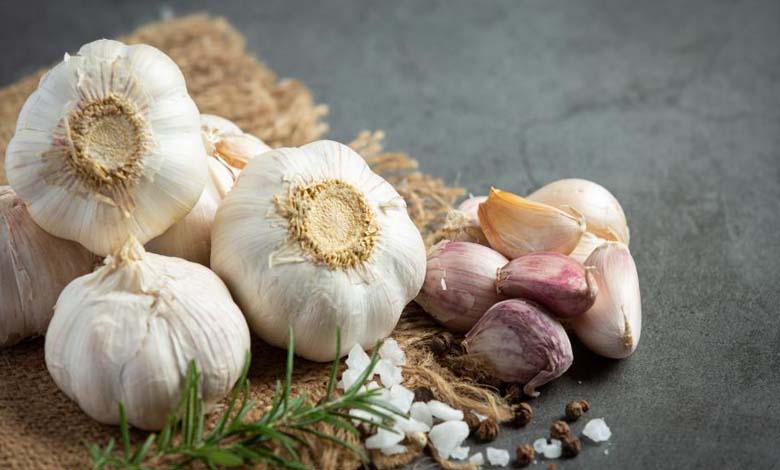
Cardiovascular health remains a major public health concern worldwide. With the rising prevalence of heart disease and circulatory disorders, natural strategies to protect the heart have garnered increasing attention. Among these, garlic (Allium sativum) holds a prominent position. Used for millennia for its medicinal properties, garlic is now available as standardized dietary supplements, marketed as providing the same benefits as fresh garlic. But do these supplements truly protect the heart, or are they largely an ancient myth amplified by the supplement industry?
This question requires a careful examination at the intersection of nutrition, pharmacology, and cardiology. Current scientific evidence provides insights into the real efficacy of garlic in preventing and managing cardiovascular disease.
-
The potential role of garlic as an alternative to mouthwash
-
“Black Garlic”: Amazing Benefits for Heart Health and Immunity Boost
Bioactive Compounds in Garlic
Garlic contains a variety of organosulfur compounds, with allicin being the most extensively studied. Allicin forms when fresh garlic is crushed or chopped, triggering specific enzymatic reactions. This compound exhibits antioxidant and anti-inflammatory properties, potentially benefiting cardiovascular health.
Other bioactive compounds, such as ajoenes, diallyl sulfides, and polysaccharides, have also been linked to positive biological effects, including blood pressure modulation, LDL cholesterol reduction, and platelet aggregation inhibition—factors directly associated with cardiovascular risk.
Garlic Supplements: Efficacy and Limitations
Garlic supplements come in various forms: capsules, dried extracts, powders, and oils. Their concentration of active compounds varies widely, complicating study comparisons and generalization of results.
Some clinical research suggests that regular garlic supplementation may modestly reduce blood pressure in hypertensive individuals and improve lipid profiles by lowering total cholesterol and LDL (“bad cholesterol”). Meta-analyses have also observed slight reductions in platelet aggregation, a factor in thrombosis risk.
However, the effect of garlic on preventing major cardiovascular events (heart attack, stroke) remains uncertain. Existing studies are often short-term, involve small participant numbers, or vary in supplement quality. While the evidence is encouraging, it is not yet sufficient to recommend garlic as a substitute for standard medical treatment for heart disease.
-
Edamame: A High-Protein Snack With More Protein Than Eggs
-
How to Protect Your Joints from Winter Stiffness with Simple Foods
Safety and Side Effects
Garlic supplements are generally well tolerated. Nevertheless, they can cause digestive discomfort, including heartburn, flatulence, or diarrhea. Garlic may also interact with certain medications, particularly anticoagulants, increasing the risk of bleeding. Individuals with bleeding disorders or taking anticoagulant therapy should consult a healthcare professional before using garlic supplements.
An Integrated Approach to Heart Health
Garlic should be viewed as one element among many in cardiovascular prevention. Scientific guidelines emphasize a healthy lifestyle: a balanced diet rich in fruits and vegetables, regular physical activity, maintaining an optimal weight, limiting tobacco use, and managing stress. Within this context, garlic may provide additional support but does not replace established medical interventions such as antihypertensives or statins.
-
Vegetables and Grains: Essential Natural Allies to Break Down Blood Clots and Lower Cholesterol
-
Fasting: Health Benefits Beyond Weight Loss
Garlic dietary supplements offer potential cardiovascular benefits, particularly regarding blood pressure, cholesterol, and platelet aggregation. Nevertheless, their effects remain modest and insufficiently documented to replace conventional medical treatment. Prudent, informed consumption, combined with a healthy lifestyle and regular medical supervision, represents the best strategy to harness garlic’s properties safely.
-
7 Foods that Lose Their Nutritional Value When Cooked… What Are They?
-
Thyroid disorders: What foods to avoid?