Warnings About Children’s Consumption of Almond and Soy Beverages
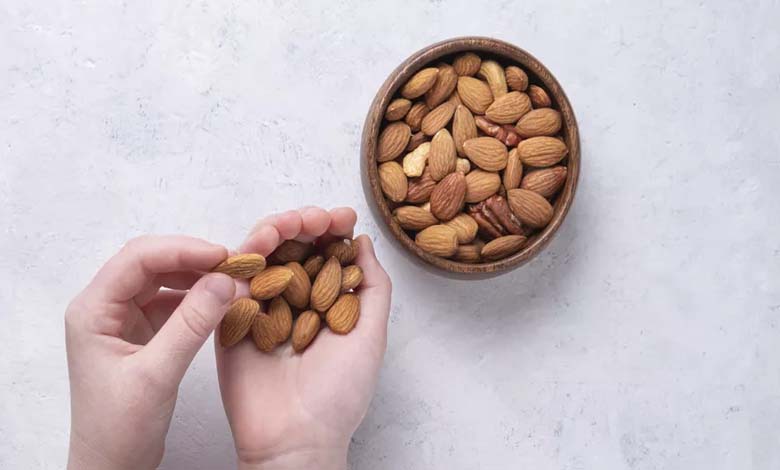
In recent years, plant-based beverages made from almonds, soy, oats, or rice have gained significant popularity. Marketed as alternatives to cow’s milk, they appeal to many families for ethical, environmental, or dietary reasons. However, several health authorities and pediatric nutrition experts have issued warnings regarding the regular consumption of almond and soy beverages by young children, particularly when these drinks fully replace breast milk, infant formula, or age-appropriate milk.
These warnings are based on nutritional, metabolic, and developmental considerations that require careful examination.
-
A Handful of Almonds a Day: A Natural Ally for Blood Pressure, Sugar, and Triglycerides
-
Half a Cup of Almonds a Day: Natural Protection for Your Body’s Cells
Fundamental Differences Between Plant-Based Beverages and Infant Nutrition
It is crucial to distinguish between plant-based beverages intended for the general public and infant formulas specifically designed to meet the nutritional needs of babies and young children. Almond and soy drinks available in supermarkets are not formulated to serve as complete nutritional substitutes for breast milk or infant formula.
Breast milk and infant formulas provide a carefully balanced composition of proteins, fats, carbohydrates, vitamins, and minerals essential for rapid brain and body development during early life. In contrast, many plant-based beverages contain lower protein levels, different lipid profiles, and sometimes insufficient amounts of calcium, vitamin D, or vitamin B12, even when fortified.
-
Overconsumption of Almonds: Hidden Effects That May Threaten Your Health
-
Is Eating Almonds Daily Beneficial for Weight Loss?
Risk of Nutritional Deficiencies
Growing children have particularly high requirements for high-quality protein. Proteins are essential for muscle development, immune system maturation, and tissue growth. Almond beverages, often highly diluted, typically contain minimal protein. If they replace milk without adequate dietary compensation, protein deficiency may occur.
Calcium and vitamin D are critical for bone mineralization. Although some plant-based beverages are fortified, the bioavailability of added nutrients can vary. Exclusive or predominant consumption without nutritional monitoring may compromise skeletal development.
Vitamin B12 is another important consideration, particularly in vegetarian or vegan diets. Prolonged deficiency may lead to neurological and hematological disorders.
-
Eggs or Almonds? A Comparison of Their Protein Content
-
The Side Effects of Consuming Too Many Almonds
Specific Considerations Regarding Soy Beverages
Soy beverages contain more protein than almond-based drinks. However, they also contain phytoestrogens, particularly isoflavones, which have raised questions about their potential effects on hormonal development in children.
Current scientific evidence does not conclusively demonstrate systematic harm from moderate, age-appropriate consumption. Nevertheless, experts recommend caution, especially for infants and young children, when these beverages are not specifically formulated for pediatric use.
-
Gluten: Why Has It Become a Source of Allergy and Intolerance?
-
Extra Virgin Olive Oil: How It Protects You from Disease
Context of Allergies and Intolerances
In certain medical situations, such as cow’s milk protein allergy or lactose intolerance, alternatives may be necessary. However, such substitutions should occur under medical supervision.
There are specialized soy-based infant formulas designed for babies with specific clinical indications. These products differ fundamentally from standard plant-based beverages in formulation and nutritional control.
-
How Low Magnesium Levels Affect Your Health
-
Can you lower cholesterol without taking statins? A comprehensive analysis of natural and scientific alternatives
Impact on Dietary Habits
The normalization of plant-based beverages may also influence children’s dietary patterns. When perceived as nutritionally equivalent to milk, the risk of imbalance increases. Parental and caregiver education in nutrition plays a crucial role in preventing inappropriate substitutions.
For older children who consume a diverse and balanced diet, occasional intake of plant-based beverages may be compatible with healthy eating, provided essential nutrient intake is maintained.
-
Does Milk Really Strengthen Bones? Scientific Analysis and Recommendations
-
Magnesium deficiency: the hidden cause behind insomnia and fatigue
Recommendations from Health Professionals
Health authorities recommend that during the first years of life, breast milk or infant formula remain the primary sources of milk-based nutrition. After one year of age, cow’s milk or appropriate alternatives may be introduced depending on individual needs.
Any decision to replace milk with a plant-based beverage in young children should involve consultation with a healthcare professional to prevent deficiencies and ensure adequate nutritional intake.
-
Nuts: The Secret to Health and Fitness Despite Their High Calorie Content
-
Does Magnesium Help Relieve Menstrual Pain?
Almond and soy beverages are not inherently harmful, but their inappropriate use as complete milk substitutes in young children may pose significant nutritional risks. Early growth and development require careful attention to the quality and balance of dietary intake.
An informed approach, grounded in medical guidance and a clear understanding of children’s specific nutritional needs, remains essential to ensure healthy growth and optimal development.
-
Does Zinc Really Help to Overcome the Common Cold Faster?
-
Home remedies or medical treatments: what is best for dealing with kidney stones?