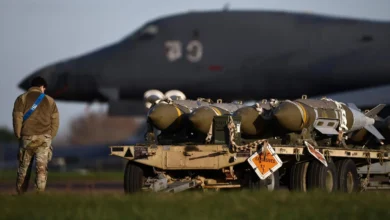
U.S. pressure to redraw NATO’s mission map, with Iraq at the forefront
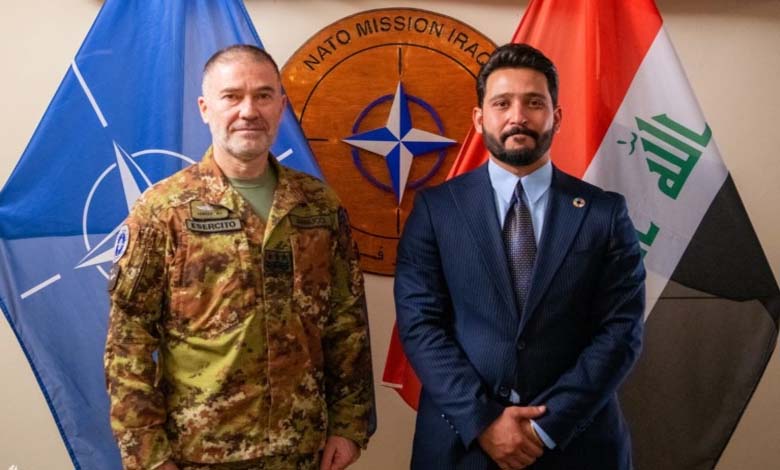
Washington is seeking to reorder NATO’s external priorities, placing the advisory mission in Iraq among the key files under review.
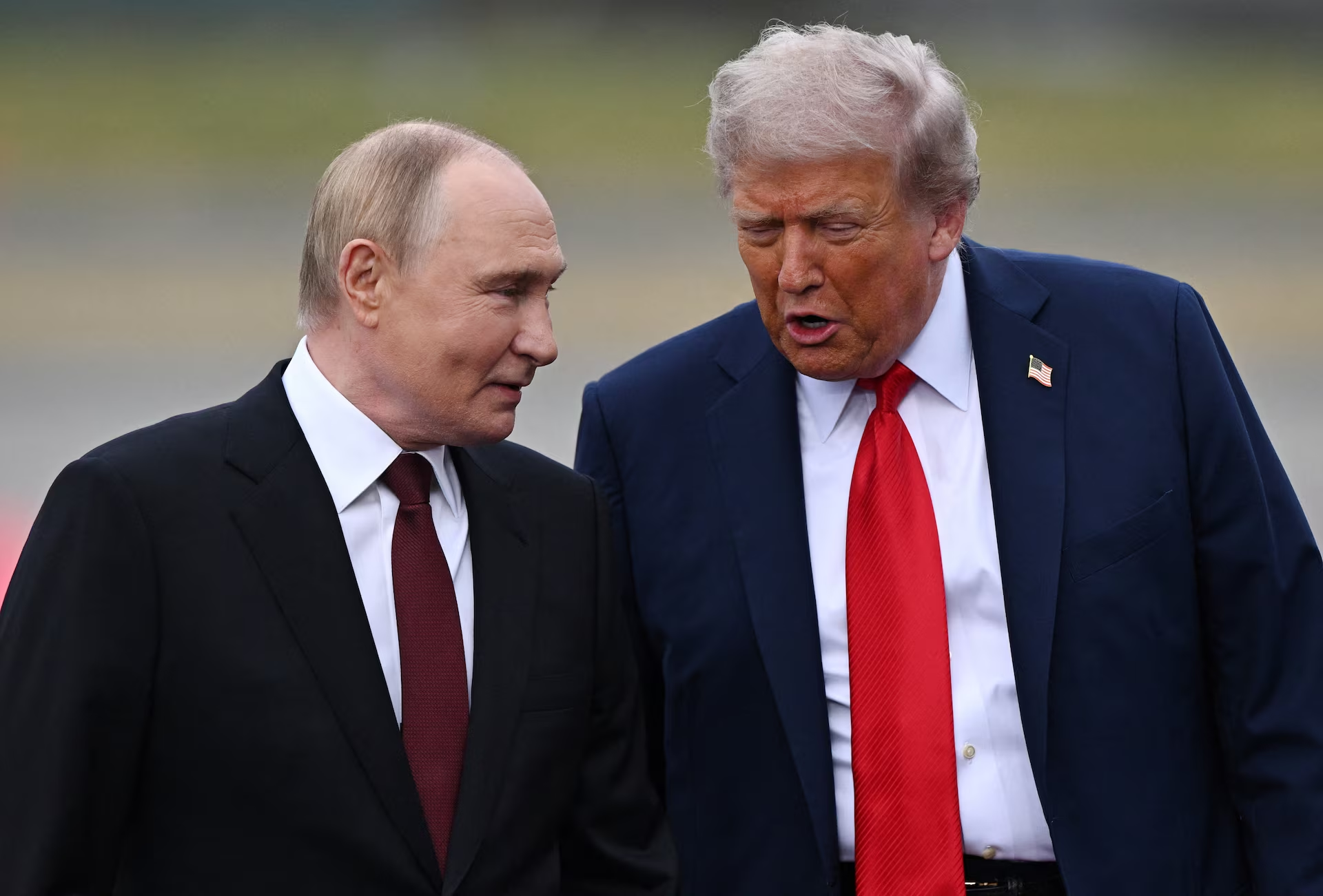
Four NATO diplomats told Politico that the administration of President Donald Trump is pushing to scale back a number of the Alliance’s external activities, including ending a key mission in Iraq.
According to the sources, this pressure from Washington is internally referred to as a “return to the previous status.”
-
Kurdistan’s security and the dismantling of militias are conditions set by Washington for supporting Iraq
-
Iraqi Leader Reveals Baghdad’s Handling of the Dollar Crisis with Washington and the Collapse of the Currency
The newspaper noted that the United States has recently pressed to reduce NATO peacekeeping operations in Kosovo and to prevent Ukraine and the Alliance’s Indo-Pacific partners from formally participating in the annual summit scheduled for July in Ankara.
This effort reflects a White House shift toward treating NATO as a strictly Euro-Atlantic defensive alliance, moving away from decades of expansion into crisis management, global partnerships, and value-based initiatives—areas that have long drawn criticism from the U.S. president and his political base.
Under this approach, NATO would scale back so-called “out-of-area activities” that go beyond its core missions of defense and deterrence.
Such a move could quickly curtail NATO activities in former war zones and exclude capitals such as Kyiv and Canberra from formal discussions this summer.
-
Iraq’s Unemployment Dilemma Becomes a Time Bomb
-
The United States leaves Syria… and fears of the nightmare returning
“NATO 3.0”
These developments follow recent remarks by U.S. Deputy Secretary of Defense Elbridge Colby outlining the administration’s vision for what he termed “NATO 3.0.”
Addressing NATO defense ministers last week, Colby stated: “Not every mission can be top priority, and not every capability can be optimized to the maximum.” He nonetheless reaffirmed the United States’ commitment to European security.
He added that “the true measure of seriousness lies in the ability of European forces to fight, endure, and prevail in the most critical scenarios for the defense of the Alliance.”
-
Islamic State detainees transferred to Iraq: one prison and food costs covered by the coalition
-
Deserted streets and closed shops: Hasakah awaits Syrian government forces
The U.S. campaign has drawn negative reactions from some allies. One diplomat argued that abandoning NATO’s external initiatives “is not the right approach,” emphasizing that “partnerships are essential to deterrence and defense.”
Since returning to the White House last year, Trump has reduced U.S. overseas commitments, withdrawn troops and NATO personnel from Europe, and reassigned some senior leadership roles within the Alliance to Europeans, seeking to refocus U.S. foreign policy on what he calls “core national security.”
-
ISIS prisons in Syria raise Iraqi concerns: vigilance and border measures
-
Accusations against Iran of using Iraqi militias to suppress protests
NATO in Iraq
NATO maintains an advisory mission in Iraq aimed at strengthening security institutions and preventing the resurgence of ISIS.
The mission was established under Trump in 2018 and later expanded at Baghdad’s request.
According to the sources, Washington wants it to end by September. The United States is also set to withdraw approximately 2,500 troops under a 2024 agreement with the Iraqi government, as part of Trump’s pledge to end “endless wars” in close coordination with Baghdad.
-
Washington targets Iran’s weapons supply lines beyond Gulf waters
-
Washington holds Iraq’s upcoming government responsible for dismantling militias
Tamer Badawi, an Iraq expert and associate fellow at the Centre for Applied Research in Partnership with the Orient Research Centre, said the NATO mission is not in itself “critical” to the country’s security.
However, he warned that canceling it alongside a U.S. withdrawal could strengthen armed groups and destabilize the Kurdistan Regional Government.
The U.S. request has also faced opposition within the Alliance. “This is not the time to leave Iraq… the government wants us there,” one diplomat said.
Another noted that the “majority” of allies agree on reducing the Iraq mission, but over a longer period and while maintaining a smaller presence.
-
Aftermath of the Washington Attack: U.S. Reduces Work Permit Duration for Refugees
-
First joint operation between Damascus and the international coalition against ISIS
NATO and Kosovo
The United States has also signaled its desire to end the NATO-led Kosovo Force (KFOR), according to four diplomats, raising greater concern among European allies, even though discussions remain at an early stage.
The UN-mandated international peacekeeping mission, launched in 1999 following the Yugoslav wars, currently includes around 4,500 troops.
Engjellushe Morina, a policy fellow at the European Council on Foreign Relations, said the mission remains “essential” to regional security.
-
The Washington attack brings it back into the spotlight… What do we know about the National Guard?
-
Collapse of aid fuels the rise of ISIS, as Mozambique stands on the brink of a new explosion
Reactions and reservations
Some allies have objected to recalibrating NATO’s missions, arguing that international partnerships are vital for deterrence and defense.
Diplomats confirmed that most allies agree on scaling down the Iraq mission, but over a longer timeframe and with a limited continued presence.
The July summit in Ankara
Regarding the July summit, Oana Lungescu, former NATO spokesperson and senior fellow at the Royal United Services Institute in London, said keeping partner countries on the sidelines “would send a signal that the focus may be more on NATO’s core business.”
-
Washington Conditions Any Withdrawal from Iraq on the Dismantling of Pro-Iran Militias
-
Turkey extends its military presence in Iraq, Syria, and Lebanon
She added that NATO “will announce partner participation in due course.”
Meanwhile, NATO staff have proposed canceling the public forum traditionally held alongside the annual summit—an event that brings together heads of state, defense experts, and government officials in panel discussions and typically enhances the summit’s visibility.
A NATO official confirmed that the Alliance “has decided not to organize a public forum this year,” though it will host a defense industry forum on the sidelines of the Ankara summit.
-
Al-Sadr and Al-Sistani… a meeting reshuffles the cards ahead of Iraq’s parliamentary elections
-
Fears of a New Revolutionary Guard: Iraq Divided Over the Popular Mobilization Forces Law
NATO staff have told member capitals that the move is intended to cut costs amid resource constraints. However, two diplomats believe it may be indirectly driven by U.S. pressure, given Washington’s broader campaign to reduce funding for international organizations.
Lungescu noted that the cancellation aligns with a “scaling back of the public diplomacy division” under NATO Secretary General Mark Rutte, who has sought to streamline and restructure the department since taking office in late 2024.
At a time when the Alliance is attempting to persuade public opinion of the value of its activities and increased defense spending, however, this move is considered “highly damaging,” according to a third diplomat cited by Politico.
-
Renewed Clashes Between Druze and Bedouin Tribes Prompt Government Forces to Return to Suwayda
-
Washington Reveals Iranian Plan to Close Strait of Hormuz During War with Israel
-
Washington evacuates its nationals from the Middle East in preparation for any emergency