Should You Brush Your Teeth After Every Meal? Scientific Analysis and Practical Recommendations
Oral hygiene is a fundamental pillar of overall health. Regular tooth cleaning not only prevents cavities and periodontal diseases but also contributes to cardiovascular and metabolic well-being. Among the most common questions in this field is whether it is necessary to brush your teeth after every meal.
While brushing immediately after eating seems logical to remove food residues and limit oral acidity, professional recommendations vary depending on the type of food, brushing technique, and individual risk factors.
-
Excessive tooth brushing: potential health risks
-
When Should You Replace Your Toothbrush to Prevent Disease?
Oral Physiology and Plaque Formation
Dental plaque is a biofilm composed of bacteria, food particles, and salivary proteins. It naturally forms on the tooth surface within a few hours after cleaning. If plaque is not regularly removed, it can mineralize into tartar, a key factor in cavities and gingivitis.
Bacteria in plaque convert sugars and carbohydrates into acids that attack tooth enamel. Repeated acid exposure leads to demineralization, which, over time, results in cavities.
-
Not Brushing Teeth Leads to Deadly and Serious Disease
-
Do weight-loss injections affect breath odor?
Brushing After Every Meal: Benefits and Limitations
Brushing after every meal has undeniable advantages. It quickly removes food particles, reduces oral acidity, and limits bacterial proliferation. For individuals consuming sugary or starchy foods, post-meal brushing can lower the risk of cavities.
However, precautions are necessary. Brushing immediately after acidic foods, such as citrus fruits or carbonated beverages, can damage enamel because it is temporarily softened by acid. In these cases, waiting 30 to 60 minutes allows saliva to neutralize the acid and remineralize enamel before brushing.
-
How does cleaning your teeth help prevent dementia?
-
The potential role of garlic as an alternative to mouthwash
The Importance of Brushing Technique and Toothpaste
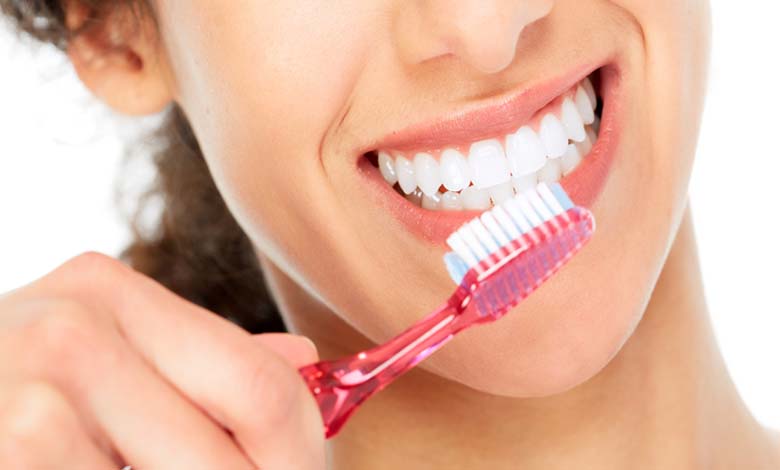
The choice of toothbrush and toothpaste also affects cleaning efficacy and safety. Soft-bristled brushes are recommended to avoid enamel and gum abrasion. Fluoridated toothpaste is essential for strengthening enamel and preventing cavities.
Gentle, thorough brushing, including inner and outer surfaces of teeth and the tongue, ensures optimal plaque removal without damaging tissues. Dental floss or interdental brushes are complementary, particularly for preventing interproximal cavities and periodontal disease.
-
Excessive personal hygiene can become a health risk for women
-
Scientific study: a potential link between Alzheimer’s disease and a bacterial infection originating in the gums
Alternatives and Complementary Practices
When immediate brushing is not possible, certain alternatives help limit acidity and bacterial growth. Rinsing the mouth with water, chewing sugar-free gum, or consuming neutral foods like cheese can stimulate saliva production and promote remineralization.
The generally recommended brushing frequency remains twice daily, morning and evening, combined with daily interdental cleaning. This routine, along with regular dental check-ups, strikes the best balance between effective protection and enamel preservation.
-
Standing on One Leg: A Simple Exercise to Strengthen Your Brain
-
How Root Canal Treatment Contributes to Heart Health
Implications for Overall Health
Inadequate oral hygiene does not only affect the mouth. It is associated with an increased risk of systemic diseases, including cardiovascular conditions, diabetes, and certain respiratory infections. Maintaining optimal dental health therefore contributes to overall prevention and well-being.
Brushing teeth after every meal can provide benefits for oral health by limiting plaque formation and reducing post-meal acidity, especially following sugary foods. However, immediate brushing after acidic foods should be avoided to protect enamel.
The professional recommendation remains brushing twice daily with fluoridated toothpaste, complemented by interdental cleaning and regular dental visits. Additional measures, such as rinsing with water or chewing sugar-free gum, can be useful when brushing is not immediately feasible. Rigorous oral hygiene is a key factor for overall health and the prevention of systemic diseases.
-
Gum Diseases: A Risk Factor for White Matter Damage in the Brain
-
Do Not Share Bathroom and Personal Hygiene Tools: An Essential Health Precaution
-
Is It Safe to Use Expired Makeup?