A new epilepsy treatment: removing senescent brain cells as a therapeutic pathway
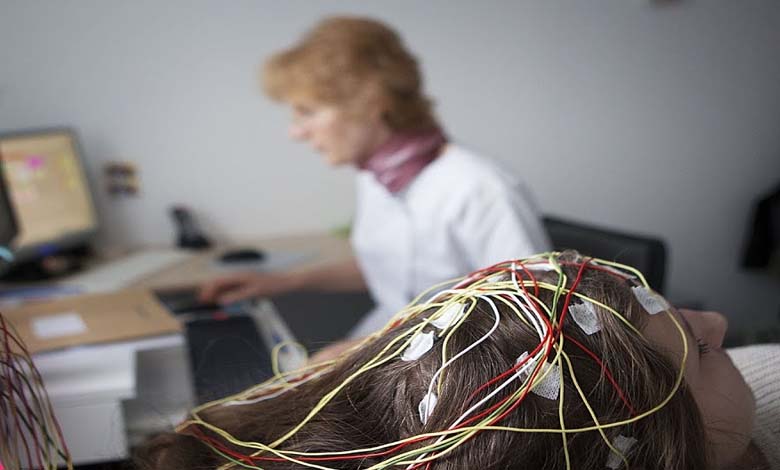
Epilepsy is one of the most common chronic neurological disorders worldwide. It is characterized by recurrent seizures caused by abnormal electrical activity in the brain. Although many medications are available, a significant number of people continue to experience seizures that are difficult to control. This reality pushes scientists to explore new and more targeted treatments.
Recently, researchers have begun studying an innovative idea: targeting senescent, or aging, brain cells in order to reduce brain inflammation and lower seizure susceptibility. While still under investigation, this concept is generating strong interest.
What are senescent cells?
Senescent cells are cells that have stopped dividing but remain present in the body. They no longer work efficiently and release inflammatory substances that can disturb surrounding tissues. Over time, they may contribute to tissue dysfunction and accelerate biological aging.
In the brain, their accumulation has been linked to age-related disorders. Scientists now believe they might also play a role in epilepsy, especially in cases that do not respond well to conventional medication.
Inflammation, brain aging, and seizures
Chronic inflammation in the brain is known to increase the risk of seizures. Because senescent cells promote inflammation, they may make neurons more excitable and unstable.
From this perspective, removing these dysfunctional cells could reduce inflammation and help stabilize brain activity, thereby lowering seizure frequency.
How does the experimental treatment work?
Researchers are experimenting with drugs known as senolytics. These compounds are designed to selectively remove senescent cells while preserving healthy ones. In animal models, senolytics have been associated with fewer and milder seizures, as well as improved neurological function.
This approach differs from traditional anti-seizure medications, which mainly act on electrical signals and neurotransmitters. Instead, senolytics aim to change the cellular environment and address what might be one of the underlying drivers of epilepsy.
Potential benefits
If proven effective, this strategy could bring several advantages:
- Reduced chronic brain inflammation
- Lower seizure frequency
- Improved quality of life in treatment-resistant patients
- Possible benefits for other conditions linked to cellular aging
However, enthusiasm must be balanced with caution. Evidence is still preliminary.
Challenges and remaining questions
Key issues remain:
- Long-term safety of removing senescent cells
- Appropriate treatment duration and dosing
- Differences between patients and epilepsy types
- Interactions with current anti-seizure medications
Because the brain is highly complex, manipulating its cellular composition requires exceptional care. Human clinical trials are essential before any approval.
Where does this leave current treatment?
For now, this experimental pathway does not replace existing options. Standard medications, medical monitoring, lifestyle guidance, and in some cases surgery, remain essential parts of epilepsy care.
In the future, senolytic therapy may become an additional tool, particularly for those who do not respond to current treatments. It reflects a broader shift in medicine:
moving beyond symptom control toward treating biological mechanisms at their source.
Removing senescent brain cells as a therapeutic strategy represents an exciting scientific frontier. It holds the promise of more precise and effective epilepsy treatments. Yet more research is necessary to confirm its safety and effectiveness.
Between hope and caution, this line of research brings us closer to understanding how the brain functions and how we might better protect it against chronic neurological disease.