Before or After Iftar? The Best Time to Exercise During Ramadan
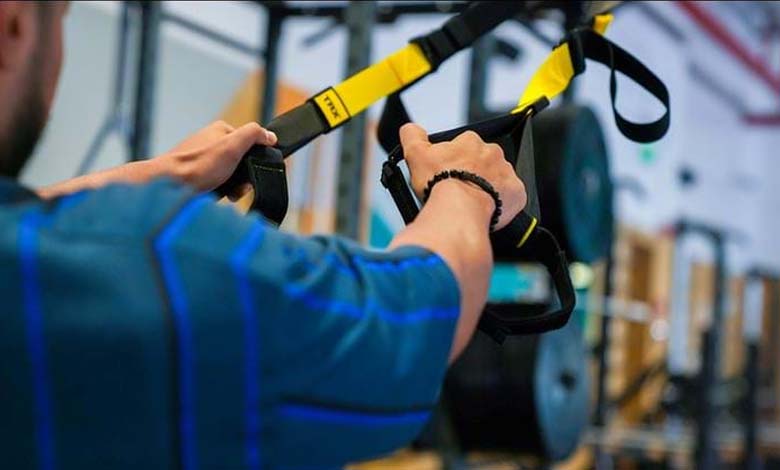
Ramadan is a significant spiritual period marked by daily fasting from dawn to sunset. This abstinence from food and fluids substantially alters biological rhythms, energy metabolism, and daily organization. Within this context, a common question arises: should one exercise before iftar while still fasting, or after breaking the fast when energy stores have been partially restored?
The optimal timing depends on several factors, including personal goals, training level, health status, fasting duration, and sleep quality. A scientific and individualized approach allows for maximizing the benefits of exercise while respecting the physiological constraints of fasting.
-
Important Health Tips to Remember During Ramadan’s Iftar
-
How to Avoid Headaches During the First Days of Ramadan?
Physiological Adaptations During Fasting
During the fasting day, the body progressively mobilizes its energy reserves. After liver glycogen stores decline, fat oxidation increases to maintain energy supply. Meanwhile, hydration levels gradually decrease, particularly in warm climates or during long fasting hours.
These changes influence physical performance. The ability to sustain high-intensity effort may decline toward the end of the day, and dehydration may increase the risk of discomfort if exercise intensity is not adjusted.
-
Top 3 Nuts for Burning Belly Fat in Ramadan
-
Simple Tips to Improve Your Diet During the Month of Ramadan
Exercising Before Iftar
Training shortly before breaking the fast offers certain advantages.
First, it promotes fat oxidation, as the body is already in a state of increased lipid utilization. For individuals aiming at weight management or improved insulin sensitivity, this timing can be beneficial if intensity remains moderate.
Second, the proximity of iftar allows immediate rehydration and nutritional replenishment after exercise, limiting prolonged dehydration and supporting recovery.
However, caution is required. Intense or prolonged workouts may increase fatigue, dizziness, or performance decline, especially among untrained individuals. Moderate activities such as brisk walking, light resistance training, or mobility exercises are generally recommended.
-
Ramadan: this special breakfast recipe to hold the whole day of fasting
-
When Fasting Becomes a Golden Opportunity for Your Health
Exercising After Iftar
Training after breaking the fast is often considered physiologically safer. Rehydration and carbohydrate intake partially restore energy reserves, allowing for higher-intensity sessions.
For individuals seeking to maintain muscle mass or enhance performance, exercising one to two hours after a light meal may be optimal. This timing improves exercise tolerance and recovery efficiency.
Nevertheless, exercising immediately after a heavy meal may cause digestive discomfort and reduced performance. A lighter iftar followed by training, then a more complete meal later in the evening, is often a balanced approach.
-
Is peanut butter harmful to cholesterol or beneficial for the heart?
-
Nuts: The Secret to Health and Fitness Despite Their High Calorie Content
Key Determinants of Timing
Training level is crucial. Experienced athletes may tolerate fasted exercise better, whereas beginners should prioritize sessions that allow proper hydration and energy intake beforehand.
Fasting duration and climate also matter. In regions with long, hot days, pre-iftar exercise should remain moderate to avoid excessive dehydration.
Sleep quality is another essential factor. Shortened or fragmented sleep may impair recovery and increase fatigue risk, making session planning critical.
Specific Goals
For fat loss, moderate exercise before iftar may be beneficial if well tolerated.
For muscle maintenance or development, post-iftar training is generally preferable due to improved protein and carbohydrate availability, supporting muscle protein synthesis and recovery.
For cardiovascular health and general well-being, both options are valid if intensity is adapted and hydration is sufficient during non-fasting hours.
-
Why are women more prone to anterior cruciate ligament injuries than men?
-
The ketogenic diet opens new horizons for treating drug-resistant depression
Practical Recommendations
- Adjust intensity and duration appropriately.
- Avoid prolonged maximal efforts.
- Ensure adequate hydration between iftar and suhoor.
- Maintain balanced nutrition with complex carbohydrates, proteins, and micronutrients.
- Monitor signs of excessive fatigue or dizziness.
-
Opening windows can save your health… but not at any time
-
A study reveals a striking link between depression and osteoporosis
The best time to exercise during Ramadan depends on individual goals, training level, and personal conditions. Pre-iftar sessions may enhance fat oxidation, while post-iftar workouts generally support better performance and recovery.
Ultimately, listening to one’s body, adjusting intensity, and prioritizing sleep and hydration are essential. A balanced and thoughtful exercise routine during Ramadan supports not only physical fitness but also overall well-being throughout this unique month.
-
Can the Human Papillomavirus Vaccine Reduce the Need for Cervical Cancer Screening?
-
Why Do You Still Feel Hungry Despite Eating Enough Protein?