Between benefit and toxicity: why moderation is recommended with Brazil nuts
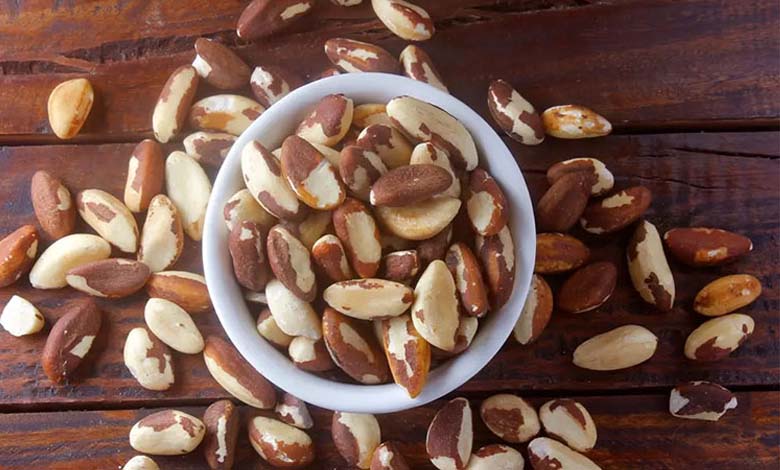
In modern nutrition, certain foods stand out for their exceptional nutrient density but also for their potential risks when consumed excessively. Brazil nuts are a prime example. Known for their high selenium content and essential nutrients, they are often regarded as a highly beneficial food. However, this same richness can become problematic when intake exceeds physiological needs. A deeper analysis helps explain why moderation is strongly recommended.
Nutritional composition and micronutrient density
Brazil nuts are a concentrated source of fats, primarily unsaturated fatty acids, which support cardiovascular health. They also contain proteins, fiber, B vitamins, and vitamin E.
Their most remarkable feature, however, is their exceptionally high selenium content, an essential trace element. Selenium plays a key role in antioxidant systems, particularly as a component of enzymes involved in protecting cells against oxidative stress.
The role of selenium in the body
Selenium is essential for numerous biological functions. It contributes to immune system regulation, cellular protection against oxidative damage, and proper thyroid function.
At appropriate levels, it supports the prevention of certain chronic diseases. However, the margin between optimal intake and excess is relatively narrow, making intake management particularly important.
Risk of toxicity: selenosis
Excessive consumption of Brazil nuts can lead to selenium accumulation in the body, resulting in a condition known as selenosis. This form of toxicity can manifest through symptoms such as digestive disturbances, fatigue, hair loss, nail abnormalities, and in more severe cases, neurological issues.
Selenosis results from prolonged imbalance and may have lasting health consequences. Given the high selenium content of Brazil nuts, even moderate but regular consumption can, in some cases, exceed recommended intake levels.
Variability in selenium content
An often overlooked aspect is the significant variability in selenium content among Brazil nuts. This variation largely depends on the soil composition in which the trees are grown.
Some nuts may contain particularly high concentrations, making it difficult to accurately estimate selenium intake. This uncertainty reinforces the need for cautious consumption.
Effects on the thyroid and hormonal balance
Selenium plays a crucial role in the conversion of thyroid hormones. Adequate intake is essential for proper thyroid function, but excessive intake may disrupt this balance.
Overconsumption can lead to hormonal imbalances, affecting overall metabolism. This highlights the importance of maintaining an intake that is neither deficient nor excessive.
Caloric intake and energy density
Beyond selenium, Brazil nuts are also high in calories due to their fat content. Excessive consumption may contribute to increased energy intake, potentially affecting body weight.
Thus, even in the absence of selenium toxicity, lack of moderation may have metabolic implications.
Recommendations and moderation
Nutrition experts generally recommend limiting Brazil nut consumption to about one to two nuts per day. This amount allows individuals to benefit from selenium’s positive effects without exceeding safe intake levels.
It is also important to consider overall dietary patterns to avoid cumulative selenium intake from multiple sources.
Integration into a balanced diet
Brazil nuts can be included in a varied and balanced diet as an occasional source of nutrients. They can complement other micronutrient-rich foods, provided moderation is maintained.
This approach allows individuals to benefit from their nutritional value while minimizing potential risks.
Conclusion
Brazil nuts perfectly illustrate the balance between benefit and toxicity in nutrition. Their exceptional selenium content makes them potentially beneficial, but also risky when consumed excessively.
Moderation is therefore essential to enjoy their advantages without compromising health. A measured intake, integrated into a balanced dietary pattern, enables individuals to maximize benefits while avoiding adverse effects.