Can the Human Papillomavirus Vaccine Reduce the Need for Cervical Cancer Screening?
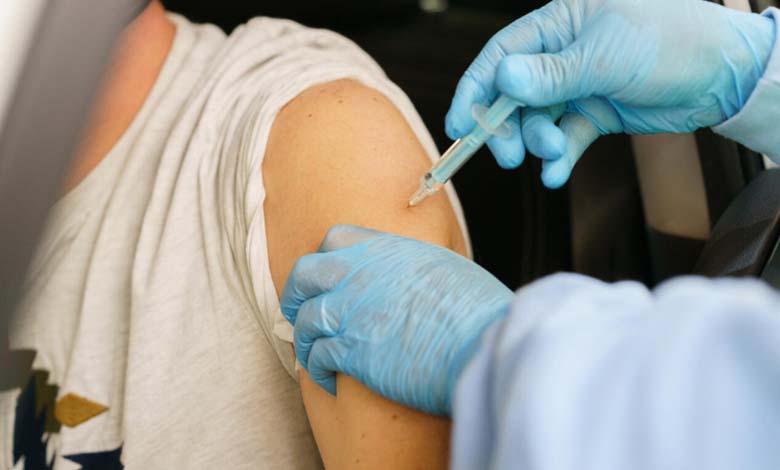
Cervical cancer remains a major public health concern worldwide, despite significant advances in prevention and early detection. The discovery of the strong link between human papillomavirus infection and the development of cervical cancer has profoundly reshaped prevention strategies. Today, the human papillomavirus vaccine is widely recognized as one of the most effective preventive tools available. This progress raises an important question: could widespread vaccination lead to a reduced frequency of cervical cancer screening?
Human papillomavirus includes more than two hundred virus types, some of which are considered high risk due to their carcinogenic potential. HPV types 16 and 18 are responsible for the majority of cervical cancer cases. Vaccination specifically targets these high-risk strains, significantly lowering the long-term risk of precancerous lesions and invasive cancer.
Since the introduction of vaccination programs in many countries, epidemiological data have shown a marked decline in HPV infections and cervical abnormalities among vaccinated populations. These findings support the view that vaccination provides durable and effective protection, with the potential to reshape the overall landscape of cervical cancer prevention.
In this context, experts have begun to reconsider screening strategies. Traditionally, regular Pap smear tests have played a crucial role in the early detection of cellular abnormalities, greatly reducing cervical cancer mortality. However, among vaccinated women, the likelihood of developing lesions linked to the most dangerous HPV types is considerably lower. This shift has prompted discussions about extending screening intervals or adjusting current screening protocols.
It is important to emphasize, however, that the vaccine does not protect against all oncogenic HPV types. Even with high vaccination coverage, a residual risk remains. As a result, screening continues to be a cornerstone of prevention, even for vaccinated individuals. Current debates focus more on optimizing screening frequency and methods rather than eliminating screening altogether.
The gradual transition toward HPV-based screening tests, which directly detect the presence of the virus rather than relying solely on cytological analysis, aligns with this evolving approach. In vaccinated populations, such tests could be performed at longer intervals while maintaining a high level of safety. This strategy may reduce the medical and psychological burden associated with frequent examinations without compromising early detection.
From a public health perspective, a carefully considered reduction in screening frequency could also contribute to more efficient use of healthcare resources. Health systems could prioritize non-vaccinated or high-risk groups, while continuing to promote vaccination as a primary prevention strategy.
In conclusion, the human papillomavirus vaccine has the potential to significantly reduce the incidence of cervical cancer and, over time, influence screening practices. However, any modification of existing protocols must be based on robust scientific evidence and account for residual risk. Vaccination and screening remain complementary measures, forming an integrated and effective approach to protecting women’s health.