Clothes Suddenly Feeling Tight: An Early Sign of Chronic Disease

Many people notice that clothes that once fit perfectly suddenly feel tight without an obvious reason. While this can sometimes result from temporary weight fluctuations or dietary and hormonal changes, it may also be an early sign of underlying chronic disease. Recognizing these warning signals can help anticipate diagnosis, implement proper medical follow-up, and prevent disease progression.
Common and Concerning Causes
-
Cold-water baths in winter: healthy habit or harmful practice?
-
How to Avoid Bloating and Indigestion During Ramadan
Water retention and edema
Fluid retention is a frequent cause of rapid body volume increase, making clothes feel tighter. It is often associated with kidney, liver, or heart problems. In these cases, the body retains more fluid than necessary, causing swelling in the legs, abdomen, and sometimes the face.
Careful observation, especially if accompanied by fatigue, shortness of breath, or rapid weight gain, warrants medical consultation.
Insulin resistance and type 2 diabetes
-
How to Increase Fiber Intake Without Experiencing Bloating
-
Mental Hunger: How Does the Desire for Food Develop?
A less obvious but highly significant phenomenon is increased abdominal circumference due to insulin resistance. In some individuals, especially around the waist, the body may store more fat even without major dietary changes. Central fat storage is an early indicator of type 2 diabetes and metabolic syndrome.
Monitoring sudden waist enlargement or noticing that pants feel tighter can provide an early warning before classic symptoms like excessive thirst or fatigue appear.
Thyroid disorders
Thyroid dysfunction, such as hypothyroidism, can slow metabolism and cause gradual weight gain, often localized in areas like the trunk and neck. Clothes may gradually feel tighter without changes in diet or physical activity.
Persistent fatigue, chills, dry skin, or hair loss may accompany this early sign and indicate the need for hormonal evaluation.
Chronic inflammation or digestive diseases
-
Early warning signs that may signal a stroke one month before it occurs
-
Caffeine: an effective and surprising remedy for headache relief
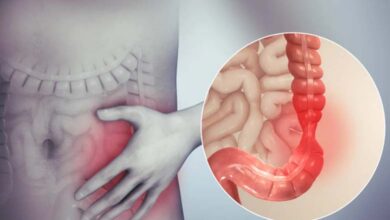
Certain chronic inflammatory conditions, including digestive disorders like Crohn’s disease or ulcerative colitis, can cause abdominal swelling, bloating, and increased abdominal volume. These symptoms often make regular clothing feel tight.
Medical follow-up is essential, as chronic inflammation can impact digestion, nutrition, and overall health.
Associated Symptoms to Watch
In addition to clothes feeling tight, other warning signs include:
- Persistent or unexplained fatigue
- Swelling in limbs or face
- Changes in appetite or digestive issues
- Sleep disturbances
- Shortness of breath or palpitations
-
Why does your left arm hurt during a heart attack?
-
Cousin Marriage: A Greater Risk to Newborns Than Drugs
These combined signs can guide healthcare professionals toward early diagnosis and appropriate management.
Importance of Prevention and Screening
Early identification of chronic disease before progression is crucial. Regular monitoring of blood pressure, weight, waist circumference, blood sugar, and blood panels can help detect subtle abnormalities. Prompt medical consultation allows appropriate treatment, lifestyle modification, and prevention of severe complications.
Suddenly tight clothing may seem trivial but warrants attention. It can reflect changes related to fluid retention, metabolism, hormones, or chronic inflammatory diseases. Being alert to this sign and combining it with other symptoms enables early detection and contributes to the prevention of serious complications.
-
Loss of Smell: An Overlooked Symptom That May Signal Serious Disease
-
Why cold showers can be dangerous in summer