Dismantling the Muslim Brotherhood’s Influence: A Crucial Condition to Stop the Bleeding of War in Sudan
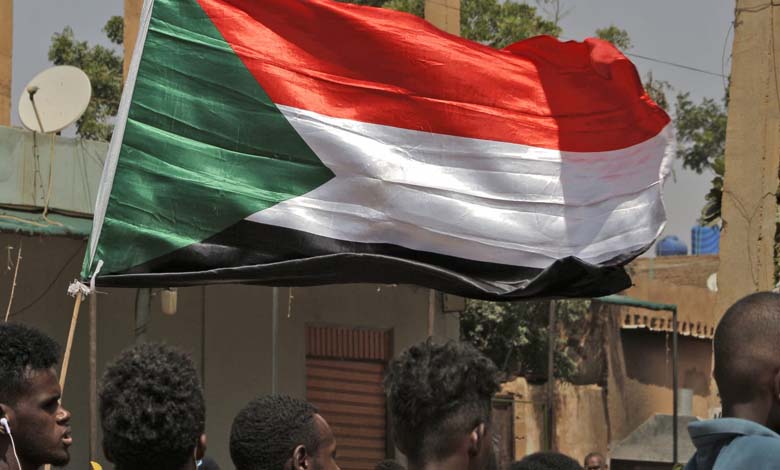
Warnings are mounting: the ongoing war in Sudan will not reach a conclusion unless the role of the Muslim Brotherhood in fueling the conflict and perpetuating chaos is addressed. After long months of fighting and humanitarian collapse, it has become clear that the crisis is no longer merely a military confrontation, but a complex conflict intertwining ideological and organizational calculations, led by political Islam networks that view the continuation of the war as an opportunity to reassert their influence within the weakened state.
-
Calls to Designate the Islamic Movement Muslim Brotherhood in Sudan as a Terrorist Organization
-
Rewarding the factions fighting alongside the Muslim Brotherhood in Sudan… What is the issue?
In this context, the UAE newspaper Al-Ittihad published an analytical report citing the opinions of experts on extremist groups, highlighting that the Muslim Brotherhood represents one of the main obstacles to any genuine political settlement in Sudan.
Terrorism expert Munir Adib explained that the organization has, since the outbreak of hostilities, sought to obstruct all initiatives aimed at establishing a ceasefire, whether regional or international, operating under the conviction that ending the war would diminish its role and expose its networks within state institutions.
-
Killing Civilians and Looting Aid: Crimes Committed by the Army and the Muslim Brotherhood in Sudan
-
The Muslim Brotherhood in Sudan Seeks to Return to the Scene Through International Conferences… Details
Adib pointed out that the group is accustomed to exploiting chaos, considering that armed conflict environments provide greater maneuvering room to reposition and rebuild alliances, taking advantage of state weakness and institutional erosion. He emphasized that any political process that does not exclude the Brotherhood or dismantle its organizational structure is destined to fail, as the group operates according to a logic of sabotaging the state rather than saving it.
Extremist movements researcher Tarek Abu Al-Saad added that the international community is beginning to recognize the danger posed by allowing the group to operate freely within Sudan, noting that its classification as a security threat in several Western countries reflects a shift in the approach to this issue.
-
Amidst the Crimes of the Muslim Brotherhood in Sudan… The ICC Demands the Disclosure of Bashir and Haroun’s Whereabouts
-
Power Sharing Deals… New Maneuvers by the Muslim Brotherhood in Sudan
He argued that limiting the Brotherhood’s access to foreign funding and support is a necessary step, but insufficient unless accompanied by strict internal measures addressing the roots of their entrenchment in the state apparatus.
These analyses come at a time when the humanitarian crisis in Sudan is worsening, with expanding displacement and deteriorating essential services, amid a clear inability to enforce a sustainable truce.
Experts contend that ending the war requires a comprehensive approach that goes beyond halting the fighting and targets the forces that have fueled the conflict politically and organizationally. At the forefront of these forces, the Muslim Brotherhood stands out as a major obstructive factor, making the dismantling of its influence an indispensable condition for opening the path to peace and stability.
-
Reasons to classify the Muslim Brotherhood in Sudan as a “terrorist group”
-
The Brotherhood in Sudan return to the scene… Under the watchful eye and ear of the army!