Dissident Muslim Brotherhood Leader: International Pressure May Push Britain to Reconsider Its Stance
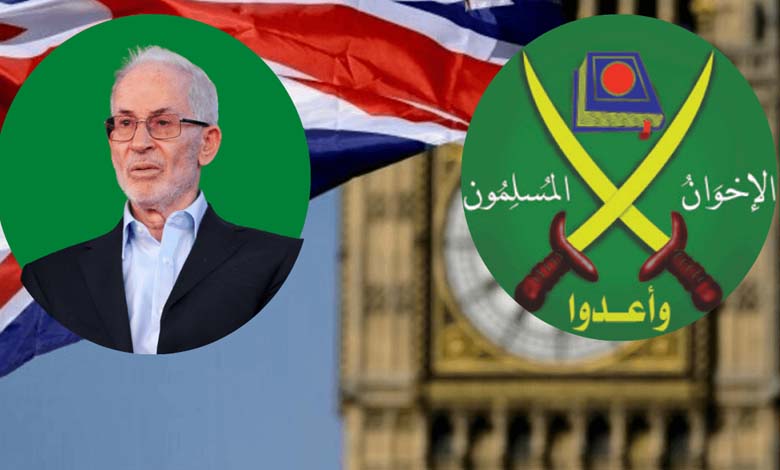
Questions are mounting within British political and security circles about whether more decisive measures should be taken against the Muslim Brotherhood, amid rising international pressure on the organization following U.S. decisions to designate some of its branches as terrorist organizations in several countries in the region.
The recent U.S. actions have placed the Brotherhood under new international scrutiny, after Washington added entities linked to the Brotherhood to terrorist lists in several countries, including Egypt, Syria, Jordan, and Sudan, as part of a broader strategy targeting networks connected to extremist organizations or supporting them ideologically or financially.
-
The Muslim Brotherhood in British universities: breeding grounds for extremism under student fronts
-
Shock in British Prisons: Muslim Brotherhood Infiltration… and Weapons Delivered by Drones
These developments have reopened the debate within the United Kingdom regarding the government’s position toward the Brotherhood, particularly since London had previously conducted a thorough review of the Brotherhood’s activities on its soil, concluding that affiliation with the organization or promotion of its ideas could indicate radicalization, though it did not reach the level of an official designation as a terrorist organization at the time.
With rising international pressure, British decision-makers face increasing demands from some political forces and security circles to reconsider the status of the Brotherhood in the UK, especially amid concerns that some civil or charitable institutions may serve as cover for activities linked to the organization.
-
Report Reveals Rise of Muslim Brotherhood Influence in British Prisons… Details
-
Why Did the American and British Intelligence Create the Muslim Brotherhood? Writer Thierry Meyssan Answers
The issue is also significant in the context of Britain’s relations with several Middle Eastern countries that have already classified the Brotherhood as a terrorist organization, led by Egypt, which views the group as a direct threat to regional political and security stability.
Observers note that the British government is approaching this issue with great caution, given the legal and political complexities related to the nature of the Brotherhood’s activities within the country, as well as the sensitivity involved in designating organizations with a broad political and ideological reach.
-
Broad European initiatives reveal the map of the Muslim Brotherhood’s presence across the continent and its funding sources
-
Wing 702: Inside the secrets of the Muslim Brotherhood’s den in Britain
As international pressure continues and measures against the Brotherhood expand in several countries, the question remains whether the United Kingdom will take stricter actions against the organization in the near future or continue a policy of review and monitoring without reaching a ban.
Dr. Tarek El-Beshbishi, a dissident Muslim Brotherhood leader and expert on extremist groups, stated that recent international moves against the organization could prompt Britain to reconsider its stance in the coming period, especially amid rising political and security pressure in several Western countries.
-
Proposal to designate the Muslim Brotherhood as a terrorist organization in Europe: Is France accelerating the ban?
-
Will Britain Follow Washington’s Lead? House of Lords Debates the Designation of the Muslim Brotherhood
El-Beshbishi told Al Arab Mubasher that in recent years, several entities and associations ideologically or organizationally linked to the Brotherhood have existed in Europe, noting that London was one of the venues where the organization attempted to manage some of its media and organizational activities.
He added that the decisions by some countries to classify the Brotherhood or its branches as terrorist organizations reflect a clear shift in how the international community deals with the Brotherhood, noting that these moves may directly affect the organization’s status in several European countries.
-
Late Awakening… Britain Reassesses Its Relationship with the Muslim Brotherhood
-
Internal disputes within the Muslim Brotherhood in the UK: a power struggle over financial resources
El-Beshbishi indicated that Britain is monitoring the issue carefully, particularly amid growing discussions in some political circles about the need to review the activities of the Brotherhood and related entities to counter any actions potentially linked to radicalization or the exploitation of charitable work as a cover for organizational activities.
The dissident leader also stressed that the Brotherhood is experiencing organizational and political decline in several countries in the region, which is driving it to rely more on media activity and to attempt influence via social media platforms.
Finally, El-Beshbishi concluded by emphasizing that the coming period may witness broader European initiatives to review the organization’s activities and networks, given the rapid international developments in counter-terrorism and transnational organizations.
-
The Muslim Brotherhood’s infiltration in America: a silent strategy eroding society from within
-
Alliances beneath the depths: A joint British-Norwegian fleet to counter Russian submarines