Do Hats Cause Hair Loss? Experts Clarify the Truth
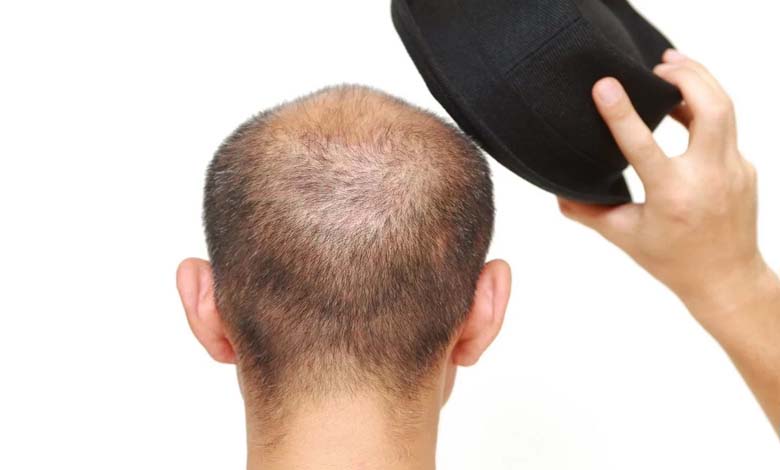
Hair loss is a major concern for many people, both men and women. Among the widespread beliefs circulating for decades is the idea that frequent use of hats, caps, or beanies causes hair loss. This popular notion raises anxiety, especially among young adults and individuals with a family history of baldness.
To separate myths from reality, it is essential to examine the scientific factors behind hair loss and understand the actual role that wearing headgear can have on the scalp and hair follicles.
Main Causes of Hair Loss
Hair loss, or alopecia, can result from several factors:
Genetics and hereditary baldness
The most common form of hair loss in men is androgenetic alopecia, often called male pattern baldness. It is primarily linked to genetics and the sensitivity of hair follicles to androgens, particularly dihydrotestosterone (DHT). In women, a similar pattern can appear due to hormones and family genetics.
This cause is independent of wearing hats and accounts for the majority of cases of progressive baldness.
Stress and environmental factors
Chronic stress, nutritional deficiencies, certain medications, and illnesses can accelerate hair shedding. These factors affect the hair follicle growth cycle and may cause telogen effluvium, a type of temporary but sometimes significant hair loss.
-
Scientific breakthrough could end hair loss problem
-
Elevated Cortisol in Children’s Hair: A Biological Marker of Chronic Stress Linked to Mental Health Issues
Physical trauma and hairstyles
Excessive tension from tight hairstyles or repeated use of hair accessories can lead to traction alopecia. In this context, prolonged and very tight hats or caps could theoretically contribute to localized mechanical stress, but only if the headgear applies constant pressure on the follicles.
The Real Role of Wearing Hats
According to dermatologists and hair specialists, wearing hats, even daily, does not cause hair loss in the majority of people. Key points include:
- No hormonal effect: hereditary baldness is influenced by hormones and genes, not by wearing headgear.
- Scalp ventilation: the scalp maintains proper blood circulation, and moderate hat-wearing does not obstruct it.
- Hygiene: a minor risk exists if a hat is worn for extended periods without proper hygiene, allowing sweat and sebum accumulation, which may contribute to scalp irritation or infections.
-
Loss of Smell as an Early Warning Sign of Alzheimer’s Disease
-
Does Sauna Really Help with Weight Loss? A Scientific Look at the Myth and Reality
Precautions for Safe Hat Wearing
To prevent any secondary issues from frequent hat use:
- Alternate headgear and allow the scalp to breathe.
- Choose breathable and lightweight materials, such as cotton or natural fabrics.
- Maintain regular hygiene of both the hat and the scalp.
- Avoid overly tight designs that exert continuous pressure on the follicles.
Experts agree that wearing hats, caps, or beanies is not a direct cause of hair loss. Hair shedding is mainly influenced by genetics, hormones, stress, and certain environmental factors. However, very tight and poorly maintained headgear may contribute to scalp irritation or slight mechanical tension on the follicles. In practice, proper hygiene, alternating headgear, and using breathable materials are sufficient to protect the scalp and alleviate concerns about daily hat use.
-
The Essential Role of Zinc in Protecting Hair and Skin Health
-
The Impact of Diet and Lifestyle on Premature Graying: How Sugar, Processed Foods, and Smoking Can Affect Hair Pigmentation