Do Plastic Particles in Toothbrushes Pose a Health Risk?
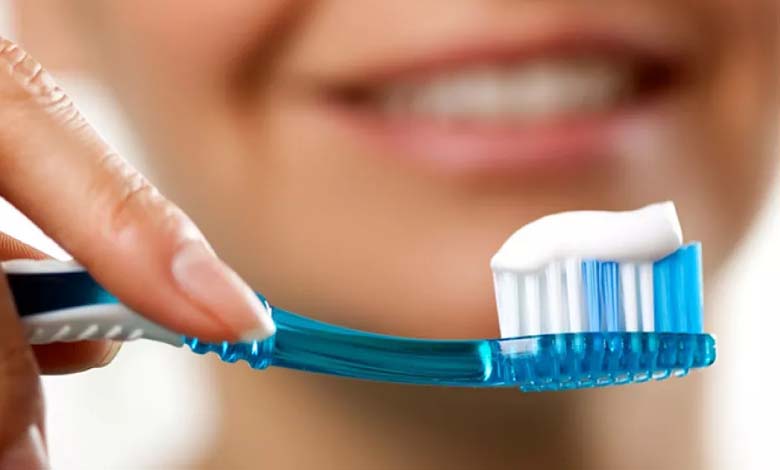
Daily tooth brushing is a fundamental hygiene practice widely recommended to prevent cavities, periodontal disease, and oral infections. However, amid growing concerns about plastic pollution and microplastics, a new question has emerged: could plastic particles from toothbrushes pose a health risk?
This issue arises within a broader scientific context marked by the detection of microplastics in drinking water, food, air, and even certain human tissues. It is therefore important to examine the composition of modern toothbrushes, the potential mechanisms of plastic particle release, and the current scientific evidence regarding possible health effects.
-
Plastic invades dairy products: cheese takes the spotlight
-
“It alters DNA”: The dangers of drinking water from plastic bottles
Composition of Modern Toothbrushes
Most conventional toothbrushes are made from synthetic polymers. The handle is typically composed of polypropylene or other durable plastics, while the bristles are commonly made of nylon, a flexible and resilient synthetic polymer.
These materials are selected for their resistance to moisture, durability, flexibility, and cost-effectiveness. However, like any plastic material subjected to repeated mechanical stress, they may gradually degrade over time.
-
Plastic in Our Plates: Foods Becoming a Health Threat
-
How brain cholesterol affects memory and learning
Mechanical Wear and Microplastic Release
Daily brushing involves friction between bristles and tooth surfaces. This friction, combined with brushing pressure and the abrasive nature of some toothpastes, can gradually wear down nylon filaments.
In theory, such wear could release microscopic plastic fragments. However, the quantities potentially ingested are difficult to measure and appear to be extremely low compared with overall exposure to microplastics from food and environmental sources.
-
Silver Water to Boost Immunity: What Do Experts Really Think of This New Obsession?
-
Bacteria Frozen for 5,000 Years: An Emerging Threat in the Era of Climate Thaw
Microplastics and Human Health
Research on the health impact of microplastics is ongoing. Studies have identified microplastics in certain human tissues, indicating widespread exposure. Nevertheless, a direct causal link between typical environmental exposure levels and clearly defined clinical outcomes has not yet been conclusively established.
Potential concerns include inflammation, oxidative stress, and interactions with chemical additives or environmental contaminants associated with plastics. However, experimental exposure levels often exceed those expected from normal toothbrush use.
-
Cotton Swabs Threaten Ear Health and Increase Earwax Problems
-
Mental Hunger: How Does the Desire for Food Develop?
Comparison with Other Exposure Sources
Most microplastic exposure occurs through dietary intake, including seafood, bottled water, processed foods, and household dust.
In this broader context, the potential contribution of a toothbrush appears marginal. Currently, there is no scientific evidence demonstrating that normal toothbrush use constitutes a significant health risk.
Importance of Regular Replacement
Dental professionals recommend replacing toothbrushes every three months or sooner if bristles become visibly worn. This practice ensures effective cleaning and may also reduce excessive material degradation.
Old toothbrushes with frayed bristles are more likely to deteriorate further. Maintaining proper hygiene and replacing worn brushes minimizes potential micro-fragment release.
-
Can the Gym Become the First Line of Defense Against Depression?
-
Low-carbohydrate diets may increase the risk of heart disease: scientific explanation
Eco-Friendly Alternatives
In response to environmental concerns, alternatives such as bamboo-handled toothbrushes have gained popularity. While bamboo handles reduce reliance on petroleum-based plastics, bristles often remain synthetic for hygiene and performance reasons.
Emerging innovations include bio-based or recyclable polymers. However, ensuring product quality and safety certifications remains essential.
-
Why are women more prone to anterior cruciate ligament injuries than men?
-
The ketogenic diet opens new horizons for treating drug-resistant depression
Risk Assessment
At present, no international health authority has issued specific warnings regarding direct health risks from plastic particles in toothbrushes. The well-documented benefits of regular brushing for oral and systemic health far outweigh the hypothetical risks related to minimal microplastic exposure from toothbrush use.
Nevertheless, continued research into cumulative microplastic exposure and its long-term effects remains important.
-
Opening windows can save your health… but not at any time
-
A study reveals a striking link between depression and osteoporosis
Plastic toothbrushes may theoretically release tiny particles through wear over time. However, current scientific evidence does not indicate a significant health risk associated with this specific source of exposure.
Maintaining good oral hygiene practices remains paramount. Regularly replacing toothbrushes, avoiding excessive brushing pressure, and choosing certified products are simple and rational precautions.
Ultimately, the issue of microplastics represents a broader environmental challenge rather than a major individual health threat linked specifically to everyday toothbrush use.
-
Can the Human Papillomavirus Vaccine Reduce the Need for Cervical Cancer Screening?
-
Why Do You Still Feel Hungry Despite Eating Enough Protein?