Does Wildfire Smoke Increase the Risk of Autism in Children?
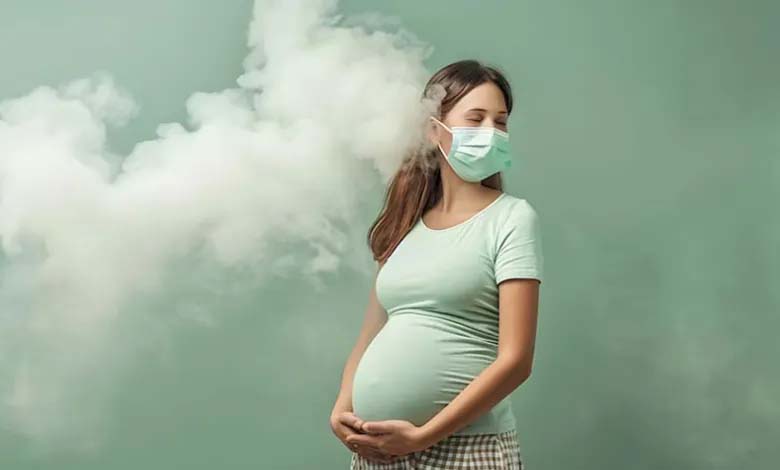
In recent years, wildfires have become more frequent and more intense in many parts of the world, largely due to climate change. Beyond their environmental and economic consequences, these disasters now raise serious public health concerns, particularly regarding the health of the most vulnerable populations, such as pregnant women and young children. Among the emerging questions is the possible link between exposure to wildfire smoke and the risk of autism spectrum disorders in children.
-
Virtual Autism in Children: Worrying Behaviors Caused by Excessive Screen Time
-
Contracting Covid-19 During Pregnancy May Increase the Risk of Autism in Children: A Scientific Hypothesis Under Scrutiny
Autism spectrum disorders are a group of neurodevelopmental conditions characterized by difficulties in communication, impaired social interactions, and repetitive behaviors. Their origin is multifactorial, involving a complex interaction between genetic and environmental factors. While genetics plays a significant role, it alone cannot explain the observed increase in the prevalence of autism, which has led researchers to take a closer interest in early environmental exposures.
Wildfire smoke is a complex mixture of fine particles and toxic chemical substances, such as carbon monoxide, nitrogen oxides, polycyclic aromatic hydrocarbons, and various heavy metals. Fine particulate matter, especially particles smaller than 2.5 micrometers in diameter, can penetrate deep into the lungs and then enter the bloodstream, potentially reaching different organs, including the brain. In pregnant women, these particles can cross the placental barrier and affect fetal development.
-
Study: The Environment Plays a Key Role in the Behavior of Individuals with Autism
-
How Does Autism Affect the Way People Walk?
Several epidemiological studies have suggested a link between prenatal exposure to air pollution and an increased risk of neurodevelopmental disorders, including autism. Although wildfire smoke represents a particular form of air pollution, its components are largely similar to those of chronic urban pollution, sometimes at even higher concentrations over short periods. Recent research has shown that pregnant women exposed to high levels of fine particles during certain critical phases of pregnancy, especially the second and third trimesters, may face a slightly increased risk of giving birth to a child with an autism spectrum disorder.
The potential biological mechanisms underlying this association are mainly related to inflammation and oxidative stress. Inhalation of pollutants can trigger a systemic inflammatory response in the mother, which in turn influences the intrauterine environment. This inflammation may disrupt the delicate processes of neural connection formation in the fetus. Moreover, some toxic compounds contained in smoke are able to directly interfere with brain development, notably by altering neuron migration and the maturation of neural circuits.
-
Parental Age and Autism: What Does Science Say?
-
Why Are More and More Children Being Diagnosed with Autism?
It is essential, however, to emphasize that current scientific data do not allow us to state that wildfire smoke directly causes autism. Available studies rather point to a statistical association, meaning that exposure may constitute one risk factor among others, without being either necessary or sufficient on its own to cause the disorder. Many children exposed to smoke during pregnancy are born without any neurodevelopmental problems, while some children with autism have had no notable exposure to this type of pollution.
In the face of these uncertainties, the precautionary principle remains relevant. Protecting pregnant women and young children from exposure to wildfire smoke appears to be a reasonable public health measure. This may involve temporarily staying indoors during pollution peaks, using air purifiers, wearing appropriate masks when air quality is severely degraded, and providing clear information to affected populations.
-
What Is the Link Between Maternal Health and Autism in Children?
-
Common Medications during Pregnancy May Increase the Risk of Autism in Children
In conclusion, while wildfire smoke cannot be considered a direct cause of autism, it may contribute, among other environmental factors, to slightly increasing the risk of neurodevelopmental disorders when exposure occurs during sensitive periods of pregnancy. In a context of increasing wildfires worldwide, these findings reinforce the importance of ambitious environmental policies and targeted prevention strategies to protect the health of future generations.