Excessive personal hygiene can become a health risk for women
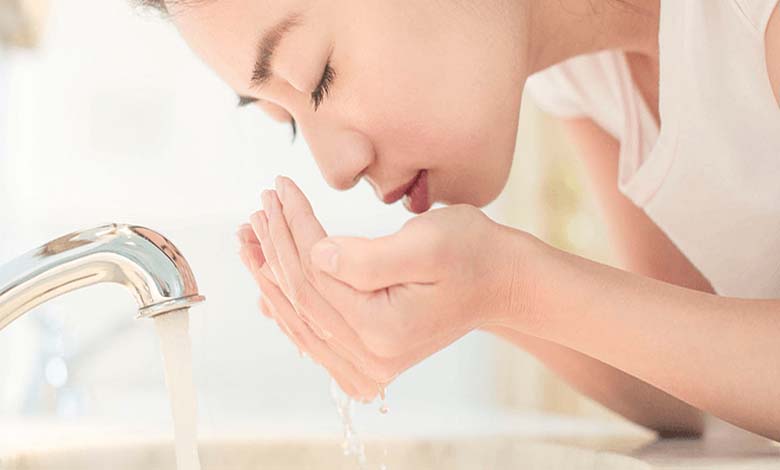
In modern societies, personal hygiene is widely associated with health, disease prevention, and overall well-being. For women in particular, hygiene practices are often strongly encouraged for medical, cultural, and aesthetic reasons. However, a growing body of scientific research and medical opinion is highlighting a paradoxical reality: excessive personal hygiene, rather than protecting health, can disrupt the body’s natural balance and lead to significant health risks for women.
-
Do Not Share Bathroom and Personal Hygiene Tools: An Essential Health Precaution
-
Do deodorants cause cancer? Scientific demystification of a persistent myth
The human body, and especially the female body, relies on complex biological equilibria. The skin, mucous membranes, and intimate areas are home to billions of beneficial microorganisms, collectively known as the microbiota. This microbiota plays a crucial role in protecting against infections, regulating the immune system, and maintaining physiological stability. Excessive hygiene practices, particularly those involving frequent use of antiseptic, scented, or harsh products, can severely disrupt this delicate balance.
The intimate area provides a particularly clear example. The vagina is a self-regulating ecosystem protected by a bacterial flora dominated by lactobacilli, which maintain an acidic pH that prevents the growth of harmful pathogens. Excessive use of intimate cleansers, vaginal douches, or perfumed wipes can damage this protective flora. By eliminating beneficial bacteria, these practices may actually increase the risk of vaginal infections such as yeast infections and bacterial vaginosis.
-
Practical Tips to Reduce Excessive Sweating in Summer
-
“Home Care” Enhances quality of life for seniors
Beyond infections, excessive hygiene can cause chronic irritation, dryness, itching, and heightened sensitivity of the mucous membranes. These symptoms are often misinterpreted as signs of poor cleanliness, prompting women to intensify their hygiene routines. This creates a vicious cycle that further weakens intimate health rather than restoring comfort.
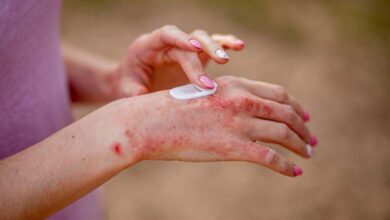
The skin is also affected by over-cleaning. Very frequent showers, repeated use of antibacterial soaps, and aggressive cleansing products can damage the skin’s natural hydrolipidic film, which acts as a protective barrier against external aggressions. Once this barrier is compromised, the skin becomes more prone to inflammation, allergies, eczema, and bacterial infections. In women, hormonal fluctuations can further exacerbate skin sensitivity, making the consequences of excessive hygiene even more pronounced.
-
Full-Body Deodorant: Does It Truly Deserve Its TikTok Hype?
-
How Cosmetics Can Affect Your Child’s Development
Hair and scalp health can also suffer from overzealous cleanliness. Washing hair too frequently strips away natural oils that protect the scalp. In response, the scalp may produce excess sebum, leading to greasy hair, irritation, or dandruff. This often results in even more frequent washing, reinforcing the imbalance and worsening the condition.
The impact of excessive hygiene is not limited to physical health. It can also have psychological consequences. Social pressure on women to conform to ideals of extreme cleanliness can generate anxiety, fear of natural body odors, and a distorted relationship with one’s body. This obsession with cleanliness may contribute to compulsive behaviors and negatively affect self-esteem and overall mental well-being.
-
Study: Excessive Sleep Increases Risk of Mortality
-
Effective Methods to Control Cortisol and Lower Blood Pressure
Health professionals increasingly emphasize the importance of adopting a balanced approach to personal hygiene. Cleanliness does not mean eliminating all microorganisms, but rather respecting the body’s natural defense mechanisms. For women, this involves choosing mild, fragrance-free products, using them in moderation, and avoiding invasive practices that are not medically necessary.
Appropriate hygiene should be based on an understanding of how the female body functions and on attentiveness to bodily signals. Persistent discomfort should not be masked by excessive washing, but addressed through proper medical consultation to identify underlying causes.
Ultimately, when personal hygiene becomes excessive, it can turn into a genuine health risk for women. Promoting balanced hygiene practices that respect the microbiota and the body’s natural defenses is now a key public health and educational challenge. Moving away from commercial pressures and unrealistic standards allows for a healthier, more informed, and more respectful relationship with the female body.
-
Hygiene: Are the French really the dirtiest in Europe?
-
Excessive tooth brushing: potential health risks