Fiber and antioxidants: how guava supports the health of older adults
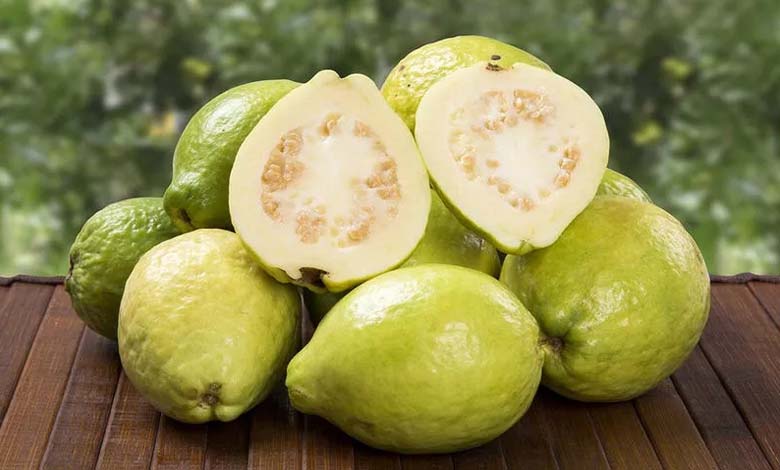
As people age, the body undergoes profound physiological changes that affect metabolism, digestion, immune function, cardiovascular health, and cognitive performance. In this context, nutrition plays a central role in preventing chronic diseases and maintaining quality of life. Among fruits with outstanding nutritional properties, guava stands out for its richness in dietary fiber, antioxidants, and essential micronutrients, making it a valuable ally for the health of older adults.
-
The Role of Antioxidants in Preventing Premature Graying”
-
Why it is recommended to consume fruits before morning workouts
Guava, a tropical fruit widely consumed in many parts of the world, is characterized by a high nutrient density combined with a moderate caloric content. It provides significant amounts of vitamin C, vitamin A, potassium, magnesium, and a wide range of phenolic compounds with strong antioxidant activity. These components directly address the specific nutritional needs of older adults, who are more vulnerable to deficiencies due to reduced appetite, digestive disorders, or chronic illnesses.
Dietary fiber is one of guava’s most important assets. Regular fiber intake is essential for proper digestive function, a major concern among seniors who often experience chronic constipation and slower intestinal transit. The soluble fiber in guava helps form a gel in the intestine, facilitating stool passage and improving bowel regularity. Insoluble fiber increases stool bulk and stimulates intestinal motility, thereby reducing the risk of digestive complications.
Beyond digestion, fiber plays a crucial role in regulating blood sugar levels and cholesterol. Older adults face a higher risk of type 2 diabetes and cardiovascular diseases. The fiber in guava slows the absorption of sugars, helping to stabilize postprandial blood glucose levels. It also contributes to lowering LDL cholesterol by limiting its intestinal absorption, thereby supporting cardiovascular health and reducing the risk of atherosclerosis.
The antioxidants found in guava represent another cornerstone of its benefits for seniors. Aging is associated with increased oxidative stress, a process linked to the accumulation of free radicals that damage cells and accelerate functional decline. Vitamin C, which is abundant in guava, plays a major role in neutralizing these free radicals. It helps protect cells, supports immune function, and promotes wound healing, which is often slower in older individuals.
-
Five reasons to eat figs this winter
-
Orange juice: a healthy beverage supporting immunity, heart, and brain
Guava is also rich in carotenoids and polyphenols, antioxidant compounds associated with a reduced risk of neurodegenerative diseases. Research suggests that these substances may help preserve cognitive function by limiting inflammation and oxidative damage in the brain. In the context of aging, where memory disorders and conditions such as Alzheimer’s disease represent major public health challenges, incorporating antioxidant-rich foods becomes increasingly important.
From an immune perspective, guava consumption may help strengthen natural defenses, which tend to weaken with age. Vitamin C stimulates the production and activity of white blood cells, while antioxidants support a balanced inflammatory response. Together, these effects contribute to reducing seniors’ susceptibility to respiratory infections and other infectious diseases.
Bone health is another area in which guava may provide indirect support. Although it is not a major source of calcium, guava contains moderate amounts of magnesium and vitamin K, both of which are involved in bone metabolism. Additionally, antioxidants may help limit chronic inflammation, a recognized factor in age-related bone loss.
From a practical standpoint, guava is easy to incorporate into a diet adapted to older adults. It can be consumed fresh, mashed, blended into smoothies, or used in light culinary preparations without added sugar. For individuals with chewing difficulties, ripe guava that has been peeled and pureed offers a nutritious and easily digestible option.
-
How to strengthen your immune system during winter
-
Broccoli in winter: how this vegetable can help you manage your weight
In conclusion, guava stands out as a particularly beneficial fruit for the health of older adults due to its high content of fiber and antioxidants. By supporting digestion, cardiovascular health, immune function, and cellular protection, it fits perfectly within a preventive nutritional approach to aging. When consumed regularly as part of a balanced diet, guava can make a meaningful contribution to maintaining autonomy and overall well-being in later life.