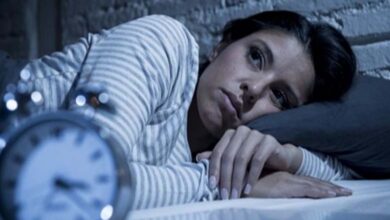
Five essential steps to protect your health while working night shifts

Night work affects millions of people worldwide, particularly in healthcare, security, industry, transportation, and service sectors. Although essential to many economic and social activities, this work pattern significantly disrupts the human body’s natural biological rhythm. If not properly managed, night work can have long-term consequences for physical, mental, and social health. However, adopting appropriate strategies can greatly reduce its negative effects. Here are five fundamental steps to help maintain good health while working night shifts.
-
Frequent Nighttime Urination Could Reveal a Respiratory Problem
-
How the Gut Influences Your Nighttime Sleep
Understanding the impact of night work on the body
The human body operates according to a circadian rhythm, an internal biological clock that regulates sleep, body temperature, hormone secretion, and metabolism over a 24-hour cycle. Night work forces the body to remain awake during a period normally reserved for rest, leading to biological misalignment.
This disruption can result in chronic fatigue, sleep disorders, reduced concentration, and an increased risk of metabolic, cardiovascular, and digestive problems. Understanding these mechanisms is the first essential step toward adopting protective habits and preventing long-term exhaustion.
-
Nighttime social media activity and its relationship with anxiety: a complex link
-
Night Sweats: A Subtle Symptom That Could Reveal Cancer Early
Step one: establishing a stable and restorative sleep routine
Sleep quality is the cornerstone of health for night workers. Ensuring sufficient and regular sleep duration, even during daytime hours, is crucial. Sleeping in a quiet, dark, and cool environment, using blackout curtains, earplugs, or noise-reduction devices, helps promote deeper and more restorative sleep.
Maintaining consistent sleep and wake times, including on days off, allows the body to gradually adapt to a nocturnal schedule. Exposure to screens should be limited before sleep, as blue light suppresses melatonin production, the hormone responsible for regulating sleep.
-
Study Warns Night Owls of Increased Risk of Depression
-
Chronic heart failure worsens at night: symptoms to watch out for
Step two: adopting a diet suited to night work
Nutrition plays a key role in managing energy levels and alertness. Night work disrupts digestion and metabolism, increasing the risk of gastrointestinal discomfort and weight gain. A balanced and structured diet is therefore essential.
Heavy meals high in fats and refined sugars should be avoided during night shifts, as they can increase drowsiness and digestive strain. Instead, light meals rich in protein, fiber, and complex carbohydrates are recommended. A healthy snack during the night can help maintain energy without overburdening the digestive system.
-
Frequent Nighttime Urination – An Early Warning Sign of Cancer?
-
Night Vision Contact Lenses: A New Frontier in Human Sight
Step three: managing light exposure and alertness effectively
Light is one of the primary regulators of the circadian rhythm. During night shifts, adequate exposure to artificial light can help sustain alertness and concentration. Conversely, reducing exposure to daylight after work is important to facilitate falling asleep.
Wearing sunglasses on the way home can limit the stimulating effects of natural light on the brain. Short active breaks, including stretching or light walking, can also improve alertness and reduce fatigue during the night.
-
Developing Contact Lenses That Give Humans Night Vision
-
Late Sleep and Depression: How Staying Up at Night Affects Mental Health
Step four: protecting mental and emotional well-being
Night work can lead to social isolation, disruption of family life, and increased stress. Over time, these factors may affect psychological well-being. Taking care of mental health is therefore essential.
Maintaining social connections, scheduling leisure and rest time, and communicating openly with family and friends can help reduce feelings of disconnection. Stress management techniques, such as relaxation exercises, controlled breathing, or meditation, can further enhance psychological resilience.
Step five: monitoring health and adopting a preventive approach
Night workers should pay close attention to regular health monitoring. Periodic medical check-ups can help detect early signs of issues related to night work, including sleep disorders, high blood pressure, or metabolic imbalances.
Engaging in regular physical activity, even at a moderate level, supports better sleep quality, cardiovascular health, and overall well-being. Listening to the body’s signals is essential: persistent fatigue, mood changes, or concentration difficulties should not be ignored and should be discussed with a healthcare professional.
-
Scientists discover a relationship between nighttime lighting and vision loss
-
For night owls… Late sleep increases the risk of diabetes
Night work presents a genuine challenge to the human body, but it is not incompatible with good health when managed appropriately. By establishing a consistent sleep routine, adopting a balanced diet, managing light exposure and alertness, safeguarding mental health, and prioritizing preventive care, it is possible to significantly reduce the negative effects of working at night. A holistic, conscious, and proactive approach is key to maintaining long-term health while meeting the demands of nocturnal work.
-
Midlife depression as an early indicator of future dementia risk
-
Scientific study: a potential link between Alzheimer’s disease and a bacterial infection originating in the gums