How Chia Seeds Protect the Brain from Harmful Foods
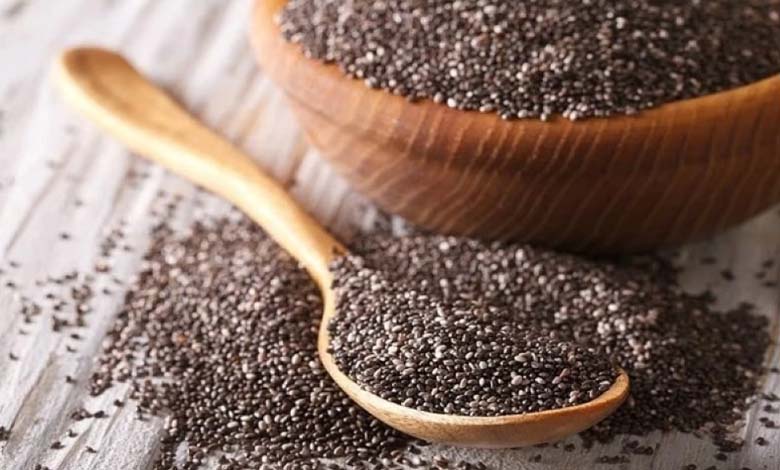
In a dietary environment increasingly dominated by ultra-processed foods rich in refined sugars, saturated fats, and additives, brain health is becoming more vulnerable to subtle yet persistent damage. The brain, a highly sensitive organ, can suffer long-term cognitive impairment when exposed to nutritional imbalances. In this context, certain natural foods stand out for their protective potential. Chia seeds, often associated with digestive or cardiovascular health, also possess remarkable properties that help protect the brain from the harmful effects of unhealthy foods.
-
How Low Magnesium Levels Affect Your Health
-
How can foods and supplements help relieve constipation symptoms?
Chia seeds are an exceptional source of omega-3 fatty acids, particularly alpha-linolenic acid. These essential fats play a central role in the structure and function of neuronal membranes. Diets high in processed foods promote chronic inflammation and oxidative stress, two mechanisms strongly linked to cognitive decline. The omega-3 content of chia seeds helps reduce these inflammatory processes, thereby protecting brain cells from progressive damage caused by poor dietary habits.
Beyond their healthy fat profile, chia seeds are rich in natural antioxidants. These compounds neutralize free radicals generated in excess by the consumption of refined sugars, oxidized fats, and food additives. Oxidative stress is widely recognized as a major contributor to premature brain aging and neurodegenerative disorders. Regular inclusion of chia seeds in the diet can strengthen the brain’s antioxidant defenses and limit the cumulative impact of dietary insults.
-
Shocking Study: Lithium Protects Against Alzheimer’s and Memory Decline
-
Repeated Heatwaves May Accelerate the Aging of Our Bodies
Blood sugar regulation represents another key mechanism through which chia seeds support brain health. Harmful foods, particularly those with a high glycemic index, trigger sharp spikes in blood glucose that may impair neuronal function and increase the risk of long-term cognitive disorders. Due to their high content of soluble fiber, chia seeds slow carbohydrate absorption and promote a more stable release of energy. This metabolic stability is especially beneficial for the brain, which relies on a constant and well-regulated energy supply.
The fiber content of chia seeds also plays an indirect yet crucial role through the gut-brain axis. Diets rich in processed foods disrupt the gut microbiota, which can negatively affect mood, memory, and concentration. By supporting a healthier gut environment, chia seed fibers enhance communication between the gut and the brain, thereby reducing neuroinflammatory effects associated with poor dietary quality.
-
Are fibers the forgotten secret to weight loss?
-
5 Common Summer Health Issues and How to Prevent Them
Chia seeds also provide essential minerals such as magnesium, calcium, and zinc. Magnesium, in particular, is involved in nerve transmission and stress regulation. Diets high in industrial foods are often deficient in micronutrients, which can weaken cognitive function. By helping to correct these deficiencies, chia seeds support neurochemical balance and enhance the brain’s resilience to nutritional stressors.
It is important to note that chia seeds are not a standalone remedy for unhealthy eating habits. Their protective effects depend on their integration into an overall balanced diet. Nevertheless, they can play a meaningful role in mitigating the negative effects of occasional or cumulative exposure to harmful foods, especially when combined with other nutrient-rich choices.
-
The “Key to a Healthy Weight”: Three Types of Fiber to Include in Your Diet
-
4 Types of Gut Bacteria Linked to Living Up to 100 Years
In conclusion, chia seeds represent a valuable nutritional ally for brain health. Through their rich content of omega-3 fatty acids, antioxidants, fiber, and minerals, they help protect the brain from inflammation, oxidative stress, and metabolic disturbances caused by harmful foods. In an increasingly challenging food environment, regular consumption of chia seeds offers a simple and natural strategy to support cognitive function and preserve long-term brain health.