How do cold floors affect your health in winter?
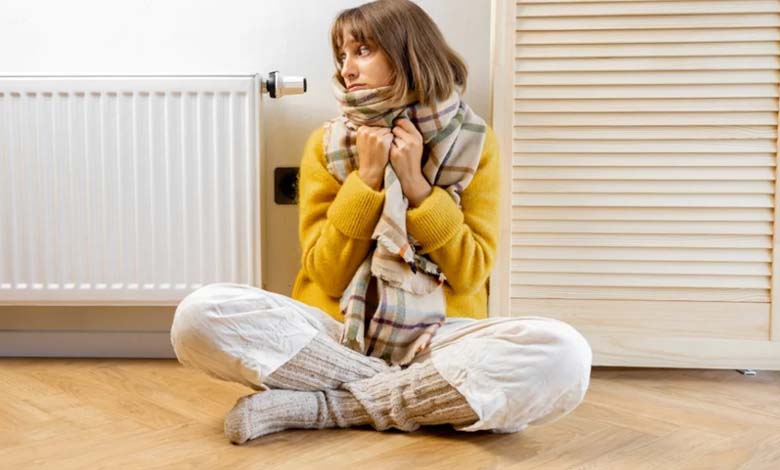
During winter, as temperatures drop, daily contact with cold floors becomes a common reality in many homes, especially in regions where tiles, marble, or stone flooring are widely used. Walking barefoot or standing for long periods on cold surfaces is often seen as a minor seasonal discomfort. However, repeated exposure can have tangible effects on health, particularly on blood circulation, muscles, joints, and even the immune system.
-
Cold-water baths in winter: healthy habit or harmful practice?
-
Showering Right After Eating: A Common Habit That May Affect Digestive Health
From a physiological perspective, cold acts as a powerful vasoconstrictor. When the feet come into contact with a cold surface, blood vessels constrict to reduce heat loss. This natural protective mechanism temporarily decreases blood flow to the extremities. In some individuals, especially those with circulatory disorders, this response can lead to persistent cold feet, numbness, or pain.
Cold floors can also have an indirect impact on muscles and joints. Cold temperatures tend to increase muscle stiffness and reduce tissue flexibility. In winter, standing or walking on cold floors without adequate protection may contribute to muscle tension, particularly in the calves and lower back. In older adults or individuals with joint conditions, this increased stiffness can intensify joint pain and limit mobility.
-
Why should you eat dinner earlier in winter?
-
The Mysterious Link Between Plastic and Strokes: A Silent Health Crisis
Another frequently discussed aspect is the relationship between cold exposure and respiratory infections. Contrary to popular belief, cold itself does not directly cause illness. However, prolonged exposure to cold may weaken certain local defense mechanisms in the body. Cooling of the extremities can influence the overall immune response, making the body slightly more susceptible to seasonal viruses, especially when combined with fatigue or stress.
Cold floors can also disrupt overall thermal comfort. The feet play a crucial role in regulating body temperature. When they are cold, the sensation of cold can spread throughout the body, leading to chills, discomfort, and reduced concentration. This loss of comfort may affect sleep quality, particularly for individuals who go to bed with cold feet, making it more difficult to fall asleep.
-
Excessive vitamin intake threatens liver health
-
Pickles and Yogurt: Are Fermented Foods Really Good for Your Health?
In children, repeated exposure to cold floors may be more pronounced due to their relatively larger body surface area and their still-developing thermoregulation systems. Although this is not dangerous in most cases, insufficient protection can contribute to frequent chilling and prolonged discomfort.
It is important, however, to put these effects into perspective. Briefly walking on a cold floor does not pose a significant risk to a healthy person. Potential issues mainly arise with prolonged or repeated exposure, or among more vulnerable individuals, such as older adults, people with diabetes, circulatory disorders, or rheumatic conditions.
-
With Winter Approaching… 5 Tips for Treating Dry Skin
-
Plastic in Our Plates: Foods Becoming a Health Threat
To reduce the negative effects of cold floors in winter, several simple measures can be adopted. Wearing insulating socks or slippers effectively limits heat loss. Using rugs in frequently used areas also improves thermal comfort. In some cases, underfloor heating systems provide a long-term solution by maintaining even temperatures without drying out the indoor air.
From a preventive standpoint, maintaining good blood circulation through regular physical activity, even at a moderate level, is also recommended. Movement stimulates blood flow to the extremities and reduces the sensation of cold. Adequate hydration and a balanced diet further support proper thermoregulation.
-
5 Foods to Boost Energy and Ease Winter Fatigue
-
The “Mandarin”: When Does It Become Harmful to Health?
In conclusion, cold floors in winter are not inherently dangerous, but their impact on health should not be overlooked, especially among vulnerable populations. Repeated exposure can affect circulation, muscle comfort, and overall well-being. Simple protective measures can help preserve health while enhancing daily comfort during the colder season.