How often should a healthy person have a bowel movement?
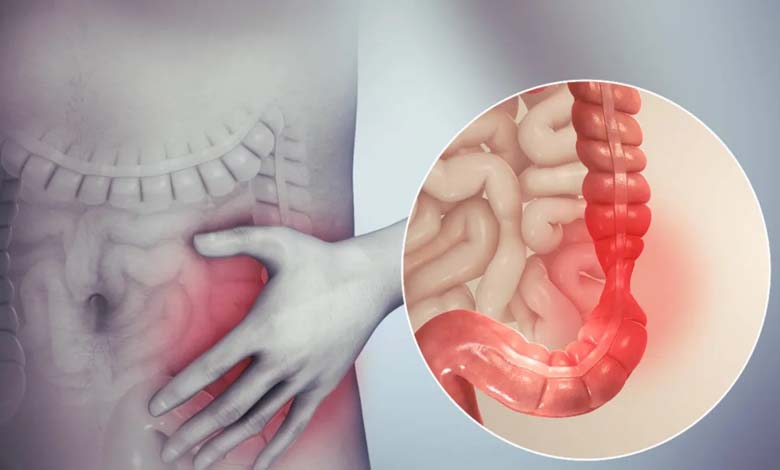
Bowel movement frequency is a key indicator of digestive health, often overlooked in discussions about overall well-being. However, bowel habits reflect the balance of the digestive system, hydration status, dietary quality, and even aspects of neurological function. Contrary to a widespread belief, there is no single “normal” frequency that applies to everyone. Understanding what is considered normal requires a nuanced approach that takes into account individual variation and multiple physiological factors.
Defining normal bowel frequency
In a healthy individual, bowel movement frequency can vary widely. Medical data suggest that anywhere between three bowel movements per day and three per week can be considered normal, provided that the pattern is consistent and not associated with discomfort.
Personal regularity is therefore essential. A person who has one bowel movement per day consistently is normal, just as someone who goes every two days without discomfort. The key factor is the absence of symptoms such as persistent constipation, chronic diarrhea, pain, or a sensation of incomplete evacuation.
Physiological mechanisms of intestinal transit
The digestive process begins in the mouth and continues throughout the gastrointestinal tract. After nutrients are absorbed in the small intestine, indigestible residues pass into the colon, where water is reabsorbed and stool is formed.
The movement of stool is driven by muscular contractions known as peristalsis. This process is regulated by the enteric nervous system, often referred to as the “second brain,” as well as hormonal and psychological factors.
The gastrocolic reflex, which occurs after meals, also stimulates the urge to defecate. This is why many individuals feel the need to have a bowel movement after breakfast or lunch.
Factors influencing bowel frequency
Several factors influence bowel regularity. Diet plays a central role, particularly fiber intake. Dietary fiber, found in fruits, vegetables, whole grains, and legumes, increases stool bulk and facilitates its passage.
Hydration is equally important. Insufficient water intake can lead to hard stools and slower transit, while adequate hydration promotes optimal stool consistency.
Physical activity also helps stimulate intestinal movement. A sedentary lifestyle is often associated with reduced bowel frequency.
Stress and emotional states significantly affect the digestive system. Stress can either accelerate transit, leading to diarrhea, or slow it down, causing constipation.
Variations across age and lifestyle
Bowel habits change throughout life. Infants may have frequent bowel movements, especially when breastfed. In adulthood, patterns tend to stabilize, while in older age, frequency may decrease due to reduced activity, dietary changes, or medication use.
Daily habits also play a role. Some individuals develop regular bowel routines linked to their schedules, while others maintain irregular patterns without any pathological significance.
Signs of healthy bowel function
Beyond frequency, stool quality is an important indicator. Normal stools are typically well-formed, easy to pass, and brown in color. The absence of pain, bleeding, or excessive straining is also a sign of good digestive health.
A feeling of relief after defecation and the absence of persistent bloating or abdominal discomfort further indicate balanced intestinal function.
When to be concerned
Certain changes in bowel habits may require medical attention. Persistent constipation, defined as fewer than three bowel movements per week with discomfort, or prolonged diarrhea may indicate an underlying condition.
The presence of blood in the stool, unexplained weight loss, severe abdominal pain, or a sudden and lasting change in bowel habits should prompt consultation with a healthcare professional.
These symptoms may be associated with conditions such as irritable bowel syndrome, infections, inflammatory diseases, or, in some cases, more serious disorders.
Tips for maintaining regular bowel movements
To promote healthy bowel frequency, it is recommended to adopt a fiber-rich diet, drink sufficient water, and engage in regular physical activity. Responding promptly to the urge to defecate is also important to maintain natural reflexes.
Establishing a routine, such as allowing time for bowel movements after meals, can help regulate transit. Additionally, stress management techniques can positively impact digestive function.
There is no universal ideal frequency for bowel movements. What matters most is individual regularity and the absence of associated symptoms. Healthy bowel function reflects a balance between diet, hydration, physical activity, and psychological well-being.
Understanding these mechanisms allows individuals to better listen to their bodies and adopt habits that support digestive health. In a context where intestinal disorders are common, this knowledge serves as a valuable tool for preventing imbalances and maintaining optimal quality of life.