How the Timing of Banana Consumption Influences Athletic Performance
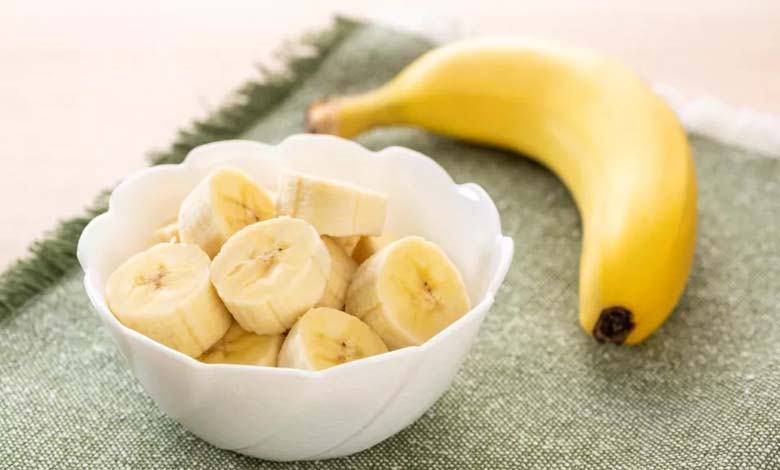
The banana is one of the most popular fruits in the world of sports, often associated with quick energy, muscle recovery, and the prevention of cramps. However, beyond its nutritional richness, the moment at which it is consumed plays a decisive role in its real impact on athletic performance. Understanding how nutritional timing interacts with the physiological demands of exercise makes it possible to optimize the use of this simple yet strategic fruit.
-
Can Bananas and Avocados Trigger Migraines? Understanding the Mechanisms and Adopting Effective Strategies
-
The Benefits of Eating Bananas for Breakfast
From a nutritional perspective, the banana stands out for its high content of easily digestible carbohydrates, mainly in the form of glucose, fructose, and sucrose. It is also a significant source of potassium, magnesium, and vitamin B6, micronutrients essential for proper muscular and nervous function. This composition makes the banana both an energy-providing and a functional food for athletes, provided it is consumed at the right time.
When eaten before exercise, the banana acts as a natural fuel. About thirty to sixty minutes before a training session or competition, it increases the availability of blood glucose, thus providing rapidly accessible energy. This timing is particularly beneficial for endurance sports or activities requiring moderate to high intensity over a prolonged period. Its moderate fiber content promotes a gradual release of energy without causing a sudden spike in blood sugar levels.
-
Nutrition Experts Reveal the Benefits of Red Bananas
-
How Does Banana Affect the Benefits of Berry Juice?
For athletes who train fasting or early in the morning, the banana is an ideal option to break the fast without burdening digestion. It prevents early fatigue linked to hypoglycemia and supports concentration during exercise. Nevertheless, in some sensitive individuals, consuming it too close to physical activity may cause digestive discomfort, which highlights the importance of adapting timing to personal tolerance.
During exercise, the banana can also play a role, especially in endurance disciplines such as cycling, marathon running, or trail running. Thanks to its texture, which is easy to chew and digest, it represents a natural alternative to industrial energy gels. Consumed in small amounts, it helps maintain blood sugar levels and delays the onset of fatigue, while providing electrolytes that contribute to fluid balance and the prevention of muscle cramps.
-
Bananas and Potassium Sources: An Effective Alternative to Lower Blood Pressure
-
Including Bananas: Potassium-Rich Foods That Control Blood Pressure
After exercise, the banana becomes a valuable ally for recovery. The carbohydrates it contains promote the replenishment of muscle glycogen stores, while potassium helps compensate for mineral losses caused by sweating. When combined with a source of protein, such as yogurt or nuts, it contributes to muscle repair and the reduction of post-exercise inflammation. At this stage, timing is just as strategic as composition, since the first hours after exercise are crucial for optimizing recovery.
It should be emphasized, however, that the effect of the banana on performance cannot be isolated from the overall dietary context. An unbalanced or nutrient-poor diet cannot be corrected simply by eating this fruit, however beneficial it may be. Moreover, metabolic responses to bananas vary according to individuals, their level of training, their glycemic sensitivity, and the type of activity performed.
-
For these reasons, make sure to eat a banana every day
-
Consuming unripe bananas protects against a serious disease
In conclusion, the timing of banana consumption significantly influences its impact on athletic performance. Before exercise, it prepares the body for activity; during exercise, it supports endurance; after exercise, it accelerates recovery. Used strategically and integrated into a balanced diet, the banana proves to be far more than a simple fruit: it becomes a genuine nutritional tool in the service of athletic performance and overall health.
-
The surprising health benefits of bananas
-
5 Fruits that you wouldn’t know have more potassium than a Banana