How to Naturally Raise Good HDL Cholesterol
Cholesterol plays a central role in the body’s functioning. While often viewed negatively, there are two primary types: LDL cholesterol, commonly referred to as “bad cholesterol,” and HDL cholesterol, or “good cholesterol.” HDL is particularly important for cardiovascular health, as it participates in reverse cholesterol transport, removing excess cholesterol from the bloodstream and reducing the risk of atherosclerosis.
Low HDL levels are associated with an increased risk of cardiovascular diseases, including heart attacks and strokes. Fortunately, several natural and scientifically validated strategies exist to raise HDL without necessarily relying on medication.
-
Is peanut butter harmful to cholesterol or beneficial for the heart?
-
What is the relationship between daily egg consumption and cholesterol?
Dietary Strategies to Support HDL
Nutrition plays a key role in modulating blood lipids. Certain foods are especially effective in supporting and increasing HDL:
- Unsaturated fats: Monounsaturated fats (found in olive oil, avocados, and certain nuts) and polyunsaturated fats (omega-3 fatty acids in fatty fish like salmon, mackerel, or sardines) improve lipid profiles and can contribute to higher HDL levels.
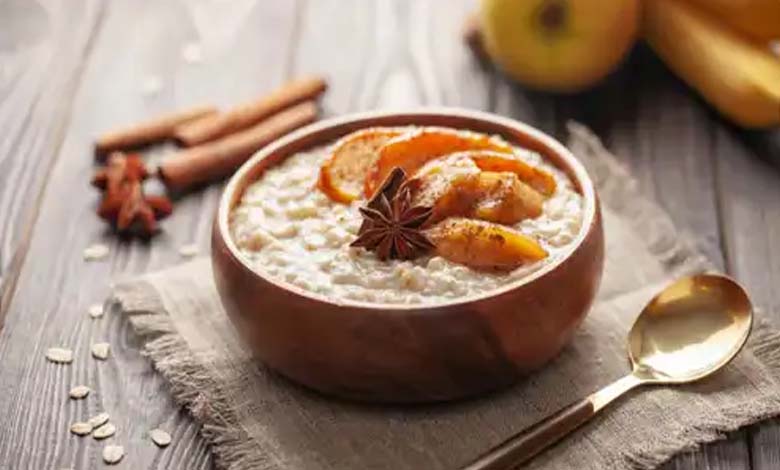
- Soluble fibers: Vegetables, fruits, legumes, and whole grains support overall cholesterol regulation and indirectly help maintain balanced HDL levels.
- Antioxidants and polyphenols: Green tea, berries, dark chocolate, and certain polyphenol-rich fruits protect HDL lipoproteins from oxidation and enhance their functional efficiency.
-
Can you lower cholesterol without taking statins? A comprehensive analysis of natural and scientific alternatives
-
A Daily Spoon of Black Seed Can Lower Cholesterol Within Weeks
Exercise and Physical Activity
Regular physical activity is a major lever for naturally raising HDL. Endurance exercises such as brisk walking, running, cycling, and swimming are particularly effective. Consistent sessions of 30 to 60 minutes, five times a week, can significantly increase HDL levels.
Resistance training, combined with cardiovascular exercise, has also been shown to positively affect blood lipids. The key factor is consistency and duration rather than occasional high intensity.
Weight Management and Body Composition
Excess body fat, especially abdominal fat, is linked to lower HDL and higher LDL levels. Even moderate weight loss can improve the lipid profile and support increases in good cholesterol.
A combined approach of balanced nutrition and regular exercise is recommended for sustainable and comprehensive improvement of lipid metabolism.
-
Twenty Minutes in the Sun Are Enough to Lower Bad Cholesterol
-
How brain cholesterol affects memory and learning
Alcohol Moderation and Smoking Cessation
Moderate alcohol consumption, particularly red wine, has been associated with a slight increase in HDL. However, this approach carries risks and should never be the primary strategy.
Conversely, smoking negatively affects HDL. Quitting tobacco leads to rapid improvement in lipid profiles, with gradual HDL elevation and a reduction in overall cardiovascular risk.
Sleep and Stress Management
Quality sleep and effective stress management indirectly influence HDL levels. Sleep deprivation, chronic stress, and resulting hormonal disruptions can negatively impact lipid metabolism. Practices such as meditation, yoga, or maintaining regular sleep routines help support HDL levels.
-
Loss of Cholesterol in the Brain: A Possible First Spark for Alzheimer’s Disease
-
Vegetables and Grains: Essential Natural Allies to Break Down Blood Clots and Lower Cholesterol
Supplements and Nutraceuticals
Certain natural substances can complement lifestyle strategies:
- Omega-3 supplements, when dietary intake is insufficient.
- Niacin (vitamin B3), which has been shown to increase HDL, should be used under medical supervision to avoid side effects.
- Phytosterols and soluble fibers, which improve overall lipid profiles.
It is important to note that supplements do not replace healthy lifestyle and dietary habits.
-
High Cholesterol Symptoms May Appear in Just One Eye
-
Added sugars are more dangerous to the heart than cholesterol
Naturally raising HDL cholesterol requires a holistic and integrated approach: balanced diet, regular physical activity, weight management, quality sleep, and smoking cessation. Combined with healthy fats, fiber-rich foods, and antioxidants, these measures not only elevate HDL but also provide long-term cardiovascular protection.
Adopting these strategies strengthens heart health, reduces the risk of cardiovascular disease, and enhances overall well-being and quality of life.
-
5 types of food to fight Cholesterol
-
What are the preferred foods for lowering cholesterol? Advice from an expert