How to Protect Your Back During Air Travel
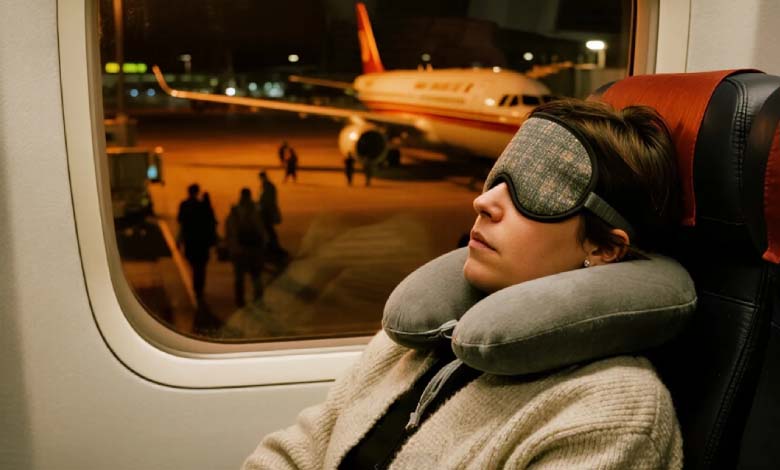
Air travel can be physically demanding, and the back is often one of the most affected areas. Prolonged sitting, limited movement, and the strain from carrying luggage can contribute to acute or chronic back pain. Therefore, it is crucial to adopt preventive measures to protect your back and ensure a more comfortable journey.
-
Why does your left arm hurt during a heart attack?
-
Can Cancer Be Transmitted from Mother to Child During Pregnancy?
Preparation before the flight is a fundamental step. It is recommended to choose a seat that offers adequate lumbar support. Seats near the exits or wings may provide extra legroom, reducing pressure on the spine. Using a lumbar cushion or a small pillow to support the lower back can significantly relieve stress on the lumbar region.
Posture also plays a key role. It is important to sit upright, with relaxed shoulders and feet flat on the floor. Avoid crossing your legs for extended periods, as this can misalign the spine and cause muscle tension. Simple exercises, such as gently twisting the torso or tilting the head from side to side, can help release accumulated tension.
-
What Is the Ideal Heart Rate During Exercise?
-
How to Avoid Physical Stress during Fasting? Effective Tips for Healthy Fasting
Regular movement is essential for back health. During the flight, it is advisable to stand up every hour or two to walk along the aisle and perform light stretches. Even a few minutes of walking can improve circulation and reduce the risk of stiffness and discomfort. Additionally, deep breathing and gentle muscle contractions help strengthen postural muscles and reduce fatigue.
Luggage management is another important consideration. Overly heavy or poorly balanced bags can strain the shoulders and back. It is preferable to use a rolling suitcase instead of a heavy backpack and to distribute the weight evenly among personal items. When lifting, bend your knees and keep your back straight to prevent injury.
-
Negative Emotions During Pregnancy: Causes and Solutions
-
How Does the Brain Renew Itself During the Night?
Finally, hydration and overall comfort indirectly influence back health. Dehydration can exacerbate muscle tension, and an uncomfortable seat can amplify discomfort. Wearing loose, comfortable clothing and practicing relaxation techniques help reduce fatigue and prevent back pain.
In conclusion, protecting your back during a flight involves a combination of preparation, posture, movement, and luggage management. These simple yet effective measures can prevent pain, maintain mobility, and make the travel experience more pleasant. Prioritizing back health before and during the flight is a wise choice for a comfortable and safe journey.
-
Sleeping Less Than 7 Hours During Pregnancy Puts Baby at Risk of Growth Delays
-
5 Foods Rich in Folic Acid During Pregnancy: What Are They?