Iran draws up a list of Israeli and U.S. targets in response to a potential attack
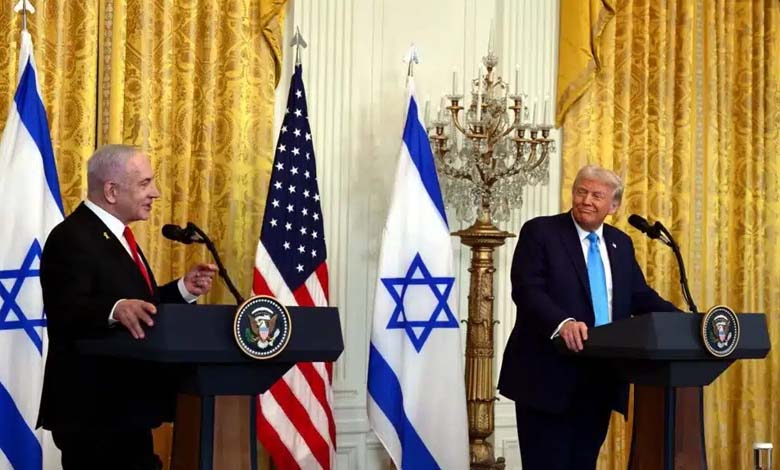
Prevailing assessments in Israel indicate that President Trump may carry out his threats to launch an attack on Iran.
On Sunday, Tehran warned that it would retaliate by targeting Israel and U.S. bases if the United States were to strike Iran. This warning was directed at Washington at a time when Israeli sources said Israel was on maximum alert in anticipation of a possible U.S. intervention. The Iranian regime appears to feel an existential threat and is preparing to defend its grip on power by all means.
-
Leaks Reveal Israeli Preparations to Strike Iran and U.S. Concerns
-
Due to the Israeli aggression on Gaza… Will the U.S. State Department rebel against Biden and Blinken?
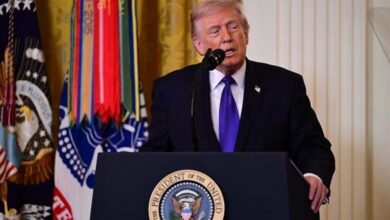
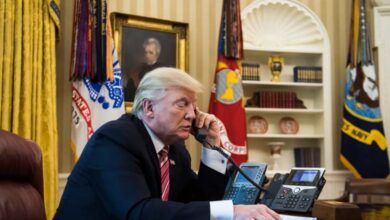
As Iran’s ruling religious establishment faces the largest anti-government protests since 2022, U.S. President Donald Trump has repeatedly threatened intervention in recent days, warning Iranian leaders against using force against protesters. On Saturday, Trump said the United States was “ready to help.”
Iranian parliamentary speaker Mohammad Bagher Ghalibaf warned U.S. President Donald Trump on Sunday against any “miscalculation” in a speech delivered before parliament.
He said: “In the event of an attack on Iran, the occupied territories (Israel), as well as U.S. bases and ships, will be our legitimate targets.”
-
The fall of Maduro: a step in Rubio’s dream of leading an army of exiles and becoming president of Cuba
-
Khamenei calls protesters agents and accuses them of trying to appease Trump
He accused the United States and Israel of supporting anti-regime protesters, stating that “the enemies planned to recruit local terrorists during the twelve-day war, but they failed (in June 2025). Now they have recruited local terrorists. We are fighting terrorists.”
Three Israeli sources who attended security consultations earlier in the week said Israel was on maximum alert, without specifying what that entails.
Israel and Iran fought a twelve-day war in June, during which the United States took part by carrying out airstrikes against Iran. Tehran responded to those U.S. strikes by launching missiles at the U.S. Al-Udeid air base in Qatar.
-
The specter of an Israeli invasion looms over southern Lebanon
-
Hedgehog shield and pragmatism… 6 lessons from Trump for world leaders in 2026
Israel’s privately owned Channel 12 reported on Saturday evening that prevailing assessments in Israel suggest President Trump may follow through on his threats to attack Iran.
Protests have spread across Iran since December 28, initially in response to rising inflation, before quickly turning into political demonstrations calling for an end to clerical rule. Authorities accuse the United States and Israel of fueling the unrest.
An internet shutdown imposed by authorities since Thursday has hampered the flow of information from Iran.
-
Iran faces the most dangerous total war with Israel and the United States
-
Israeli media reveal approval of three countries to send forces to Gaza
The U.S.-based Human Rights Activists News Agency (HRANA) said the death toll has risen to 116, most of them protesters, including 37 members of the security forces.
Iranian state television broadcast footage of funeral processions in western Iranian cities such as Gachsaran and Yasuj for security personnel killed during the protests.
A video circulated on social media on Saturday showed large crowds gathering at night in Tehran’s Punak neighborhood, beating drums or metal objects to express protest.
-
The widening gap between Washington and Israel over Gaza’s future
-
America, Iran, and the nuclear issue: Who can break the stalemate?
Over the decades, the Islamic Republic has witnessed repeated waves of large-scale popular unrest, including student protests in 1999, mass demonstrations over the 2009 election results, protests in 2019 against worsening economic conditions, and in 2022 following the death of a young woman in custody after being accused of wearing “inappropriate clothing.”
Some protesters chanted slogans supportive of the Pahlavi family, such as “Long live the Shah,” but most chants called for an end to clerical rule or demanded measures to reform an economy plagued by deepening problems.
On Friday, Supreme Leader Ali Khamenei accused protesters of being agents of Trump, saying that rioters were attacking public property and warning that Tehran would show no leniency toward “mercenaries working for foreign powers.”
-
Advanced Israeli-American consultations on an independent Palestinian government in Gaza
-
Sunrise: Details of the U.S. Plan for the Gaza Riviera and the Expected Challenges
Trump wrote on social media on Saturday: “Iran is looking toward freedom, perhaps like never before. The United States of America stands ready to help!!!”
An informed Israeli source said that Israeli Prime Minister Benjamin Netanyahu and U.S. Secretary of State Marco Rubio discussed the possibility of U.S. intervention in Iran during a phone call on Saturday.
A senior U.S. intelligence official described the situation in Iran on Saturday as “a long game,” saying the opposition seeks to maintain pressure until key government figures defect or change course, while authorities try to instill enough fear to clear the streets so as not to give the United States a pretext to intervene.
-
The West Bank groans under Israeli attacks… a teenager killed by a settler’s gunfire
-
Trump Plans to Appoint a U.S. General to Lead the International Force in Gaza
Israel has shown no desire to intervene, despite ongoing tensions stemming from Israeli concerns over Iran’s nuclear and ballistic missile programs.
In an interview with The Economist published on Friday, Netanyahu warned of severe consequences for Iran if it were to attack Israel. Referring to the protests, he said: “As for everything else, I think we need to see what happens inside Iran.”
-
The yellow line shifts… Accusations against Israel as the U.S. affirms the ceasefire remains intact
-
Neutralization of Attackers: One Israeli Killed and Three Injured in Vehicle and Stabbing Attack in the West Bank