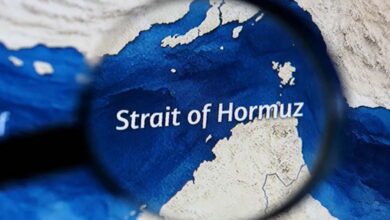
Iraq negotiates with Iran to allow its tankers to pass through the Strait of Hormuz
Iranian authorities are unlikely to respond positively to Iraqi requests amid the ongoing war, particularly given their determination to use the Strait of Hormuz as leverage to disrupt maritime navigation and the energy sector.
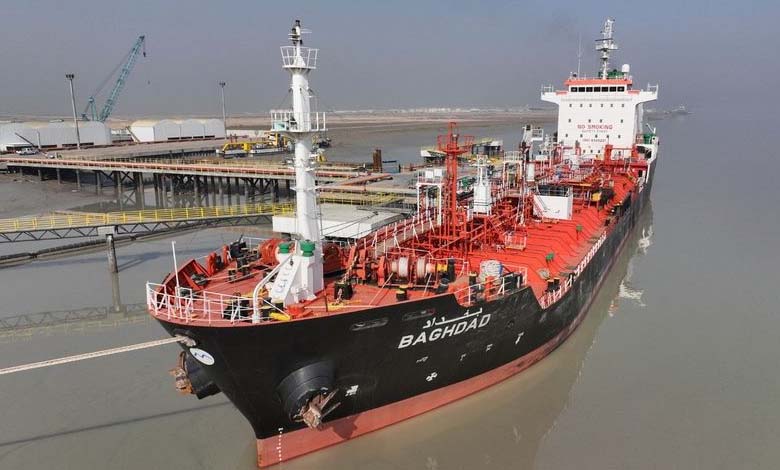
Iraqi Oil Minister Hayan Abdul-Ghani said on Tuesday, according to the official Iraqi News Agency, that Baghdad is in contact with Iran to secure permission for some oil tankers to transit through the Strait of Hormuz, as part of efforts to mitigate disruptions to crude exports following recent attacks on oil tankers in Iraqi territorial waters.
It appears that the Iraqi government is seeking to pressure the Iranian side to allow tanker passage, especially after reports that Tehran had permitted two Indian vessels to pass in exchange for the release of three Iranian oil tankers—claims denied by a spokesperson for India’s Ministry of External Affairs—as well as reports suggesting that a Pakistani oil tanker had been allowed to cross the strait.
According to observers, Iran is unlikely to accommodate Iraq’s requests during the war, given its insistence on using the Strait of Hormuz as a tool to disrupt maritime navigation and the energy sector, a move that could have significant repercussions for the United States and the global economy.
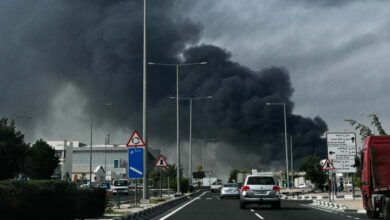
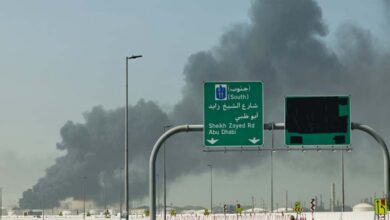
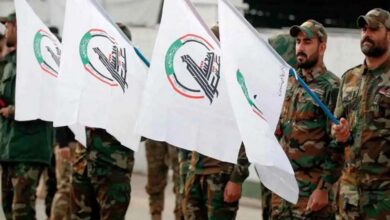
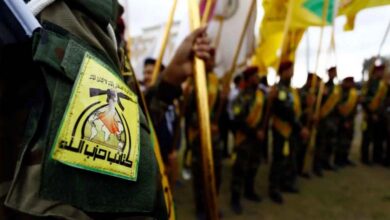
Armed groups, most of them linked to the “Axis of Resistance” and backed by Iran, have launched a series of attacks on oil installations and energy infrastructure across various parts of Iraq using missiles and drones. These operations have targeted oil and gas fields in the Kurdistan region, leading to temporary production shutdowns at some sites following direct strikes attributed by authorities to what they described as “outlaw militias.” The continued use of drones and various missiles has placed tangible pressure on oil infrastructure and threatened the operational capacity of the targeted fields.
These attacks come at a time when Iraq’s economy is under significant strain due to the ongoing regional conflict, as the country relies almost entirely on oil revenues to finance its budget.
To address these repercussions, the Oil Minister said in a video statement released on Monday that Iraq is also seeking to resume operations on a halted pipeline that would allow oil to be pumped directly to the Turkish port of Ceyhan without passing through the Kurdistan region.
He added that Iraq will complete the inspection of a 100-kilometer section of the pipeline within a week, paving the way for direct exports from Kirkuk.
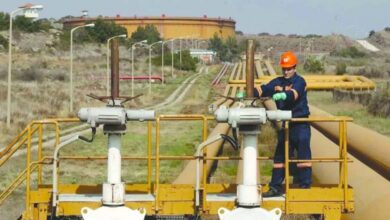
Reopening the Kirkuk-Ceyhan pipeline, which has been shut for more than a decade, would provide an alternative route at a time when shipping through the strategic Strait of Hormuz is severely disrupted due to the ongoing conflict in the Middle East.
Exports through the 960-kilometer pipeline, which previously carried about 0.5 percent of global supply, were halted in 2014 following repeated attacks by elements of the Islamic State group.
According to the Ministry of Oil, exports through this line could initially reach around 250,000 barrels per day, rising to approximately 450,000 barrels per day if crude from Kurdistan fields is added.
Baghdad has sought to use the Kurdistan pipeline as a temporary route for crude exports, claiming that the regional government imposes unfair conditions on its use and warning that it may resort to legal measures if exports are obstructed.
Authorities in the Kurdistan region rejected these accusations, stating that they do not hinder exports and that Baghdad has failed to address the security and economic challenges facing the region’s oil sector.