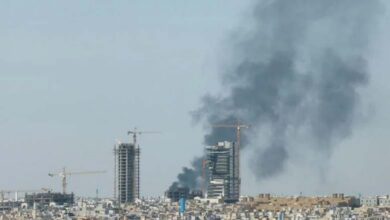
Iraq studies alternatives for exporting Kirkuk oil amid escalating war with Iran
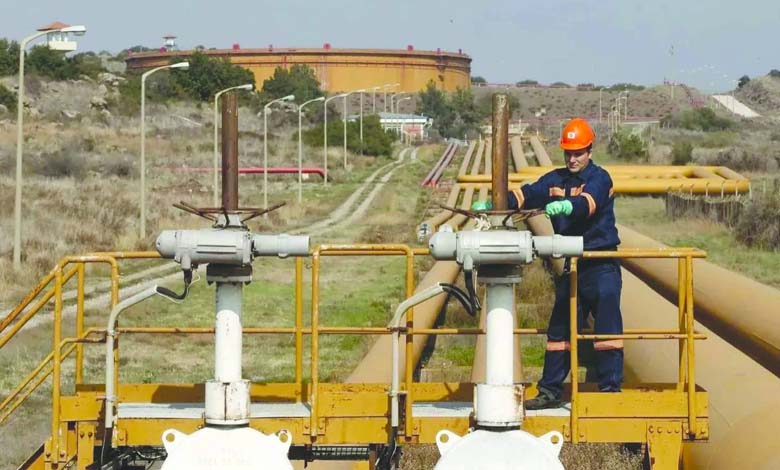
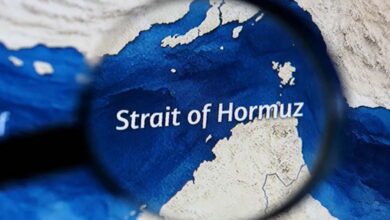
Iraq is seeking alternatives to resume crude oil exports through Turkish territory without using pipelines in the Kurdistan Region, amid the challenges created by the closure of the Strait of Hormuz.
Iraqi Oil Minister Hayan Abdel-Ghani announced efforts to resume crude oil exports through Turkey without relying on the pipelines of the Kurdistan Region in northern Iraq, as the repercussions of the war against Iran continue to affect the region’s energy sector, particularly in Iraq.
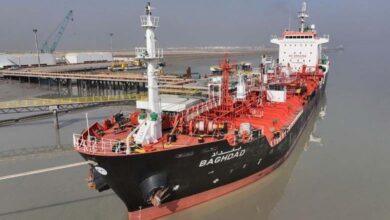
In a recorded statement released by the ministry on Sunday evening, Abdel-Ghani revealed a technical plan that would allow Iraq to pump oil to the Turkish port of Ceyhan without passing through the Kurdistan Region’s pipeline network, amid challenges caused by the closure of the Strait of Hormuz and the suspension of southern exports.
He explained that technical teams have reached the final stages of rehabilitating the pipeline linking the Kirkuk oil fields in northern Iraq to the Iraq-Turkey pipeline, adding that “all rehabilitation work has been completed, except for a section of about 100 kilometers that still requires inspection.”
He added, “Within a week, this inspection will be completed, enabling us to pump crude oil directly from the Kirkuk fields into the Iraq-Turkey pipeline without passing through the Kurdistan Region.”
Regarding negotiations between Baghdad and Erbil, Abdel-Ghani stated that no final agreement has yet been reached on exporting a specific share of Kirkuk’s oil through the region’s pipelines.
He added that the current direction focuses on utilizing the maximum capacity of the northern oil fields, noting that plans call for exporting between 200,000 and 250,000 barrels per day from the Kirkuk fields via the port of Ceyhan using the Iraq-Turkey pipeline.
The minister also revealed a strategy to connect southern oil fields with those in the north to ensure the continuity of supplies. He emphasized the ministry’s success in increasing pumping capacity from Basra in southern Iraq toward northern refineries.
He explained, “We have managed to rehabilitate several pumping stations, and we can now transport approximately 250,000 barrels per day of Basra oil toward northern refineries, allowing an equivalent amount of Kirkuk oil to be exported through the Iraq-Turkey pipeline.”
Abdel-Ghani added that Iraq is exploring additional alternatives to compensate for the halt in exports through the Gulf.
Among these alternatives is the launch of tenders to export oil through the Syrian port of Baniyas and the Jordanian port of Aqaba, using tanker trucks as a temporary solution due to the current lack of ready pipelines.
He also reassured citizens about the availability of petroleum products and gas for domestic consumption and for operating power stations despite the reduction in overall production.
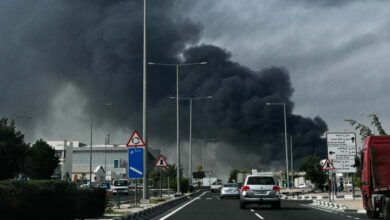
On Sunday, the government of the Kurdistan Region of Iraq announced the suspension of production in oil and gas fields, refineries, and energy facilities in the region due to ongoing attacks and the lack of oil available for export.
The announcement came in a statement issued by the region’s Ministry of Natural Resources in response to remarks by the Iraqi Ministry of Oil stating that Erbil had refused to export Iraqi oil through the pipeline leading to the Turkish port of Ceyhan.
The ministry accused the Iraqi government of failing to deter attacks on the region, claiming that “a large proportion of those involved in these attacks receive their salaries, weapons, and financial support from Baghdad.”
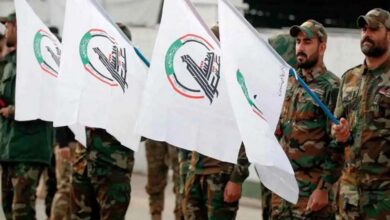
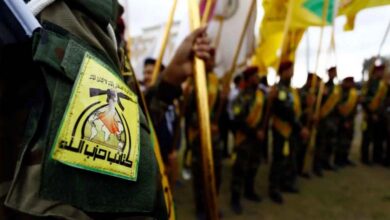
These attacks have been claimed by Saraya Awliya al-Dam, an Iraqi Shiite faction aligned with Tehran, which says it targets American interests in response to what it describes as the ongoing aggression against Iran.
Since February 28, Israel and the United States have carried out attacks against Iran that have killed at least 1,332 people, including 202 children, 223 women, and the Supreme Leader Ali Khamenei, in addition to more than 15,000 wounded and widespread destruction.
Tehran has responded by launching missiles and drones toward Israel, resulting in the deaths of at least 14 people and injuries to 3,369 others, in addition to other attacks that have killed and wounded American military personnel.
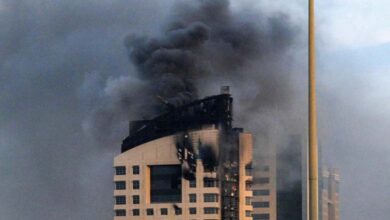
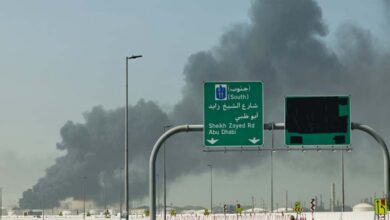
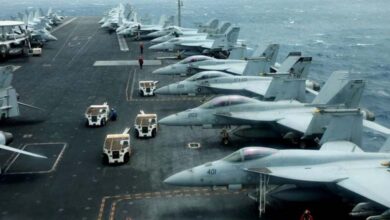
Iran has also launched attacks against what it claims are American bases and interests in the six Gulf Cooperation Council countries, as well as in Iraq and Jordan. Some of these attacks have caused casualties and damage to civilian facilities, which has been condemned by the targeted Arab countries, who have called for an end to the assaults.
Iran is facing these attacks despite progress made in negotiations with the United States over its nuclear program, according to the Omani mediator. This is the second time Israel has overturned the negotiating table, the first leading to the outbreak of the June 2025 war.