Is peanut butter a safe source of protein?
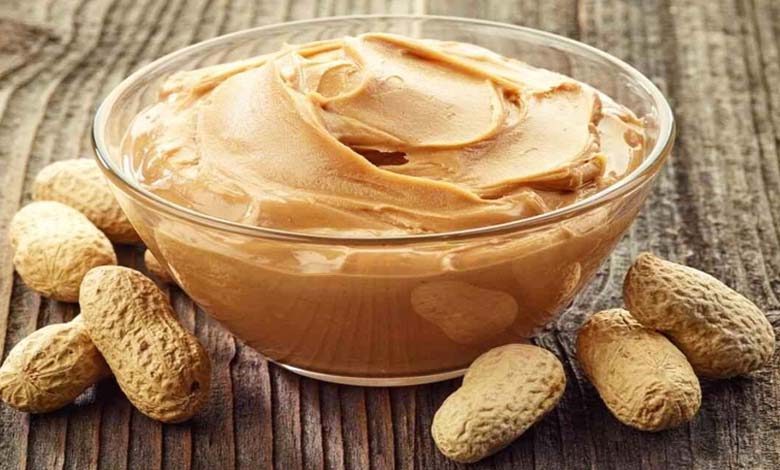
Peanut butter has become a familiar staple in many households around the world. It is used on sandwiches, blended into smoothies, added to sauces, and sometimes included in snacks for active people. Yet a common question remains: is peanut butter truly a safe and reliable source of protein?
To answer this, it is helpful to look closely at its nutritional profile, its benefits, its limits, and how it should be included in a healthy diet.
Nutritional composition
Peanut butter is naturally rich in nutrients. Two tablespoons usually provide about 7 to 8 grams of plant-based protein, along with fats, fiber, vitamins, and minerals. For people who reduce their intake of meat or choose more plant foods, this contribution can be valuable.
Most of the fat found in peanut butter is unsaturated, which is generally considered more favorable for heart health when consumed in reasonable amounts.
Micronutrients and health benefits
Peanut butter contains magnesium, vitamin E, potassium, and several antioxidants. These nutrients support muscle function, nerve activity, immune defenses, and overall well-being.
It also contains dietary fiber, which may help digestion and increase fullness, making it easier to avoid unnecessary snacking between meals.
Is peanut butter a complete protein?
Even though peanut butter provides protein, it is not a complete protein on its own. It does not supply all essential amino acids in ideal proportions. This does not make it unhealthy; it simply means that peanut butter should be combined with other foods such as whole grains, dairy or plant alternatives, legumes, eggs, or lean meats to build a balanced intake.
Safety considerations
For most people, peanut butter is safe when eaten in moderate quantities. However, there are a few important considerations.
The first is peanut allergy. For individuals allergic to peanuts, even a small amount can trigger serious reactions. In such cases, peanut butter is not safe and must be strictly avoided.
The second is product quality. Some commercial peanut butters contain added sugar, excessive salt, or hydrogenated oils. Choosing natural versions with mainly peanuts, and minimal additives, is usually a better option.
The third is calorie density. Peanut butter packs a lot of energy in a small serving. This is not inherently harmful, but moderation matters. It is best included as part of a varied diet rather than eaten in large quantities.
Can it replace all other protein sources?
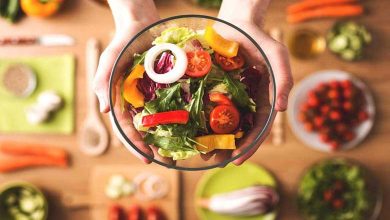
Peanut butter can support daily protein intake, but it should not replace all other sources. A healthy pattern emphasizes variety: beans, lentils, fish, eggs, dairy or alternatives, nuts, seeds, and lean meats. Together, these foods provide the full range of essential amino acids and other nutrients.
Conclusion
Peanut butter can be considered a useful and generally safe source of protein. When chosen carefully, consumed in moderate portions, and combined with other nutritious foods, it fits well into a balanced lifestyle.
It is not a miracle food, but it can be a practical and enjoyable part of everyday meals when used thoughtfully.