Operation behind enemy lines: a U.S. plan to take control of Iran’s nuclear material
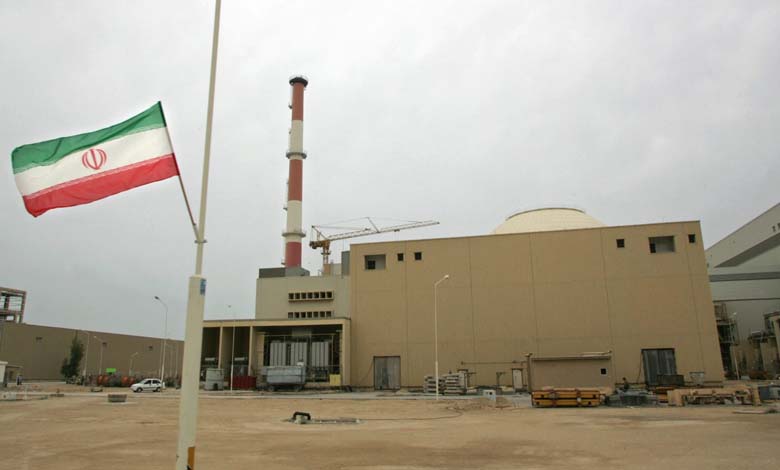
Iran’s nuclear stockpile has become one of the main American targets in the war, which has now entered its ninth day.
According to the website Axios, Washington is considering sending special forces to seize Iran’s nuclear stockpile. The United States and Israel have discussed deploying special forces to Iran to secure its stock of highly enriched uranium at a later stage of the war, according to four sources familiar with the discussions.
-
Pekaks: The Mountain Hiding Iran’s Nuclear Bomb
-
Sources Reveal Shocking Pentagon Intelligence Report on Iran’s Nuclear Program
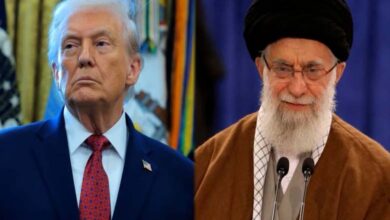
Preventing Iran from obtaining a nuclear weapon is one of the war objectives declared by President Trump. In this context, the regime’s stockpile of uranium enriched to 60 percent — estimated at 450 kilograms and capable of being converted into weapons-grade uranium within weeks — represents a key element in achieving this goal.
Any operation aimed at seizing the material would likely require American or Israeli forces to operate on Iranian territory, moving through heavily fortified underground facilities during wartime.
It remains unclear whether the mission would be carried out by the United States, by Israel, or jointly by both countries.
-
Trump announces destruction of Iran’s nuclear capabilities in a series of US strikes
-
Limited Strike with Reduced U.S. Support: New Israeli Plan to Cripple Iran’s Nuclear Program
Such an operation would likely only take place once both countries are confident that the Iranian military is no longer capable of posing a serious threat to the forces involved.
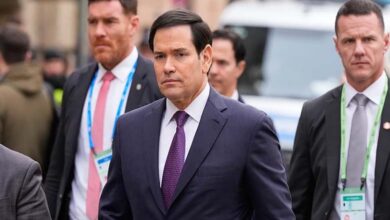
During a congressional briefing on Tuesday, Secretary of State Marco Rubio was asked whether Iran’s enriched uranium would be secured. He replied: “Someone will have to go in and get it,” without specifying who would do so.
An Israeli defense official said that Trump and his team were seriously considering sending special operations units into Iran for specific missions.
-
“More for More”… Can It Unlock Iran’s Nuclear Code?
-
The United States will sanction more than two dozen people and entities about Iran’s nuclear
A U.S. official said the administration had discussed two options: removing the material entirely from Iran or bringing in nuclear experts to dilute it on site.
The mission would likely include special forces alongside scientists, and possibly personnel from the International Atomic Energy Agency.
Two sources familiar with the matter said such operations had been included among the options presented to Trump before the war began.
-
Iran’s Nuclear Program Surpasses the Threshold of Military Resolution: Uranium at a Dangerous Level
-
Iran’s Nuclear Program Under the Midnight Hammer
NBC News reported on Friday that Trump had discussed the idea of deploying a small U.S. military force in Iran for specific strategic purposes.
According to a U.S. official, the operational challenge of securing Iran’s uranium is summarized by two questions: “The first question is where it is. The second is how we reach it and how we physically take control of it.”
He added: “After that, the decision will be up to the president, the Department of Defense, and the CIA on whether we want to actually move it or dilute it on site.”
-
Nuclear Negotiations: U.S. Red Lines and Iran’s Firm Response
-
Iran’s Nuclear Program Back in the Spotlight… and Trump Seeks Political Breakthrough
On Saturday, Trump told reporters aboard the presidential aircraft that sending ground forces was possible, but only “for a very good reason.”
He added: “If we do that, they [the Iranians] will be destroyed to the point that they will not be able to fight on the ground.”
When asked specifically whether forces might be sent to secure nuclear materials, Trump did not rule out the possibility. He said: “Maybe we will do that at some point. We haven’t done it yet. We’re not going to do it now. Maybe we’ll do it later.”
-
“Iran’s Nuclear Program”: IAEA Condemnation and Tehran’s Response
-
France Says Iran’s Space Launch ‘Regrettable’ amid Nuclear Deal Talks
White House press secretary Karoline Leavitt told Axios that Trump “wisely keeps all options open and rules nothing out.”
In addition to the uranium, administration officials also told Axios that the possibility of seizing Kharg Island had been discussed. The island is a strategic facility responsible for about 90 percent of Iran’s crude oil exports.
The U.S.-Israeli strikes on Iranian nuclear facilities last June buried Iran’s uranium stockpile under rubble. U.S. and Israeli officials say that even the Iranians themselves have been unable to access it since then.
-
Iran’s Nuclear Program Has Crossed ‘All Red Lines’, Says Israel PM
-
Trump studies Iran’s future after the war and keeps an eye on Khamenei’s successor
The strikes also destroyed almost all Iranian centrifuges.
According to American and Israeli officials, most of the stockpile is located in underground tunnels at the Isfahan nuclear facility, while the remainder is divided between Fordo and Natanz.
During the early days of the war, the United States and Israel carried out strikes on Natanz and Isfahan that appeared aimed at sealing the entrances, likely to prevent any transfer of nuclear material.
The United States and Israel view Iran’s 450 kilograms of uranium enriched to 60 percent as a serious threat, since enriching it to weapons-grade level would take only a few weeks.
If the entire stock reached a purity level of 90 percent, it would be sufficient to produce 11 nuclear bombs.
-
Tehran confirms while Grossi denies targeting of Iranian nuclear sites
-
Missiles Outside Iran Nuclear Talks: Israel Prepares for Any Incomplete Agreement
-
Iran Offers Nuclear Concessions and Sets Condition for Any Agreement