Pezeshkian moves to rein in media rhetoric toward neighboring countries
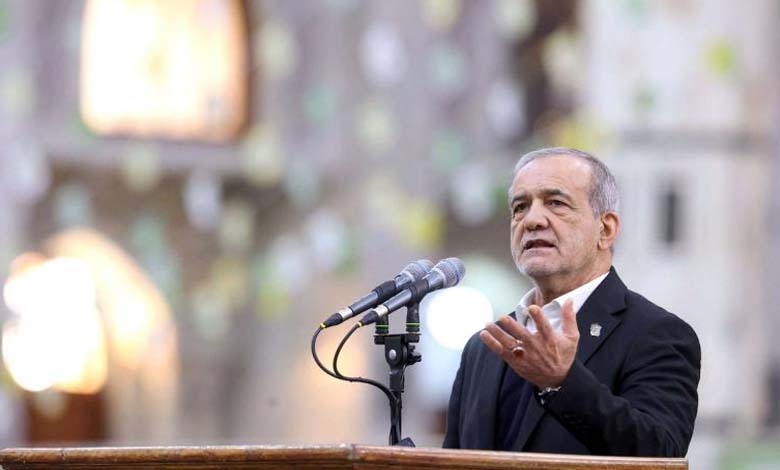
The Iranian president’s directives and warnings to the media aim to project the image of an “Iran as a partner” rather than a “confrontational Iran,” a reassurance message addressed to neighboring states and the West alike.
Iranian President Massoud Pezeshkian issued a stern warning on Sunday to local media outlets, urging them to fully refrain from “insulting or disparaging the leaders and officials of neighboring countries.” The move reflects Tehran’s desire to adopt a more flexible and calm diplomatic approach.
-
Masoud Pezeshkian denies neighboring countries’ complicity with Israel
-
Pezeshkian Warns Trump against War with Iran
This presidential directive, delivered during a cabinet meeting on Sunday, goes beyond a mere regulatory measure targeting the media. It forms part of a broader Iranian strategy aimed at repairing regional relations and avoiding escalation at a particularly sensitive juncture.
In his remarks, reported by the official news agency IRNA, Pezeshkian stressed that Iran’s stability is closely tied to positive relations with its geographical surroundings. He clearly indicated that countries in the region, especially those bordering Iran, play a pivotal role in preventing the outbreak of a full-scale war and are actively seeking to resolve crises through dialogue.
-
Options for striking Iran on Trump’s table: the trigger awaits the green light
-
Dawn Executions in Iran: Six Alleged Israeli Agents Put to Death
The president’s warning was not limited to media institutions alone but also extended to government officials, whom he urged to exercise extreme caution in their statements and to avoid any language that could harm shared interests or provoke neighboring capitals. This approach aligns with Pezeshkian’s efforts to present an image of “Iran as a partner” rather than “Iran as a confrontational actor,” a reassurance message directed both domestically and internationally.
Alongside his call for media restraint, Pezeshkian linked regional stability to ongoing diplomatic efforts, describing the indirect negotiations between Tehran and Washington in the Omani capital, Muscat, as the result of initiatives by “friendly regional countries.” This statement underscores the vital role played by neighboring states in mediation and helps explain the Iranian president’s determination to shield these relationships from any media noise that could undermine such efforts.
-
Hours before sanctions… Iran protests against Europe’s snapback mechanism and recalls its ambassadors
-
Adulterated Fuel Halts Iran’s President’s Trip… and a Taxi Saves the Day
The latest round of Muscat talks comes at a time of increasing U.S. military buildup in the region, amid Iranian concerns over attempts by Washington and Tel Aviv to manufacture pretexts for military intervention or to target the regime. Tehran continues to insist on the lifting of economic sanctions in exchange for curbing its nuclear program, while the United States demands a complete halt to enrichment activities and the removal of highly enriched uranium from the country.
Observers believe that Pezeshkian’s call to discipline media rhetoric serves three main objectives: isolating Israel regionally by improving relations with Arab and Muslim countries and reducing the prospects of forming regional alliances against Iran; supporting mediation efforts by safeguarding the role of Oman and other regional mediators through the demonstration of official and media “goodwill”; and reinforcing internal cohesion by steering the media toward a unified national discourse that serves the state’s diplomatic agenda in the face of Western sanctions.
-
Sanctions: Can Iran Survive Through a Last-Minute Solution?
-
Iranian President Approves Suspension of Cooperation with IAEA
Through these directives and warnings, Massoud Pezeshkian elevates “neighborhood diplomacy” to a top priority in confronting international pressure. As military threats loom on the horizon, Tehran is opting, at least at the level of presidential rhetoric, for a language of de-escalation and mutual respect, in an effort to defuse crises and secure its regional front ahead of any potential confrontation.
-
Iran Holds Official Funerals for Military Commanders and Scientists Killed in Israeli Strikes
-
The “Right-Hand Man” of Iran’s President… Zarif Confirms His Resignation and Reveals the Reasons