Power struggle between the Sudanese army and the Muslim Brotherhood: rising political tensions
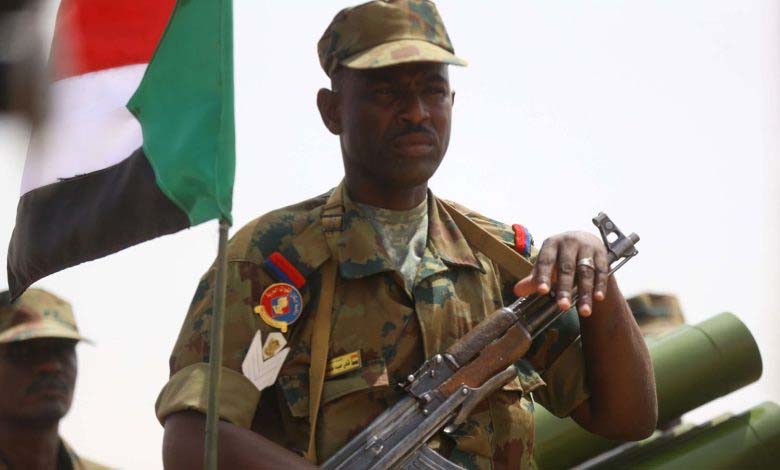
In Sudan, military and political forces are intertwined in an ongoing struggle for influence and power, amid persistent political instability. In this context, the growing influence of the Muslim Brotherhood over certain military decisions has come to the forefront, generating widespread discontent among political and civilian forces, particularly with regard to policies related to national dialogue and ceasefire efforts. This conflict goes beyond a mere contest for positions of authority and reflects deep-seated contradictions between the visions of political actors concerning Sudan’s future.
-
Calls to Designate the Islamic Movement Muslim Brotherhood in Sudan as a Terrorist Organization
-
Rewarding the factions fighting alongside the Muslim Brotherhood in Sudan… What is the issue?
Muslim Brotherhood influence over military decisions: political discontent
In recent months, the Sudanese political scene has witnessed escalating tensions due to what political forces have described as “Brotherhood interference in military decision-making.” Observers note that army leaders are reportedly under pressure from the Islamist organization to adhere to specific political agendas, thereby obstructing any meaningful attempts at national consensus. Civilian forces view this behavior as a serious threat to democracy, as it has undermined dialogue efforts among various stakeholders and hindered ceasefire initiatives.
The Brotherhood’s rejection of dialogue and ceasefire efforts
One of the key factors fueling tensions is the Muslim Brotherhood’s refusal to engage in comprehensive dialogue with both civilian and armed groups. This stance has not only disrupted the political process but has also compelled some military leaders to adopt a similar approach, resulting in the suspension of initiatives aimed at achieving even temporary political stability.
-
Killing Civilians and Looting Aid: Crimes Committed by the Army and the Muslim Brotherhood in Sudan
-
The Muslim Brotherhood in Sudan Seeks to Return to the Scene Through International Conferences… Details
Reduction of Democratic Bloc representation: a controversial move
In a step described as “marginalizing civilian forces,” Sudanese army chief Abdel Fattah al-Burhan reduced the representation of the Democratic Bloc in the Legislative Council and the forthcoming government. This move sparked widespread dissatisfaction, as the Democratic Bloc perceived its political influence to have been deliberately diminished. Al-Burhan, however, argues that the bloc’s political role is limited and that maintaining its representation would not serve national stability.
Minni Minawi’s escalation: confrontation with the army
In response, Minni Minawi, leader of an armed movement in Darfur, rejected the decision and initiated a series of escalatory actions against the military leadership. These measures ranged from inflammatory statements to mobilizing pressure among his support base, reflecting the deep divisions within both Sudan’s armed and civilian spheres.
-
Amidst the Crimes of the Muslim Brotherhood in Sudan… The ICC Demands the Disclosure of Bashir and Haroun’s Whereabouts
-
Reasons to classify the Muslim Brotherhood in Sudan as a “terrorist group”
Democratic Bloc efforts to curb influence
Meanwhile, the Democratic Bloc moved to contain the influence of field figures such as Minni Minawi and Jibril Ibrahim, acting at the behest of al-Burhan and senior military leaders. These efforts focused on reorganizing political forces and clearly defining the roles of legislative councils, in an attempt to regain control of the situation before it deteriorated further.
Implications of the conflict for the political process
These developments raise serious questions about Sudan’s political future. The army appears to be seeking a balance between civilian and armed actors, while the Muslim Brotherhood strives to maintain its political leverage. In this context, any comprehensive solution has become increasingly complex, as personal interests intersect with regional and historical divisions, making a long-term settlement difficult to achieve.
-
The Brotherhood in Sudan return to the scene… Under the watchful eye and ear of the army!
-
Among them is an intelligence officer.. Arrest of Brotherhood in Sudan
The current Sudanese landscape makes it evident that the conflict between the army and the Muslim Brotherhood, reinforced by the divergent positions of the Democratic Bloc and Minni Minawi, poses a direct threat to state stability. The optimal path forward may lie in strengthening national dialogue, dismantling the political influence of dominant organizations, and empowering civilian forces to play a genuine role in decision-making. Nevertheless, the road ahead remains fraught with challenges, and any misstep could further escalate an already volatile situation.
-
Experts reveal the hidden factors behind the prolongation of the Sudan conflict… what is the role of the Muslim Brotherhood?
-
Talha between Release and Impunity… Egypt Opens the Door to the Brotherhood Danger in Sudan