Red Yeast Rice: A Natural Statin That Helps Lower Cholesterol
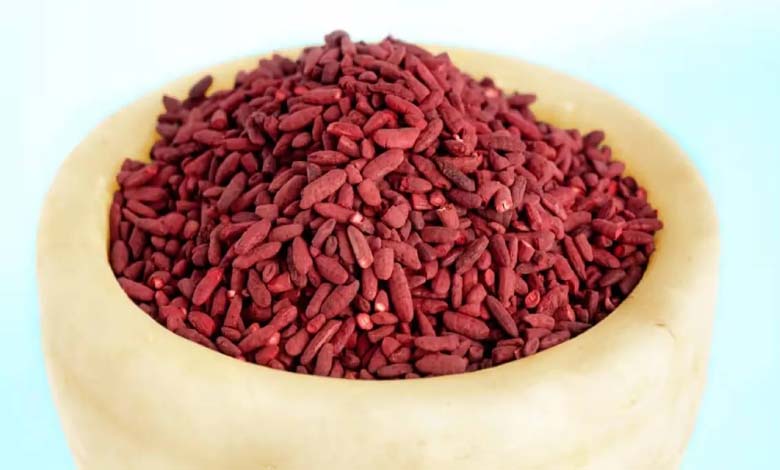
High cholesterol is one of the major risk factors for cardiovascular diseases, including atherosclerosis, heart attacks, and strokes. In response to this global public health concern, scientific research is increasingly exploring natural alternatives that may help regulate blood lipid levels. Among these options, red yeast rice has attracted growing attention because of its cholesterol-lowering properties.
Used for centuries in traditional Asian medicine, red yeast rice is now being studied by modern science for its effects on lipid metabolism. It is often described as a “natural statin” because of its ability to help reduce blood cholesterol levels.
-
Reheating rice: does it pose a risk of food poisoning?
-
Climate Change Could Make Rice More Toxic: A Global Health Concern
Origin and composition of red yeast rice
Red yeast rice is produced by fermenting white rice with a microscopic yeast known as Monascus purpureus. This fermentation process generates several bioactive compounds, particularly monacolins, substances capable of influencing cholesterol synthesis in the body.
Monacolin K is the most studied compound found in red yeast rice. Its chemical structure is similar to certain pharmaceutical statins, which are widely prescribed medications used to reduce cholesterol levels. This similarity explains the strong scientific and medical interest in this natural product.
-
Chinese Red Yeast Rice: The Asian Secret to Heart Health Lies in Its Fermentation
-
Which Type of Rice Is Best Suited for Your Diet?
Mechanism of action on cholesterol
Cholesterol is partly obtained through diet and partly produced by the liver. An enzyme known as HMG-CoA reductase plays a central role in cholesterol synthesis within the body.
Monacolin K present in red yeast rice works by partially inhibiting this enzyme, thereby reducing cholesterol production in the liver. This mechanism may help lower levels of LDL cholesterol, often referred to as “bad cholesterol,” while improving overall lipid balance.
Several clinical studies have shown that controlled consumption of red yeast rice can significantly reduce LDL cholesterol levels in individuals with moderate hypercholesterolemia.
Potential benefits for cardiovascular health
By reducing LDL cholesterol levels, red yeast rice may help decrease the formation of plaques in the arteries. These lipid deposits can narrow blood vessels and increase the risk of cardiovascular disease.
Additionally, some compounds in red yeast rice possess antioxidant and anti-inflammatory properties, which may also contribute to protecting the cardiovascular system.
-
How to Increase Fiber Intake Without Experiencing Bloating
-
How Fat Loss Affects Blood Pressure and the Immune System
Limitations and precautions
Despite its potential benefits, red yeast rice should not be considered a universal substitute for medical treatment. Like pharmaceutical statins, it may cause side effects in some individuals, including muscle pain or digestive discomfort.
The concentration of monacolin K can vary widely among commercially available products, making it important to select high-quality supplements and consult a healthcare professional before long-term use.
Furthermore, pregnant women, individuals with liver disease, or those already taking statin medications should avoid or use red yeast rice cautiously under medical supervision.
-
Adjusting Diet After 45: A Strategic Lever for Longevity
-
How Fatigue Drives You Toward Foods That Accelerate Aging: Mechanisms and Implications
The importance of a healthy lifestyle
Red yeast rice may serve as a complementary tool in cholesterol management, but it cannot replace heart-healthy lifestyle habits. A balanced diet rich in fiber, fruits, vegetables, and unsaturated fats remains essential for maintaining a healthy lipid profile.
Regular physical activity, stress reduction, and smoking cessation also play crucial roles in improving cardiovascular health and lowering risks associated with high cholesterol.
-
Seven Nuts Rich in Healthy Fats That Protect Your Heart
-
Does Physical Fitness Really Reduce Anger Episodes by 75%? Scientific Analysis and Psychophysiological Implications
Red yeast rice represents a promising natural option for helping reduce cholesterol levels, largely due to the presence of monacolin K, a compound that acts similarly to statins. However, its use should be approached cautiously and integrated into a comprehensive cardiovascular prevention strategy that includes balanced nutrition, an active lifestyle, and appropriate medical supervision.
Ongoing scientific research continues to explore the benefits and limitations of this natural substance in order to better understand its role in cholesterol management and cardiovascular disease prevention.
-
What Happens to Your Body When You Drink Coconut Water Daily?
-
When Fasting Becomes a Golden Opportunity for Your Health