Reheating rice: does it pose a risk of food poisoning?
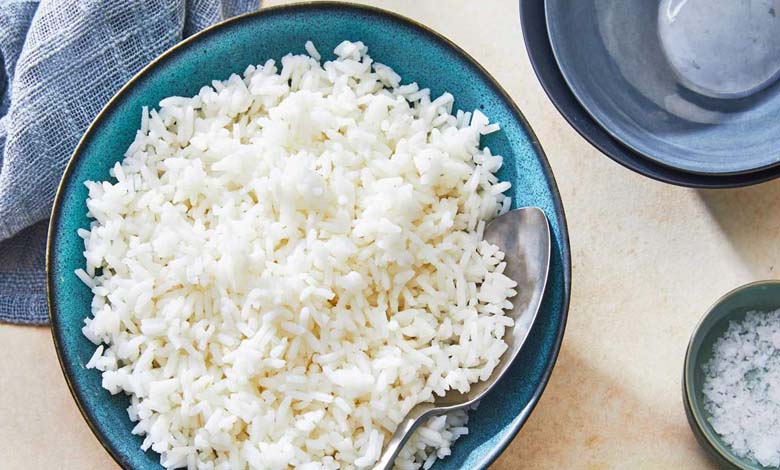
Rice is a staple food in many cultures worldwide, valued for its versatility, nutritional content, and ease of preparation. However, a recurring question in domestic kitchens and restaurants is whether reheating cooked rice can cause food poisoning. The answer is nuanced and depends on microbiological considerations as well as proper storage and reheating practices.
-
Chinese Red Yeast Rice: The Asian Secret to Heart Health Lies in Its Fermentation
-
Which Type of Rice Is Best Suited for Your Diet?
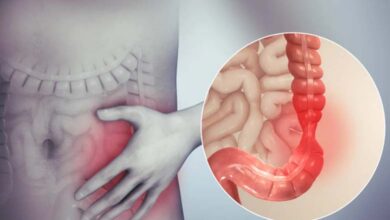
The primary risk associated with reheated rice is contamination by the bacterium Bacillus cereus. This bacterium, naturally present in the environment, can produce spores that survive cooking. These spores can germinate when cooked rice is left at room temperature, allowing rapid bacterial growth and the production of heat-resistant toxins. Once ingested, these toxins can cause gastrointestinal symptoms such as nausea, vomiting, and diarrhea, often within a few hours of consumption.
It is important to note that the danger does not lie in the rice itself but in how it is handled after cooking. Leaving cooked rice at room temperature for several hours promotes the proliferation of Bacillus cereus. Likewise, insufficient reheating may not destroy the toxins already present, meaning that even rice reheated in a microwave or on a stove can still pose a risk if it was improperly stored initially.
-
Rice, Quinoa, or Pasta… Which carbohydrates are best for your health?
-
Why do we crave sweet foods at breakfast?
To minimize this risk, several precautions are essential. First, cooked rice should be cooled rapidly after preparation. The best practice is to transfer it to a shallow container and refrigerate it within an hour. Second, refrigerated rice should ideally be consumed within one to two days. Finally, when reheating, the rice must reach a sufficiently high temperature throughout to reduce the risk of contamination, although the toxins produced by Bacillus cereus are heat-resistant.
In addition to microbiological factors, hygienic handling is crucial. Using clean utensils, washing hands regularly, and storing rice under appropriate conditions are essential to prevent bacterial growth. In restaurants, health authorities emphasize the importance of not leaving cooked rice at room temperature for extended periods and maintaining a strict cold chain until serving.
-
How to strengthen your immune system during winter
-
5 Things You Should Know Before Buying Dietary Supplements
It should also be noted that the risk is not limited to adults. Children, the elderly, and immunocompromised individuals are particularly susceptible to foodborne illness and must exercise extra caution when consuming reheated rice. Awareness of these practices and risks is critical to limiting cases of food poisoning, which are often underestimated but widespread worldwide.
In conclusion, reheating rice is not inherently dangerous, but the storage and handling conditions after cooking determine the real risk. Paying attention to rapid cooling, proper refrigeration duration, and thorough reheating allows cooked rice to be consumed safely. Understanding the microbiology of Bacillus cereus and adopting appropriate food safety practices is the most effective way to prevent foodborne illness and maintain rice as a nutritious and safe staple in the daily diet.
-
Foods that may worsen the flu: what you should know
-
Eggs cause cancer: a controversial medical report sparks debate in India
-
Broccoli in winter: how this vegetable can help you manage your weight
-
Standing on One Leg: A Simple Exercise to Strengthen Your Brain